Istanbul is a city of waterways, historic landmarks, lively streets, and neighborhoods with distinct moods. A long weekend can introduce several sides of the city, but it helps to group activities and avoid treating both shores as one compact sightseeing area. A good base and realistic daily plan make a big difference.
Choose a convenient base
Sultanahmet is close to several major historic sites. Beyoğlu and Karaköy offer restaurants, shops, and access to waterfront routes. Kadıköy provides a neighborhood feel on the Asian side. Compare transit connections and the route from the airport or ferry terminal. For a rental, verify the address, building access, stairs, noise, and check-in details.
Visit respectfully
At religious sites, follow posted visitor guidance and be considerate of people who are there to worship. Ask before photographing individuals, keep valuables secure in crowded areas, and respect residential lanes. A well-located rental gives you a calmer place to return to after a busy day.
Istanbul is easier to enjoy when you leave space for a meal and an unplanned walk. Choose a few experiences that matter most, check current transport information, and let the city’s scale set a comfortable pace.
Use one day for the historic peninsula, choosing a small number of sites and checking official visitor information for hours and tickets. On another day, walk through a neighborhood and take a ferry ride; the crossing can be a pleasant part of the day rather than just a transfer. Keep your final day flexible for a market, museum, or café stop.
Public transport and ferries can save time, but routes and payment details may change. Confirm them close to your visit and allow time to find terminals and transfer. Wear comfortable shoes for hills and uneven streets. Plan your route back before an evening out.
Choose a district for your first stay
Istanbul spans two continents and many districts, so choosing a convenient base can make a short visit much easier. Sultanahmet places major historic sights nearby, while Karaköy and Galata offer cafés, waterfront access, and connections across the Golden Horn. Beyoğlu has a lively urban feel, and Kadıköy on the Asian side offers a different local rhythm. Compare the exact location with the places you want to visit and the amount of walking you are comfortable with.
Check the route to the nearest tram, metro, or ferry stop, including hills and stairs. Confirm whether the building has a lift, how late check-in works, and whether street noise is likely. If you are arriving with luggage, arrange the final transfer in advance and save the accommodation address. A central-looking map pin may still require a long climb through narrow streets.
Plan historic sights without rushing
A first day can focus on the historic peninsula, grouping nearby landmarks and allowing time for queues, courtyards, and breaks. Check current opening hours, dress expectations, ticket rules, and visitor guidance directly before you go. Choose a second day for areas across the Golden Horn or a ferry journey rather than attempting to cover the entire city in one loop.
Some sites are active places of worship as well as heritage destinations. Follow posted rules, be respectful during prayer times, and dress appropriately. Avoid taking photographs where prohibited and keep voices low. If you hire a guide, agree on the route, duration, and price in advance, and choose a provider with clear credentials or trusted recommendations.
Use ferries and transit as part of the experience
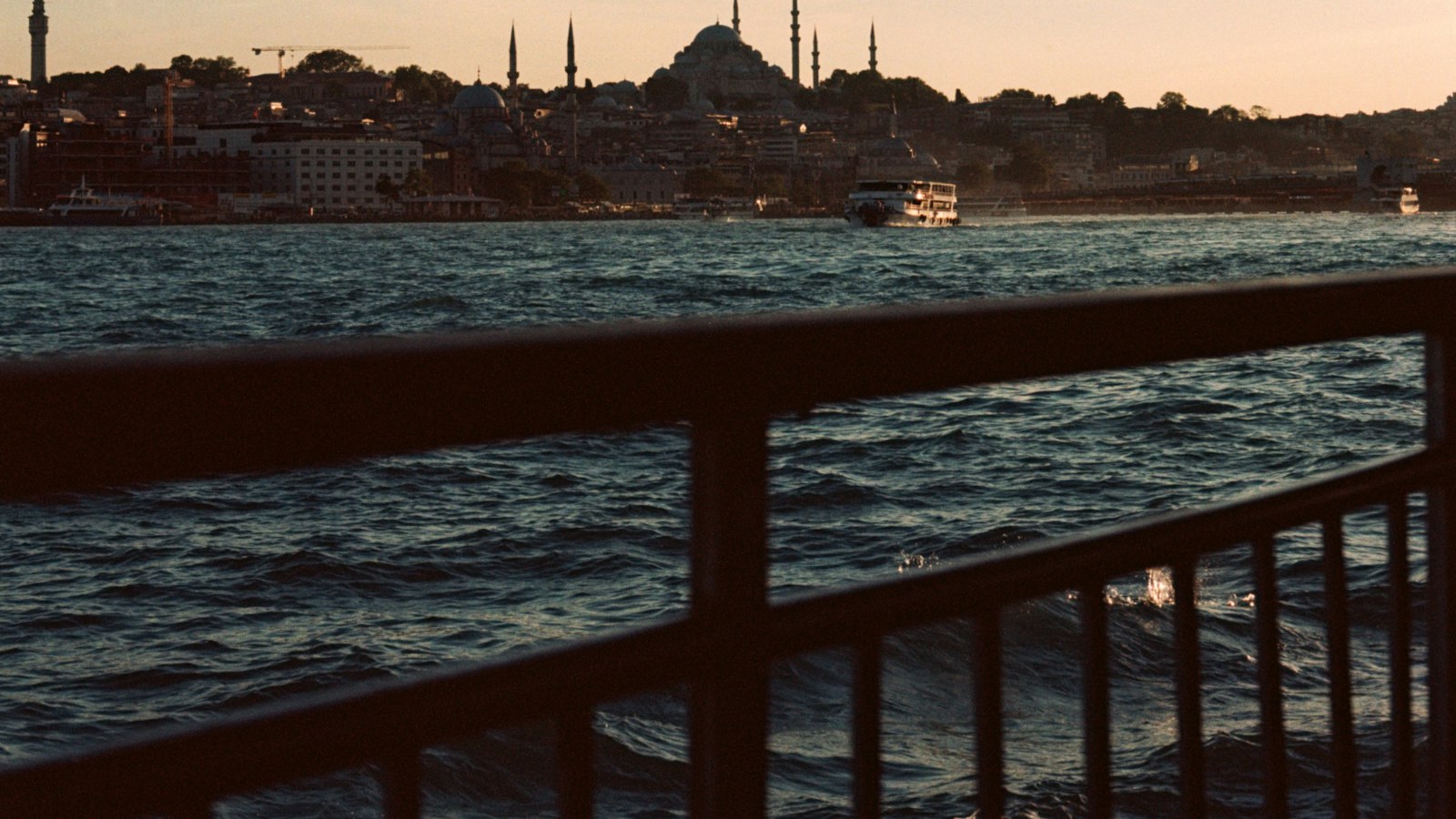
Istanbul’s tram, metro, buses, and ferries can make cross-city travel easier, but service and payment details may change. Check current routes and fares with the local operator. Ferries can offer an enjoyable way to cross the Bosphorus, but confirm the terminal and return schedule. Do not rely on a final departure if you have a time-sensitive flight or reservation.
Allow time to reach the right platform or pier, especially when traveling with luggage or during busy periods. A ride may cover only part of the trip; hills and long station connections add walking time. Save the address of your accommodation in a readable form and keep an offline map. For a late evening return, know your transport option before leaving.
Explore food and neighborhoods thoughtfully
The city’s food culture ranges from quick breakfasts and street snacks to long meals by the water. Try local specialties in areas you are already visiting rather than crossing town for every meal. Check restaurant opening hours, menus, and reservation needs. If you have allergies, ask directly about ingredients and preparation, since dishes and kitchens vary.
A market is a working place as well as a visitor attraction. Keep pathways clear, ask before photographing vendors, and compare goods before buying. Neighborhood walks in Kadıköy, Balat, or other districts can be interesting, but check current access and plan how you will return. Take time to sit and observe rather than treating each area as a checklist.
Prepare for a busy, layered city
Istanbul can be crowded, especially around major sights and transport hubs. Keep valuables secure, agree on a group meeting point, and use well-lit routes at night. Be cautious about unsolicited offers for tours or help; verify details through your accommodation or an official provider. A calm, clear plan makes it easier to navigate street vendors, busy crossings, and changing routes.
Weather changes by season and can affect walking comfort. Comfortable shoes are important for cobbles and hills, while a light layer can help on a breezy ferry. Check local weather and transit information close to the day. If rain or crowds slow the schedule, shorten the list rather than sacrificing time for meals and rest.
Book a stay that reduces daily friction
A short trip benefits from reliable transit access, a clear check-in process, and a comfortable place to sleep. Check the property’s stairs, lift, bathroom setup, air conditioning or heating, and noise. Ask whether breakfast or a kitchen is available and how far you need to walk with luggage. If you plan a ferry commute, check the route from the accommodation to the pier.
Compare the full stay price and cancellation policy. Verify guest limits and house rules, and keep communication on the booking platform. For your planning, see our rental selection guide and three-day itinerary tips.
Common questions about a long weekend
How many days are enough? Three full days can introduce the historic peninsula, a cross-water trip, and one or two neighborhoods, but it will not cover the whole city. Is it better to stay in Sultanahmet or Beyoğlu? Choose based on your priorities, transit access, and evening pace. Should you book every attraction? Reserve essential timed visits and leave open time for ferries and meals.
Do you need a guide? A guide can provide context at major sites, but independent visits work well with preparation. Can you cross between districts easily? Many routes are straightforward, though transfers and hills add time. Use our flexible itinerary guide to plan a realistic day.
A practical three-day rhythm
On the first day, stay near your accommodation and explore the district around it before adding a major sight. Use the second day for the historic peninsula and book only the visits that matter most to you. On the third day, cross the Golden Horn or take a ferry to another area, leaving enough time for the return route. This arrangement keeps long transfers from crowding every day.
Check opening times and transport service each morning. If a mosque, museum, or palace is closed or unusually busy, move to a nearby walk or meal instead of losing time crossing the city. Carry water and wear shoes suited to hills and cobbled streets. A flexible sequence helps you see more while keeping time for rest and food.