Vancouver is rewarding when the schedule balances city life with time outdoors. Choose a few priorities, keep a flexible weather plan, and give the parks and waterfront enough time to enjoy them.
Find the right neighborhood
For a longer stay, a kitchen and laundry can be useful. Confirm elevator access, check-in, street noise, and whether the property includes the amenities shown in the listing. If you plan to rent a car for mountain trips, ask about parking and compare the total cost with transit or organized excursions.
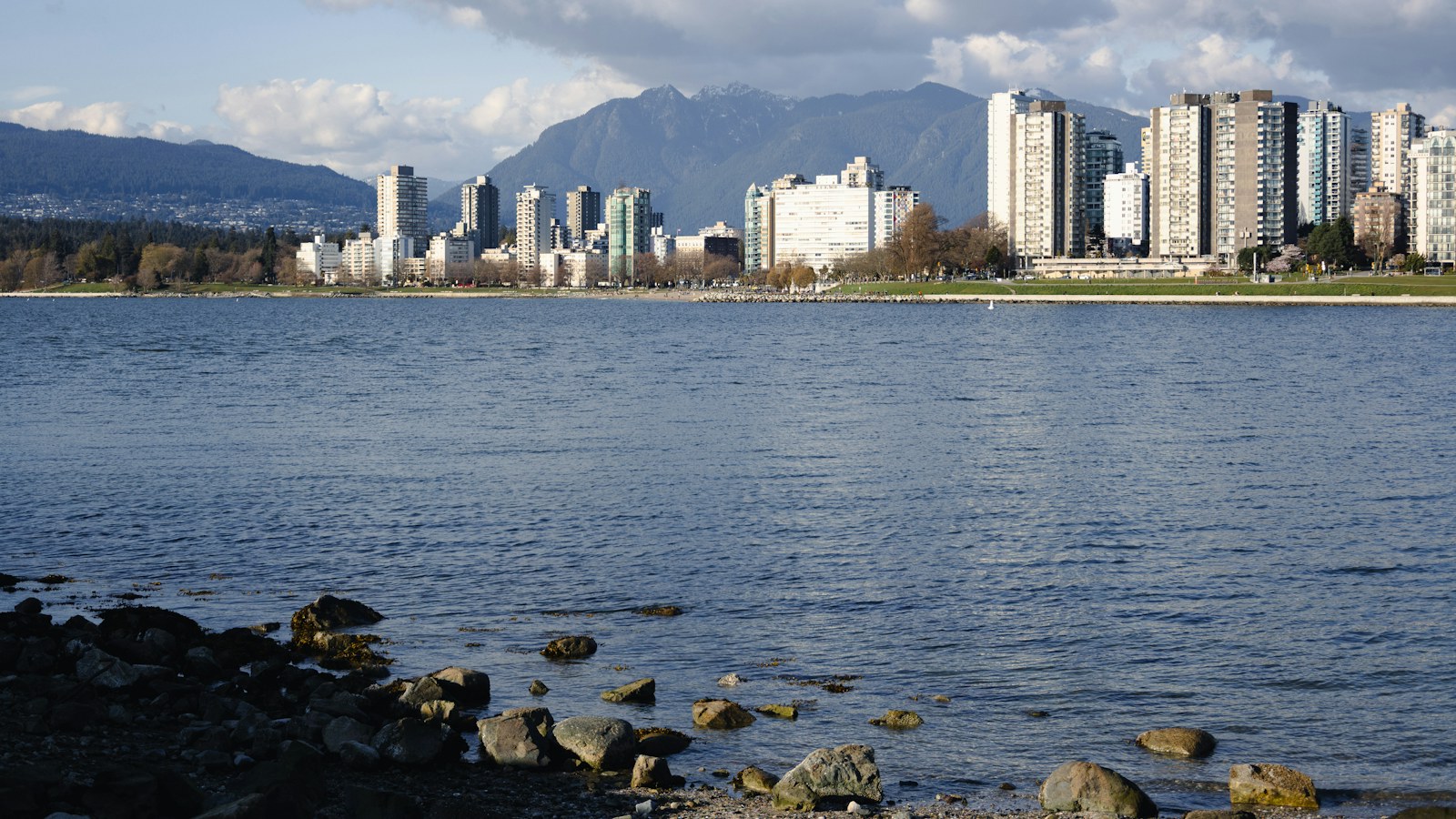
Downtown is convenient for transit, restaurants, and waterfront routes. The West End offers a residential feel near the seawall and beaches, while Kitsilano has cafés and a coastal neighborhood atmosphere. A quieter area farther out may be a good fit if transit is close. Check the exact address, late-night transport, parking, and current short-term rental requirements before booking.
Build a balanced itinerary
Spend one day on a waterfront walk and a major park, then use another to explore a neighborhood such as Granville Island or Kitsilano. If you plan a mountain outing, check current weather, visitor information, transport, and seasonal operations through official sources. Keep an indoor museum or café option ready for rainy weather.
Vancouver pairs a lively waterfront city with beaches, parks, and mountain views. The best itinerary balances those settings without trying to reach every corner in a single day. Choose a base near the activities you value, then leave room for weather and spontaneous walks.
Make the stay comfortable
Public transit works well for many city visits. Check current routes and fares, and use a taxi or rideshare if it better suits your group. Pack layers and rain protection because coastal weather can change. Respect park rules and residential quiet.
Choose a Vancouver neighborhood that fits your days
Vancouver’s core is compact compared with many large cities, but different neighborhoods offer different rhythms. Downtown works for transit, waterfront walks, and event access. West End is close to parks and the ocean; Kitsilano offers beaches and a residential feel; Mount Pleasant has cafés and independent shops; and North Vancouver can suit travelers who want easier access to outdoor areas. Compare each base with the locations you plan to visit.
Check the exact route from the accommodation to transit, grocery stores, and evening plans. A short distance may involve a steep hill or a bridge crossing. Confirm parking, elevator access, laundry, and whether street noise is likely. If you are visiting in summer, reserve a well-located stay early; demand can be higher during events and school holidays.
Plan a balanced city and nature itinerary
Vancouver works well when city activities and outdoor time are mixed rather than packed into a single day. Pair a morning near the waterfront with a neighborhood lunch, then choose one park or viewpoint. A separate day can focus on Stanley Park or a museum, depending on weather and interests. If you want to visit a nearby mountain area, check transport, lift operation, and current trail conditions before committing.
Leave time to enjoy the route, not just the destination. A long walk along the seawall can take more time than expected if you stop for views. If the forecast is rainy, choose an indoor attraction and save an outdoor activity for a clearer period. This flexible approach makes the trip more comfortable and reduces unnecessary travel across town.
Use transit and ferries carefully
Vancouver’s buses, SkyTrain, and SeaBus can connect major areas, but the best option depends on your destination. Check current routes, fares, and service changes with the transit operator. If you plan to use a regional ferry or shuttle, confirm the departure terminal, check-in time, and vehicle or luggage rules well ahead of travel.
For airport arrival, compare the transit route with a taxi or prearranged transfer based on luggage and check-in time. Do not schedule an important activity immediately after landing. Save the accommodation address offline and note the nearest transit stop. If you plan a day trip, check the final return time so you are not left with limited options.
Explore neighborhoods and local food
A neighborhood visit is more rewarding when you leave time for cafés, shops, and a relaxed meal. Granville Island can be busy, so consider arriving earlier and choosing a few areas to explore rather than trying to see every stall. Chinatown, Gastown, and Commercial Drive each have their own character; check current opening hours and local conditions before making a long detour.
If you have dietary restrictions, ask restaurants directly about ingredients and cross-contact. For popular venues, review reservation policies and expected wait times. Support local businesses and be considerate in residential areas. A short walk away from a main attraction can often reveal a calmer place to eat.
Plan for changing weather and outdoor safety
Vancouver’s weather can shift, and conditions in the mountains may differ from the city. Pack a waterproof layer, comfortable walking shoes, and warm clothing if your plans include higher elevations or evening waterfront walks. Check local advisories before hiking, biking, or visiting a beach. Stay on marked trails and follow signs around wildlife and water.
If a trail is closed or conditions are poor, choose a city park, museum, or indoor activity instead. Keep water and snacks with you on longer outings and tell someone your route if hiking. When visiting beaches, follow posted swimming guidance and be cautious with cold water and currents. A safe alternative can be just as enjoyable.
Select a stay for practical comfort
For a city break, a kitchen can help with breakfast while a central location can reduce daily transit time. Confirm the number of beds, cooling or heating, quiet hours, laundry, and building access. If parking is important, ask whether it is included and whether the vehicle size will fit. For outdoor trips, consider secure space for wet clothing or equipment.
Compare the full cost, including cleaning, taxes, and transportation. Read cancellation terms and guest rules carefully. Check in advance how to reach the property after an evening flight. Our rental checklist can help you compare practical details.
Questions for a first Vancouver visit
How many days are useful? Three or four days allow a first look at central neighborhoods, parks, and waterfront. Add time if you plan a mountain excursion or a ferry trip. Is a car needed? Not for many central itineraries, but it can help with destinations beyond the transit network. Compare parking costs and current transit options before deciding.
Which area makes a good base? Downtown suits many first visits, while West End, Kitsilano, and Mount Pleasant offer different trade-offs. Can you hike year-round? Conditions and access vary, so check current advisories and choose a route for your experience. Use our flexible itinerary guide to keep outdoor days adaptable.
A sample three-day plan
Use the first day to get oriented in Downtown, the waterfront, and a nearby neighborhood. On the second day, choose either Stanley Park and the West End or a museum-and-café route depending on weather. Save a third day for a mountain, ferry, or longer outdoor outing after checking current access and transport. This order keeps the first day simple and makes it easier to shift outdoor plans if conditions change.
If the forecast is rainy, move a museum visit earlier and leave the coastal walk for a clearer window. Keep one flexible meal period and avoid stacking a timed attraction with a long transfer. Check the transit route home before beginning an evening activity. A plan based on neighborhoods rather than individual landmarks reduces backtracking and leaves more time to enjoy the city.