Buenos Aires is a city of broad avenues, leafy plazas, cafés, bookstores, and neighborhoods with distinct personalities. The city is large, so a good visit begins with a base that makes your plans easy and a daily route that stays within one or two areas. Leave room for a long meal or an unhurried plaza walk.
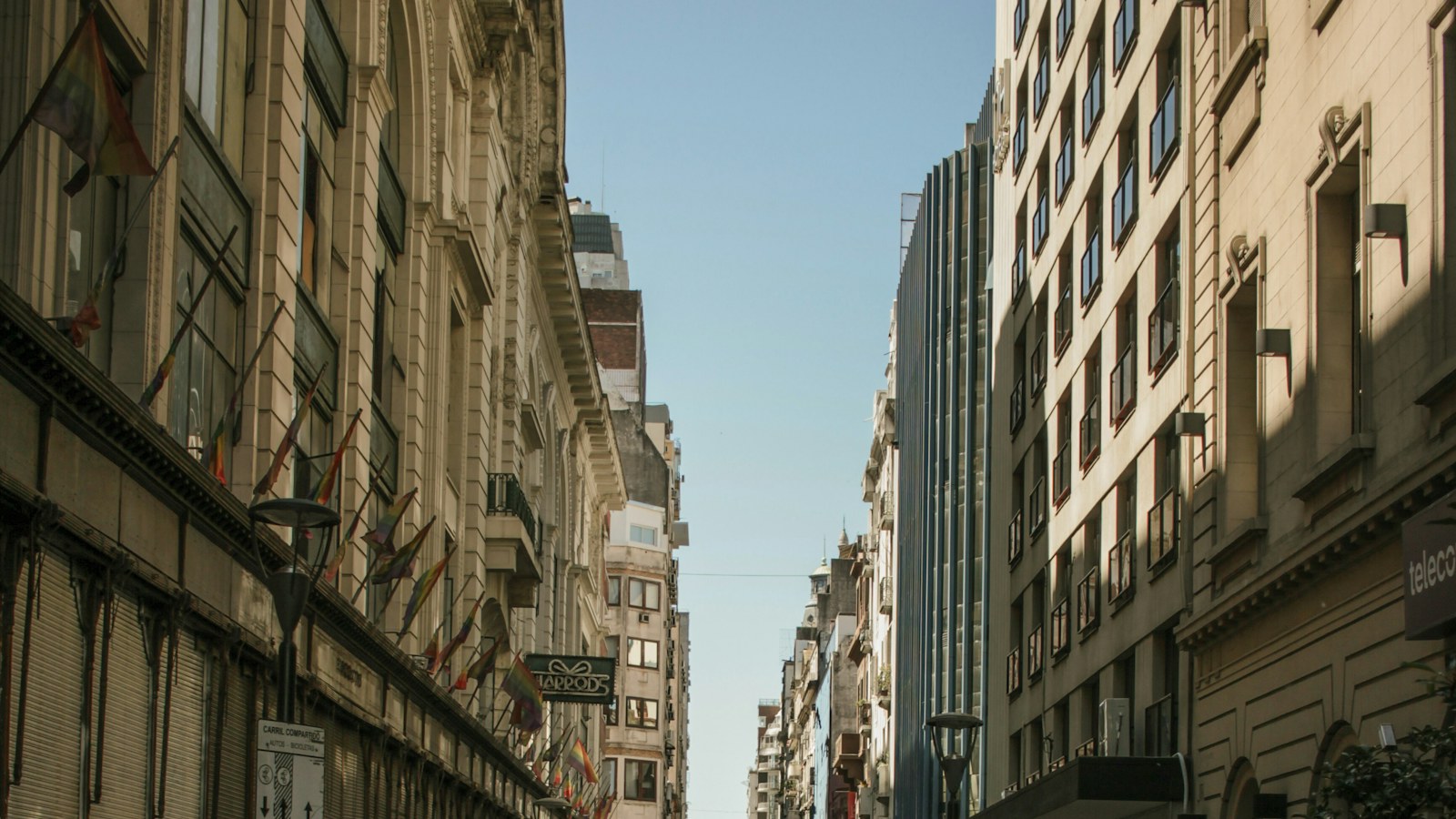
Explore in neighborhood clusters
Use current transit information for routes and payment. Check the return journey before staying out late and keep your lodging address available offline. As in any large city, stay aware of your belongings in crowded areas. If you have mobility needs, verify station access and venue entrances in advance.
Buenos Aires rewards visitors who settle into its daily rhythm. Choose a practical base, take time over meals, and let each neighborhood feel different rather than racing through a list of landmarks.
Ask about building access, stairs or lifts, air conditioning, and check-in. Confirm the bed setup and whether the apartment faces a busy street. Read recent reviews for practical details and compare the total price and cancellation policy.
A relaxed way to explore
Spend one day near your accommodation and a nearby park or museum. Use another day for historic streets and a market, checking opening hours before you go. If you want to attend a tango performance or football match, choose a reputable provider and confirm venue and transport details. Do not schedule attractions on opposite sides of the city back-to-back.
Palermo offers parks, restaurants, and a lively visitor scene. Recoleta has museums, architecture, and broad avenues. San Telmo is known for historic streets and markets, while central districts can be convenient for transit and landmarks. Check the exact rental location, nearby transport, and evening activity before booking.
Choose a Buenos Aires base by neighborhood
Buenos Aires is a large city with distinct districts, so your base should match the kind of stay you want. Recoleta offers grand avenues, museums, and cafés; Palermo has parks, restaurants, and a lively evening scene; San Telmo is known for historic streets and markets; and Microcentro can be convenient for some central sights but feels different after business hours. Compare the exact location and transit access before booking.
Check how far the accommodation is from a subway station or bus corridor and what the neighborhood feels like at the time you expect to return. Confirm elevator access, air conditioning, noise, and check-in. If a listing describes itself as central, look at the walking route to the places you plan to visit. A convenient base can reduce long cross-city trips.
Explore the city in neighborhood clusters
A first visit is easier when days focus on nearby areas. Pair Recoleta’s museums and architecture with a nearby park, then leave Palermo for another day. San Telmo can be combined with central historic sights, but allow time for a market and meal rather than rushing between distant stops. If a particular museum or performance is important, check its current schedule and ticket terms directly.
Buenos Aires is a city to experience through its everyday rhythms as well as its landmarks. Plan a relaxed meal, stop at a café, and allow time for a plaza or bookstore. Some restaurants serve later than visitors expect, while opening hours can vary by day. Check ahead and keep a simple backup option near your accommodation.
Use local transport thoughtfully
The subway and bus network can help cover longer distances, but route details, payment options, and service conditions may change. Check current transit guidance and the route for the exact day. A bus can be useful when it runs directly along your route, while a taxi or rideshare may be simpler late at night or with luggage. Confirm the pickup point and fare method before a ride.
Walking works well inside many neighborhoods but not necessarily between distant districts. Use a map to plan a route, keep valuables secure in crowded areas, and take a break during warmer weather. If you attend an evening performance, plan your return before it ends. Leave enough time for transport to an airport or long-distance station.
Enjoy food and culture with context
Buenos Aires offers a wide range of dining, from casual neighborhood cafés to restaurants that require reservations. If steak or another local specialty is on your list, compare menus and consider the group’s dietary preferences. For food allergies, ask directly about ingredients and preparation. Markets and food halls can be useful for sampling several options, but check current opening hours.
Tango performances and live music vary in style and price. Compare whether a ticket includes dinner, drinks, transport, or only the show. Choose a venue that suits your interests and confirm the schedule before traveling across the city. If you prefer a more informal experience, look for public cultural events through official local listings.
Plan around seasons and city events
Buenos Aires has a different feel across the year, and heat, rain, or local events can affect walking and transport. Check a current forecast and organize outdoor visits during comfortable hours. Event dates can increase accommodation demand, so compare your dates with the local calendar and reserve early when needed. If your stay overlaps a holiday, confirm which museums, shops, or restaurants will be open.
Keep an alternative plan for rainy weather, such as an indoor museum or an extended café stop. Check the venue’s official page for last admission and ticket details. When temperatures are high, carry water and choose shaded routes. A flexible day lets you experience more without turning weather into a problem.
Find an accommodation that makes a city stay easier
A comfortable apartment or hotel can make a longer city visit feel more manageable. Confirm air conditioning, lift access, laundry, kitchen equipment, and the number of beds. Ask about street noise and building entry at night. If you plan to work or study during the trip, verify internet reliability rather than relying only on the listing’s description.
Compare the full price and cancellation policy, including cleaning fees, taxes, and deposits. Check whether the accommodation is licensed or otherwise compliant with local rules, and read the guest requirements carefully. Save arrival instructions and the host’s contact method. For planning, see our rental comparison guide and budget checklist.
Common first-visit questions
How many days do you need? Four days can cover several neighborhoods and a cultural evening, while a longer trip supports slower exploration and day trips. Is it best to stay in Palermo? It suits some travelers, but Recoleta, San Telmo, and central areas may fit other plans better. Compare transit access, price, and noise before choosing.
Do you need to book restaurants and shows? Reserve experiences that have limited capacity or are central to your plans, then leave flexible time for casual meals. Is Buenos Aires walkable? Individual districts are walkable, but the city is too large to cross on foot between every activity. Use public transport or a trusted ride option to connect neighborhoods.
A practical day-by-day rhythm
For a short stay, give each day a simple focus: one day for the central neighborhoods and a museum, another for a park or a food-focused walk, and a third for a farther district or performance. This structure reduces cross-city travel while still leaving room for spontaneous stops. Check opening hours and transit conditions in the morning, then adjust the route if a venue is closed or the weather changes.
Use the morning for outdoor walking and save indoor attractions for the warmer or busier part of the day. Keep one meal near your accommodation on the first night while you settle in. If a special restaurant or show is important, reserve it and plan the return trip before leaving. This rhythm gives your visit structure without making every hour feel scheduled.