A good vacation rental can make a trip feel easier from the moment you arrive. The right choice depends on more than attractive photos: location, house rules, sleeping arrangements, transport, fees, and the rhythm of your days all matter. Use this guide to compare listings carefully and choose a place that fits the people traveling and the plans you actually expect to make.
Start with the shape of your trip
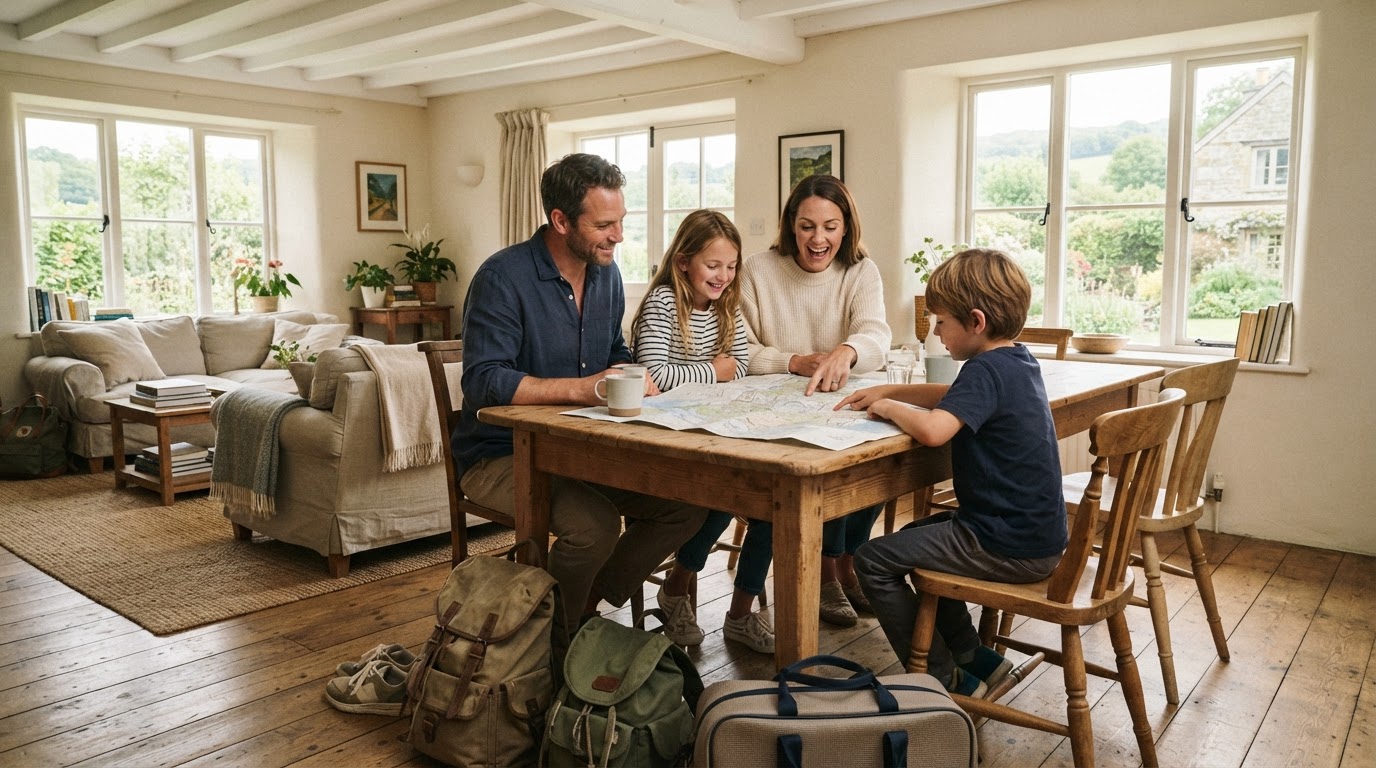
Before opening a booking site, write down the basics: travel dates, number of guests, approximate budget, and the main reason for the trip. A quiet nature break, a city weekend, and a family visit require different kinds of accommodation. Think about how many hours you expect to spend at the rental. If it is mostly a place to sleep, location and a comfortable bed may matter most. If you plan to cook, work, or spend rainy afternoons indoors, the kitchen, table, and living area deserve closer attention.
List the needs that would make the stay difficult if they were missing. This might include step-free access, a separate sleeping area for a child, reliable internet for work, parking, or a pet-friendly policy. Keep this list short and divide it into essential and nice-to-have items. That simple distinction prevents a listing with decorative extras from distracting you from the features that support the actual trip.
Choose location by daily routine
A map pin is only a starting point. Look at the places you plan to visit, likely transport routes, grocery options, and how you will arrive with luggage. A home that appears close on a map may be separated from a beach, trailhead, or town center by steep terrain, limited transit, or a road that feels uncomfortable to walk. Check distances using the mode of travel you will really use, not only straight-line distance.
Consider what the neighborhood is like at the times you expect to be there. A central location can reduce transit time but may bring late-night noise or limited parking. A quieter area may offer more space, but require a car or longer transfers. Read recent local information and review the listing’s exact location after it is disclosed. If something is important, ask the host a specific question rather than guessing from a broad area label.
Read the listing as a practical description
Look for concrete details about beds, bathrooms, kitchen equipment, heating or cooling, stairs, and shared spaces. Distinguish a real bed from a sofa bed and confirm how many people can sleep comfortably, not just the maximum occupancy number. If the description uses broad phrases such as “fully equipped,” check the amenities list for the items you will use, such as cookware, a washing machine, or a desk.
Photos can help you understand the layout, but they may not show every room or the scale of furniture. Look for a floor plan or a consistent sequence of images. Notice whether the listing depicts the exact unit, a shared building, or a representative example. If a feature is central to your decision, such as a private entrance or fenced yard, ask the host to confirm it in writing before booking.
Compare the full cost
The nightly rate is not the total. Before deciding, compare the amount displayed for the same dates and guest count, including cleaning, service, taxes, deposits, and any extra charges shown before checkout. A lower rate can become less competitive when fixed fees are added, particularly for a short stay. Compare the cancellation terms at the same time, because flexibility can be valuable if plans are uncertain.
Set a total trip budget rather than a lodging-only target. Include transportation to the property, local travel, parking, groceries, and likely meals out. A rental with a kitchen may support some home-prepared meals, but only if you want to shop and cook during the trip. Consider convenience as part of value: saving a little on lodging may not help if the location adds costly transfers or a great deal of travel time.
Check rules, access, and communication
Review check-in and check-out times, quiet hours, visitor policies, smoking rules, pet restrictions, and any building requirements. Check whether self check-in is available and what happens if arrival is delayed. For a late flight or long drive, clear arrival instructions can make a meaningful difference. Make sure the primary guest meets the platform’s requirements and that the reservation names match the booking conditions.
Ask concise, answerable questions before booking. For example, ask whether the second bedroom is separated by a door or whether parking is on site. Keep communication on the booking platform where possible so that important answers are recorded. A prompt, clear reply is helpful, although it does not replace reading the written policy. If a response conflicts with the listing, pause and ask for clarification before paying.
Use reviews carefully
Reviews can reveal patterns that are not obvious from photographs, such as street noise, a steep stairway, a difficult lock, or a convenient grocery store. Read a range of recent comments and focus on repeated details rather than one unusually positive or negative reaction. Consider when the review was written and whether it refers to the same property, host, or management setup that appears in the current listing.
Match feedback to your priorities. A traveler who dislikes a lively area may be describing a feature you enjoy; a complaint about limited parking may be irrelevant if you are traveling by train. Look for specific descriptions of cleanliness, accuracy, communication, and check-in. If a review raises a material concern, ask the host how that issue is handled today and compare the answer with the written listing.
Make a final comparison
Create a small table with each finalist and the same criteria: total price, travel time, sleeping layout, essential amenities, cancellation terms, check-in, and any unanswered questions. This reduces the chance that striking photography or a discount will dominate your decision. If two rentals are close, identify which one removes the biggest source of uncertainty for your group.
Before submitting payment, confirm dates, guest count, address area, refund terms, and the final amount. Save the booking confirmation and instructions where the whole group can find them. Revisit the listing shortly before travel in case the host sends updated arrival details. A few minutes spent checking the essentials can prevent avoidable confusion and help you begin the trip with realistic expectations.
Questions travelers often ask
What matters most when booking a rental? Start with location, suitable sleeping arrangements, transparent total price, and policies that fit your plans. Amenities matter when they support a real need. Is a rental always cheaper than a hotel? No. Compare the full total for your exact dates and guest count, and consider transport and cleaning costs.
Should you contact a host before booking? Contact them when an important detail is unclear, and keep the question specific. Should you rely on photos alone? No; pair photos with the written description, amenity list, policies, and recent reviews. Always verify essential details with the provider before completing a reservation.
Putting the plan into practice
Before choosing, consider a “day in the trip” test. Imagine arriving with your bags, making breakfast, heading to the main activity, returning after dark, and preparing to leave. At each step, ask what information you still need: whether the route is walkable, where groceries are, how the entry works, or whether the sleeping layout fits the group. This practical rehearsal often surfaces one important question that a photo gallery does not answer. Write it down and send it before reserving. If two properties remain close, choose the one with fewer unresolved essentials rather than chasing a small difference in style. Save the listing details, total price, and host reply alongside the booking confirmation. These notes make it easier to remember why you chose the property and give the group a common reference if plans change. The goal is a stay that supports your itinerary, not a rental that looks impressive in isolation.