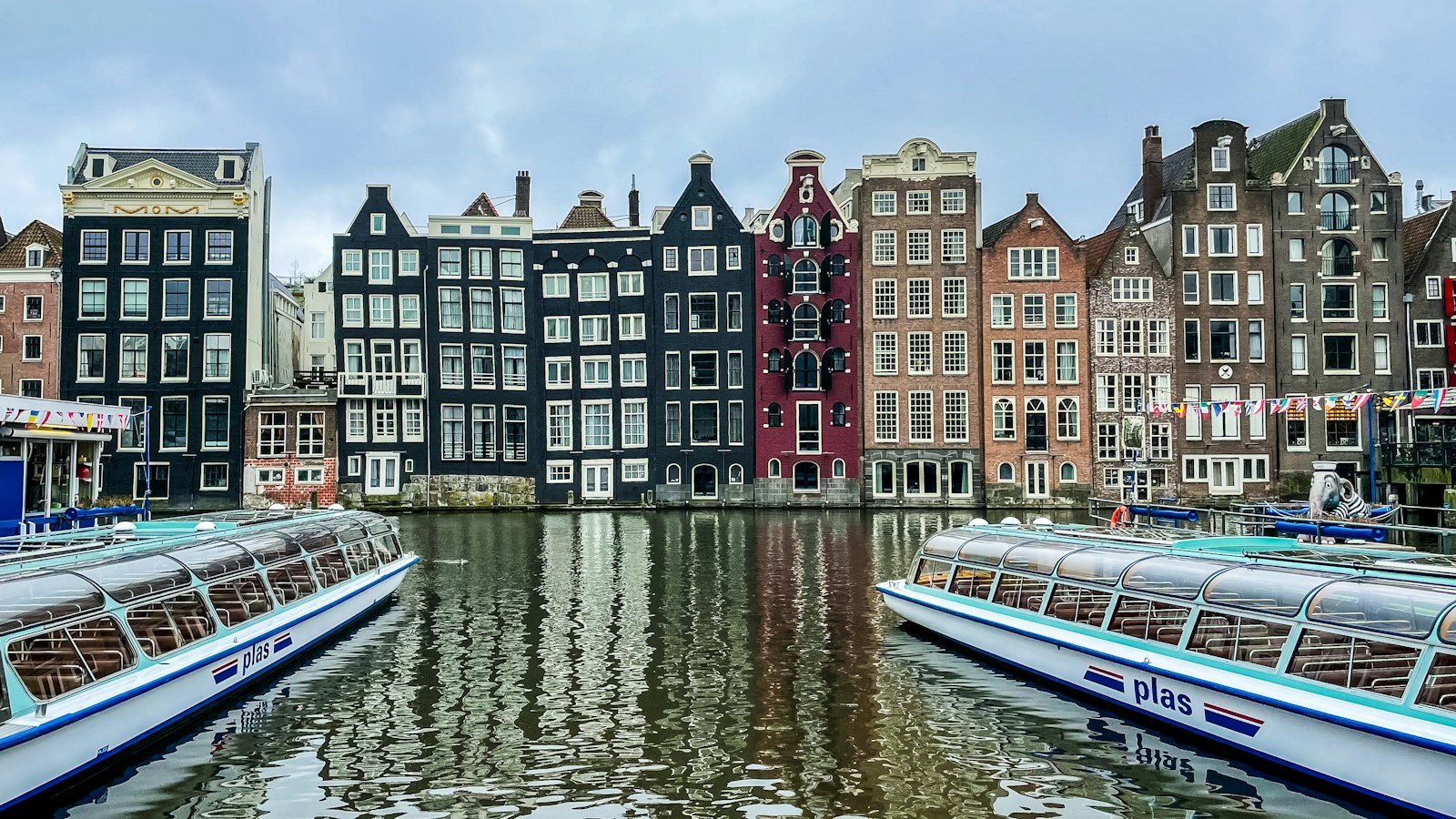
Amsterdam’s canals are memorable, but the city is more than its best-known views. Neighborhood cafés, markets, parks, and museums add a fuller sense of everyday life. A good visit combines a few planned sights with time to walk or cycle at a pace that feels comfortable.
Choose a place to stay
For a vacation rental, confirm current short-stay requirements, check-in instructions, and the total price. Look at the route to transit and nearby groceries. A small apartment in a useful location can be more practical than a larger one that makes each outing complicated.
The canal belt is central and scenic. Jordaan offers smaller streets and cafés, while De Pijp has markets and a lively local feel. A base farther from the center may be quieter if it has a convenient transit connection. Check the exact address, stairs, noise, and house rules. If bicycles are available, ask how they should be stored securely.
Plan by neighborhood
Walking and public transport work well for many routes. If you cycle, learn local road habits, use lights after dark, and stay alert at crossings. Do not stop in cycle lanes to check a map or take pictures. Check current transit fares and service changes close to your visit.
Amsterdam feels more welcoming when you make room for ordinary moments as well as landmarks. Choose a few priorities, respect residents’ privacy, and enjoy a quiet canal walk or café break without needing to fill every hour.
Use one day for the historic center and canal walks. Reserve a museum for another day, checking official opening times and ticket arrangements before you go. A nearby park or market can fill the rest of the afternoon without another cross-city trip. Leave a little flexibility for rain or a crowded attraction.
Pick a neighborhood that matches your style
Amsterdam’s canal belt is only one part of the city. The Jordaan offers small streets, shops, and cafés; De Pijp has a lively neighborhood feel; Oud-West provides a mix of residential streets and food options; and the museum quarter can be convenient for major cultural visits. Choose a base based on your interests and transit needs rather than assuming that staying directly beside a canal is always best.
Check how far the accommodation is from a tram or metro stop and whether the route crosses bridges or busy cycling paths. Confirm stairs, elevator access, room size, cooling, and noise. Many historic buildings have steep staircases and compact rooms. If you arrive with luggage, ask about the nearest drop-off point and check-in instructions in advance.
Explore beyond the main canal ring
A first day can orient you around the central canals and a few major sights, while a second can focus on a neighborhood or museum area. Consider adding a ferry across the IJ or a walk through a park if the weather allows. The best schedule is often one main attraction per half-day, with breaks for food and the city’s cycling pace.
If you plan to visit a popular museum, check official ticket requirements and timed entry well before your dates. Do not assume tickets will be available at the door. Allow time to walk or cycle carefully between locations; visitors should stay alert around bike lanes and avoid stopping in the middle of cycle routes to check a map.
Use transit and bicycles responsibly
Trams, metro, buses, and ferries connect many areas, but confirm current routes and fares before traveling. A contactless payment option may work on local services, but check operator guidance for your specific trip. If you rent a bicycle, be comfortable riding in traffic, understand local signals, and use a proper lock. Walking can be the best option for short canal routes.
Leave extra time for station access, transfers, and crowded vehicles. A ferry can be a pleasant way to reach northern districts, but verify the correct terminal and return service. Keep your accommodation address and route saved offline. If cycling is not comfortable, public transit and walking offer a practical alternative; there is no need to bike simply because many residents do.
Make room for local cafés and food
Amsterdam’s food options range from casual cafés and bakeries to international restaurants. Choose a meal near the area you are exploring and check opening times, especially on Sundays or holidays. A market visit can be a relaxed stop, but confirm its days and hours for your travel dates. If you plan a special dinner, review the menu and reservation policy beforehand.
For dietary needs, communicate clearly with the restaurant and ask about ingredients. Keep a backup meal option in mind if a popular location is full. Take a break from sightseeing at a café or park rather than eating while walking through crowded streets. This gives you a chance to enjoy the neighborhood as well as its attractions.
Respect homes, waterways, and cycling routes
Canals are beautiful but require care near the water’s edge, particularly after dark or in crowded areas. Do not climb on railings or stand in cycle lanes for photographs. Keep noise low in residential streets at night and follow posted rules in courtyards and shared buildings. Amsterdam’s compact housing means visitors should be especially considerate around entrances and windows.
If you use a rental bicycle, park only in permitted spaces and follow traffic signals. Do not ride on sidewalks where it is not allowed. Ask before photographing residents or private spaces. These habits make it easier for travelers and locals to share a busy city.
Choose lodging with historic-building details in mind
Before booking, confirm the room’s stairs, lift availability, bathroom setup, and how much luggage the entry can accommodate. Historic buildings may not have the accessibility features of newer hotels. Check noise levels, heating, ventilation, and whether the room has enough space for your group. If you plan to cook, verify the kitchen equipment and house rules.
Compare taxes, cleaning charges, and cancellation terms. Ask about late check-in and luggage storage if your flight does not match the property schedule. Keep the host’s contact method accessible. Our booking checklist can help you review practical details before paying.
Questions for a first visit
How many days should you allow? Three days can cover a few central sights, a museum, and neighborhood walks; add time for day trips. Is a canal-side stay best? It can be atmospheric, but compare noise, stairs, price, and transport. Do you need a bicycle? No; walking and public transit work well for many visitors, and cycling is optional.
What should you book ahead? Timed entry for popular museums and any accommodation during busy dates. How can you avoid crowds? Visit major sites early or choose a quieter neighborhood for part of the day, while keeping expectations realistic. Use our flexible travel guide to leave space between activities.
A sample three-day Amsterdam itinerary
Use the first day to orient yourself around the central canals and a nearby neighborhood. Reserve a major museum for the next day, then combine it with a park or café rather than adding several timed activities. Keep a third day for a ferry ride, a market, or a district outside the canal ring. Check official ticket details and ferry times before setting out.
If rain arrives, move a canal walk to another time and choose an indoor attraction. Keep an eye on bicycle lanes when crossing streets, especially when pausing to check directions. A relaxed lunch and a slow walk through one neighborhood often create a stronger impression than trying to see several districts at once.