Marrakech can feel vivid from the moment you arrive: shaded courtyards, market lanes, workshops, gardens, and busy squares sit close together. Instead of trying to see everything in one push, alternate lively outings with quiet breaks. A well-chosen place to stay can become a calm retreat between walks.
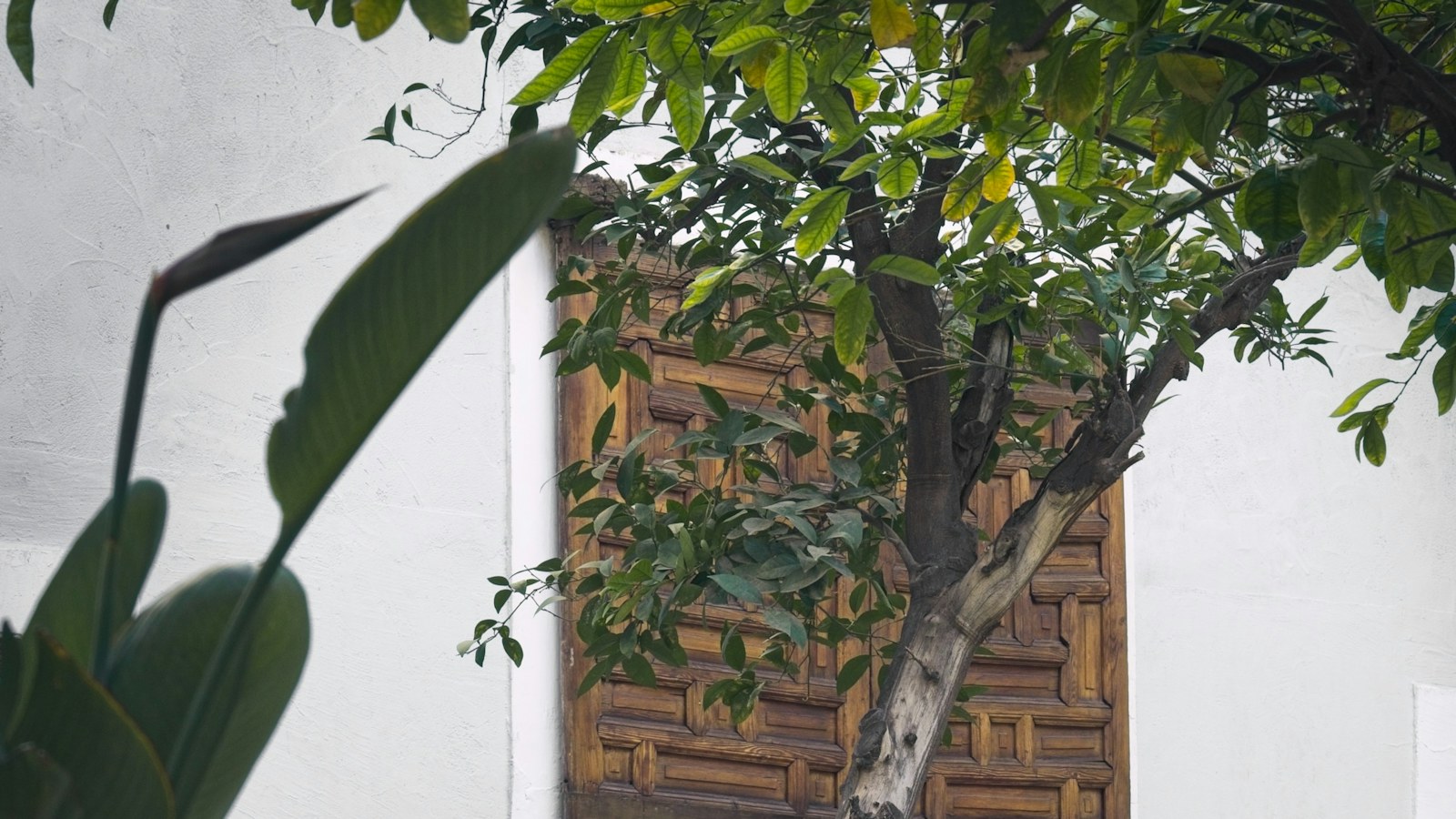
Choose accommodation for your style
A riad in the medina can place you near historic lanes and markets. Many have an interior courtyard that feels peaceful after a busy day. Cars may not reach every doorway, so ask the host for a clear arrival point and whether someone can help with bags. Save the route and address before leaving; the narrow lanes can be confusing at first.
Accommodation outside the old city may have wider streets, easier taxi access, and a quieter evening. Compare the exact location, recent guest reviews, check-in arrangements, stairs, cooling, and whether a terrace or pool is private or shared. Ask how close groceries and restaurants are, especially if you prefer not to travel far after dark.
A balanced two- or three-day visit
Keep your first outing close to the lodging. Learn the route back, find a café and a small shop, then visit Jemaa el-Fnaa in the evening if it appeals to you. The square changes through the day; take time to watch from a comfortable spot and ask about prices before ordering or accepting a service.
On your next day, choose two nearby historic sites and check their official opening details before setting out. Pair them with a garden or a relaxed lunch to break up the pace. If you have an extra day, revisit a neighborhood you enjoyed or book a clearly identified food or craft walk. Confirm a guide’s route and price in advance.
Simple habits that improve the stay
Ask permission before photographing people or shops, keep residential lanes clear, and use a friendly, direct response if you are not interested in buying something. Comfortable, modest clothing can be practical in busy public and religious spaces; follow posted guidance at each site. Carry water and sun protection, and rest indoors during the hottest part of the day.
Before booking, confirm the route from a taxi drop-off, the property’s cooling, and how to contact the host if your arrival changes. Respect house rules and quiet hours, especially in courtyard homes where sound carries. Marrakech is easier to appreciate when you leave time for rest, a good meal, and the details you discover along the way.
Choose the right part of Marrakech for your stay
Marrakech can feel very different from one neighborhood to another. A riad in the medina may place you close to historic lanes, markets, and traditional courtyards, but access can involve narrow passages, walking with luggage, and limited vehicle access at the door. The newer districts, including Gueliz and Hivernage, generally offer wider streets and a different mix of cafés, shops, and hotels. Consider whether you want to be immersed in the old city or prefer easier taxi access and a quieter return at night.
Before booking a riad, ask for clear arrival directions, the nearest vehicle drop-off point, and whether someone can meet you at the edge of the medina. Confirm the room’s ventilation, air conditioning or heating for your dates, breakfast arrangements, and whether the staircase is manageable for everyone in your group. Read recent reviews for details about noise, access, and communication. A beautiful courtyard does not tell you how easy it is to find the entrance after dark.
Explore the medina without getting overwhelmed
The medina is best explored in small sections. Pick a landmark or gate as your starting point, save your accommodation location offline, and give yourself time to pause rather than walking rapidly through every lane. Shops and workshops are part of daily life as well as visitor experiences; ask before photographing people or inside a business. If you want to browse, decide in advance what you are looking for and take a moment to compare quality and price before buying.
A licensed local guide can help explain the city’s history and make it easier to navigate, especially on a first visit. Agree on the route, length, and cost before setting off, and choose a guide whose credentials or recommendations you can verify. If you explore independently, be courteous when declining an offer of help and keep your route simple. Do not follow a stranger to a separate location because they claim a street is closed; check with your host or an official source instead.
Balance famous sights with slower moments
A first visit can include a historic palace, a garden, a museum, and time in the central square, but it is rarely comfortable to fit all of these into one rushed day. Group nearby places and check current opening hours directly before going. Some sites require timed tickets or have photography rules. Leave a break in the hottest part of the day, especially if you are walking outdoors, and choose a shaded café or a return to your accommodation instead of pushing through fatigue.
Consider setting aside an evening for a meal in a neighborhood away from the busiest visitor routes. Ask your host for recommendations and confirm opening times and reservation needs yourself. If you attend a performance or visit a private venue, review what the ticket includes and how to return to your accommodation afterward. A plan with one main attraction, a good meal, and a few relaxed walks often feels more rewarding than a long list of stops.
Plan your transport and arrival carefully
The airport and main transport stations connect to the city in different ways, and the best option depends on your luggage, group size, and accommodation location. Confirm the current airport transfer, taxi, or bus arrangements from an official or trusted provider. If a taxi uses a meter or agreed fare, understand how payment works before the ride begins. For a pre-arranged transfer, confirm the driver’s meeting point and the vehicle details through the booking channel.
Cars may not be able to reach a riad door inside the medina. Arrange a clear final walking route with the property and ask whether luggage help is available. Keep small essentials, drinking water, and your accommodation contact details easy to reach. During your stay, walk when the area is pleasant and the route is clear; use a licensed taxi for longer distances or when you need to return late. Avoid relying on an unconfirmed last connection after an evening activity.
Dress, comfort, and local customs
Marrakech is a large, lived-in city with a range of customs and settings. Visitors can make a good impression by dressing comfortably and respectfully, especially in religious or residential spaces, and by following posted instructions. Ask permission before photographing a person, a private courtyard, or a shop interior. Keep valuables secure in crowded places and use your normal travel judgment with personal belongings.
Warm weather can make long walks tiring, while cooler months can bring a noticeable difference between daytime and evening temperatures. Check the forecast close to travel, carry water, and plan shaded breaks. If you have a sensitive stomach or dietary requirements, ask restaurants directly about ingredients and preparation. Save the address of your accommodation in French or Arabic script if the property provides it, and use that as needed when arranging transport.
Shop and eat with confidence
The souks are a collection of working markets and small businesses, not a single uniform shopping experience. Give yourself time to browse, compare materials, and ask clear questions about what an item is made from and how it can be carried home. If you negotiate, stay friendly and keep the exchange respectful. For larger purchases, check the total price and delivery or return arrangements before you pay; keep receipts for items that matter to you.
For food, choose places that suit your comfort level and ask about ingredients when you need to. A cooking class can be an enjoyable way to learn about local food, but compare the class length, group size, transport, and cancellation terms. If you visit a market for snacks, select items that are handled and stored appropriately. Leave time to eat rather than treating every meal as a quick stop between attractions.
A practical booking checklist
Compare the full lodging rate, taxes, meals, transfer costs, and any service charges. Check whether breakfast is included, whether the property can arrange a reliable transfer, and whether it provides secure luggage storage. Review house rules for visitors, quiet hours, and check-in deadlines. Keep written confirmation of what is included, especially if a listing describes an airport pickup or guided activity as part of the stay.
Before arrival, confirm the exact address and meeting point, the expected check-in time, and a backup contact method. A medina stay may require a short walk from a vehicle, so pack bags that are manageable over uneven paving. Plan a simple first day and avoid scheduling an important timed activity shortly after arrival. This gives you room for travel delays, orientation, and rest.
Questions first-time visitors often ask
Is it better to stay in a riad or a hotel? A riad can offer a courtyard setting and a medina location, while a hotel may provide easier vehicle access and more conventional facilities. Compare access, privacy, temperature control, stairs, and services for your group. How many days are useful? Three full days allow time for a few historic sites, a market walk, a garden or museum, and a slower meal. Add time if you want a day trip outside the city.
Do you need a guide? A guide can add historical context and help with navigation, but it is not required for every visit. Book through a source you trust and agree on the route and terms. Can the city be explored on foot? Many central visits can, though traffic, uneven paving, and heat affect walking comfort. Use transport when the distance or conditions call for it, and verify current provider information before making plans.
More planning advice
Before you confirm your stay, read our guide to what to check in a rental listing and our advice on building a realistic vacation budget.