The Amalfi Coast is famous for pastel villages above the sea, but the landscape that makes it beautiful also shapes the practical side of a holiday. A short distance on a map can mean a steep climb, a busy road, or a slow connection. Choose a base that matches your pace, mobility, and plans, then give each outing enough time.
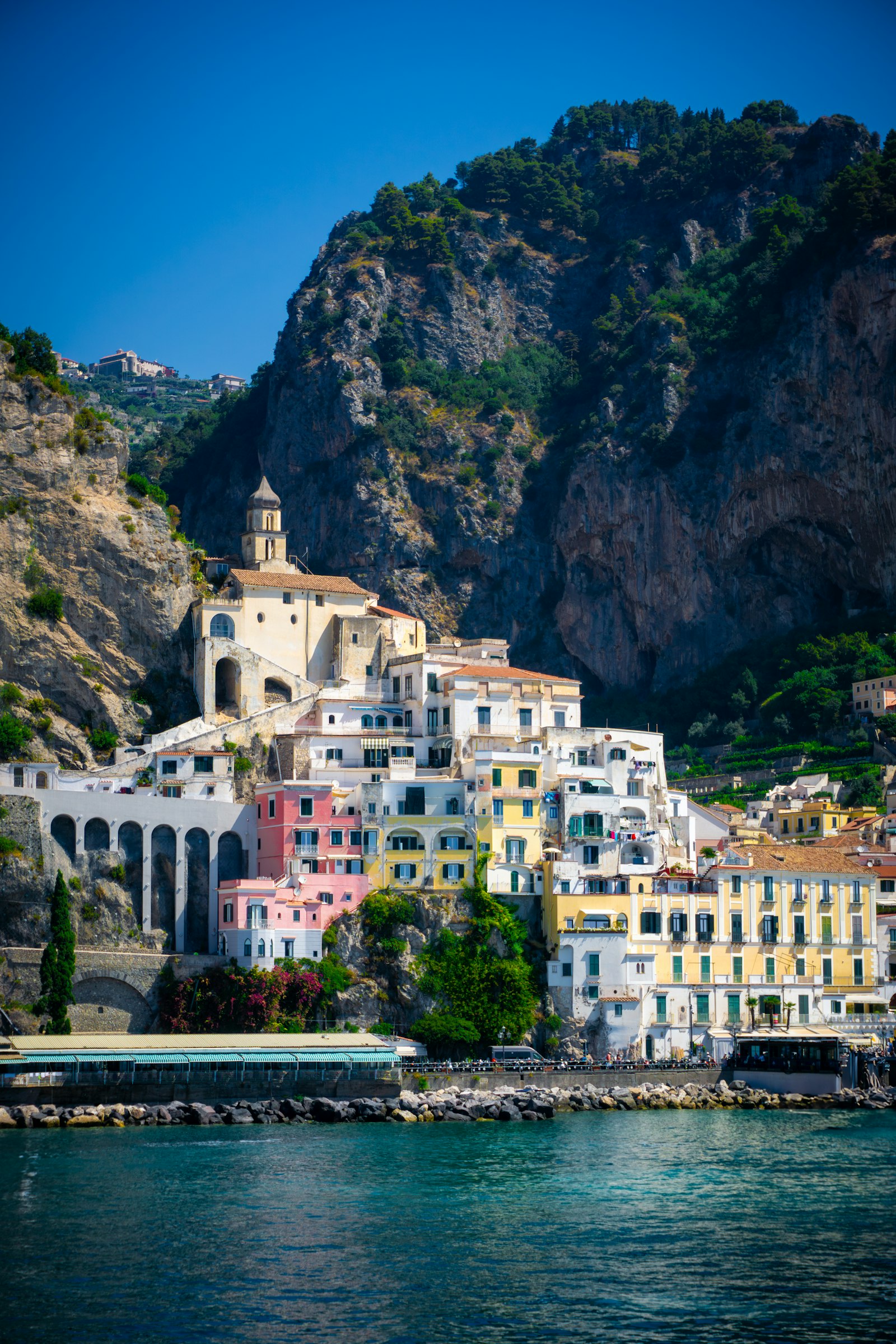
Find the right base
Positano is striking and close to the water, but many routes involve long stairways. Amalfi offers a central position for exploring nearby towns and a historic center with everyday services. Ravello sits higher above the coast and feels quieter, though reaching the waterfront requires another journey. Praiano can offer a slower stop between larger hubs, while Maiori and Minori have more level stretches along the waterfront.
Look beyond the town name when comparing rentals. Ask how many steps lead to the entrance, how far it is to the nearest bus stop or ferry pier, and whether someone can help with bags. A terrace and sea view can be wonderful, but they may come with a steep walk. If anyone in your group has mobility needs, confirm the route and access details directly before booking.
Plan a few outings, not a race
Pick one town to explore slowly on your first day. On another day, visit a nearby village, leaving time for lunch and a walk. A third outing could be Ravello’s gardens or a boat trip, depending on season and current service. Check ferry and bus schedules close to your dates because weather and seasonal operations can affect them.
If Pompeii or Naples is important to you, consider whether an overnight elsewhere would make the journey more comfortable. The coast is not a convenient base for every inland destination. Avoid an itinerary that depends on several tight transfers, and keep a weather-friendly alternative in case a boat service changes.
Book for everyday comfort
Check air conditioning or fans, the number of stairs, the kitchen setup, nearby groceries, and how late check-in works. For a longer stay, a town with a small shop and pharmacy within an easy walk can make daily life simpler. Read the full price, cleaning fees, and cancellation terms before reserving. If you plan to drive, confirm parking and make sure you are comfortable with narrow, winding roads.
Warmer months bring beach weather and greater visitor demand; spring and early autumn may feel less hurried, though conditions and service hours vary. Carry water, wear shoes with grip, and respect residential streets and quiet hours. The coast is more rewarding when you have time to sit by the water or wander a village without watching the clock.
Decide how much of the coast you want to cover
The Amalfi Coast looks compact on a map, but the steep terrain and winding roads make travel slower than straight-line distances suggest. Choose one main base and build outings around it instead of changing accommodation every night. Positano suits travelers who want dramatic seaside views and are comfortable with stairs. Amalfi offers a central feel for exploring nearby towns, while Ravello sits higher above the coast and appeals to visitors who prefer gardens and quieter evenings. Sorrento is outside the Amalfi Coast itself, but can work as a practical transport base for some itineraries.
Compare the everyday details as well as the view. Check the route from the nearest stop to the property, the number of steps, whether luggage assistance is available, and how far you must walk with bags. A balcony may be lovely, but reliable air conditioning, a clear check-in process, and a comfortable bed matter during a longer stay. If a listing says it is close to the beach, look at the elevation and route; the return walk may involve a steep climb.
Build days around one corridor
A relaxed itinerary usually follows the geography of the coast. Dedicate one day to the town where you are staying, another to one or two nearby communities, and a separate day to a boat trip or inland visit if conditions and schedules permit. This reduces the temptation to fit every famous viewpoint into a single day. Give yourself time for lunch and unplanned stops, and remember that parking, transfers, and queues can make even a short journey take much of the day.
If you want to visit Ravello, plan the uphill portion deliberately and leave time to enjoy the gardens and views rather than treating the town as a quick photo stop. If your plans include Positano and Amalfi, compare boat and road connections for your dates; routes, weather conditions, and operating calendars can change. Check official operator information close to travel and keep a land-based alternative in mind if the sea is rough.
Understand the transport trade-offs
Local buses can connect coastal towns, but they may be busy and the road is winding. Allow a generous buffer if you have a reservation, ferry departure, or onward train. A taxi can reduce transfers, but confirm the fare and pickup details before relying on it, especially during busy periods. If you plan to drive, think carefully about narrow roads, limited parking, and local restrictions before renting a car. A car is not automatically the easiest option for a multi-town coastal stay.
Ferries can make a scenic journey and may avoid some road congestion, but they depend on the sea and the schedule for the season. Check the departure pier, luggage rules, and final return time. Do not plan the last connection of the day as a tight transfer. For travel between towns, keep the next departure saved and confirm it on the day. Comfortable shoes with grip help on stone steps and sloping streets; carry water when walking in warm weather.
Enjoy the coast beyond the viewpoint
The region’s appeal is not limited to photographs of cliffs and blue water. Take time for a neighborhood walk, a long lunch, a small food shop, or a quiet stretch of shoreline when the busiest areas fill up. In a town center, keep doorways and narrow walkways clear, follow local signs, and ask before photographing people at work. If you are visiting a church or another place of worship, dress and behave in line with posted guidance.
Beach access differs from place to place. Some areas have a public section and others use paid beach clubs, so check the current arrangement before budgeting for the day. Water shoes can be useful on pebbly stretches, and shade may be limited at some spots. If you are traveling with children or anyone who finds stairs difficult, consider how to reach the water and where to take a break before choosing a beach.
Choose a season that fits your travel style
The coast’s atmosphere and transport options vary through the year. In warmer months, days are longer and sea connections may be more frequent, but popular towns can be crowded and accommodation costs higher. Quieter periods can feel more relaxed, while some beach services, restaurants, or routes may operate on a reduced schedule. Rather than planning around a broad seasonal label, check the dates that matter to your specific trip.
For spring or autumn, pack layers and allow for changing conditions between the waterfront and higher villages. For summer, schedule exposed walks for cooler parts of the day and keep an indoor or shaded alternative. Check official notices for trail access, road restrictions, and transport updates shortly before setting out. If an activity is a priority, book a refundable option when possible and confirm the cancellation terms before paying.
Book a stay with fewer surprises
Compare the complete cost for your dates and group, including local taxes, cleaning fees, deposits, and any transport required to reach the property. Read the cancellation terms and house rules before confirming. Ask whether the stated capacity means beds for every guest, and whether a kitchenette, laundry, or elevator is available if you need one. Properties on the coast can involve stairs even when they are a short distance from the center.
Before arrival, save the property address, host contact method, check-in time, and instructions for finding the entrance. Ask where a taxi or transfer should drop you if vehicles cannot reach the door. Plan a light first evening close to your accommodation in case travel takes longer than expected. If you arrive by ferry, confirm the luggage route from the pier to your stay and whether your host can help with bags.
Common questions about an Amalfi Coast stay
Is it better to stay in one town or move around? For most short trips, one base is simpler because packing and check-in consume time. Choose a second base only if the trip is long enough to justify the extra transfer. Do you need a car? Not necessarily; public transport and boats may suit a town-to-town itinerary, while a car can add parking and driving demands. Check the current options for your dates before deciding.
How many days should you allow? Three or four full days can give a first-time visitor a comfortable introduction to a base town and a few nearby excursions. Add time for a slower beach day or inland visit if those matter to you. Is a sea-view rental always the best choice? A view is valuable only if the access, noise, stairs, and full price work for your group. Compare the daily experience, not just the listing photographs.
Plan your booking and itinerary together
Use our vacation rental checklist to compare access, rules, and the complete cost, then use our flexible itinerary guide to leave breathing room between towns.