Kyoto is easy to admire and easy to over-schedule. The city’s temples, gardens, and historic streets are spread across several districts, so a better visit usually comes from choosing a comfortable base and exploring one area at a time. Leave space for quieter moments too: a canal-side walk, a small café, or a garden where you can sit for a while.
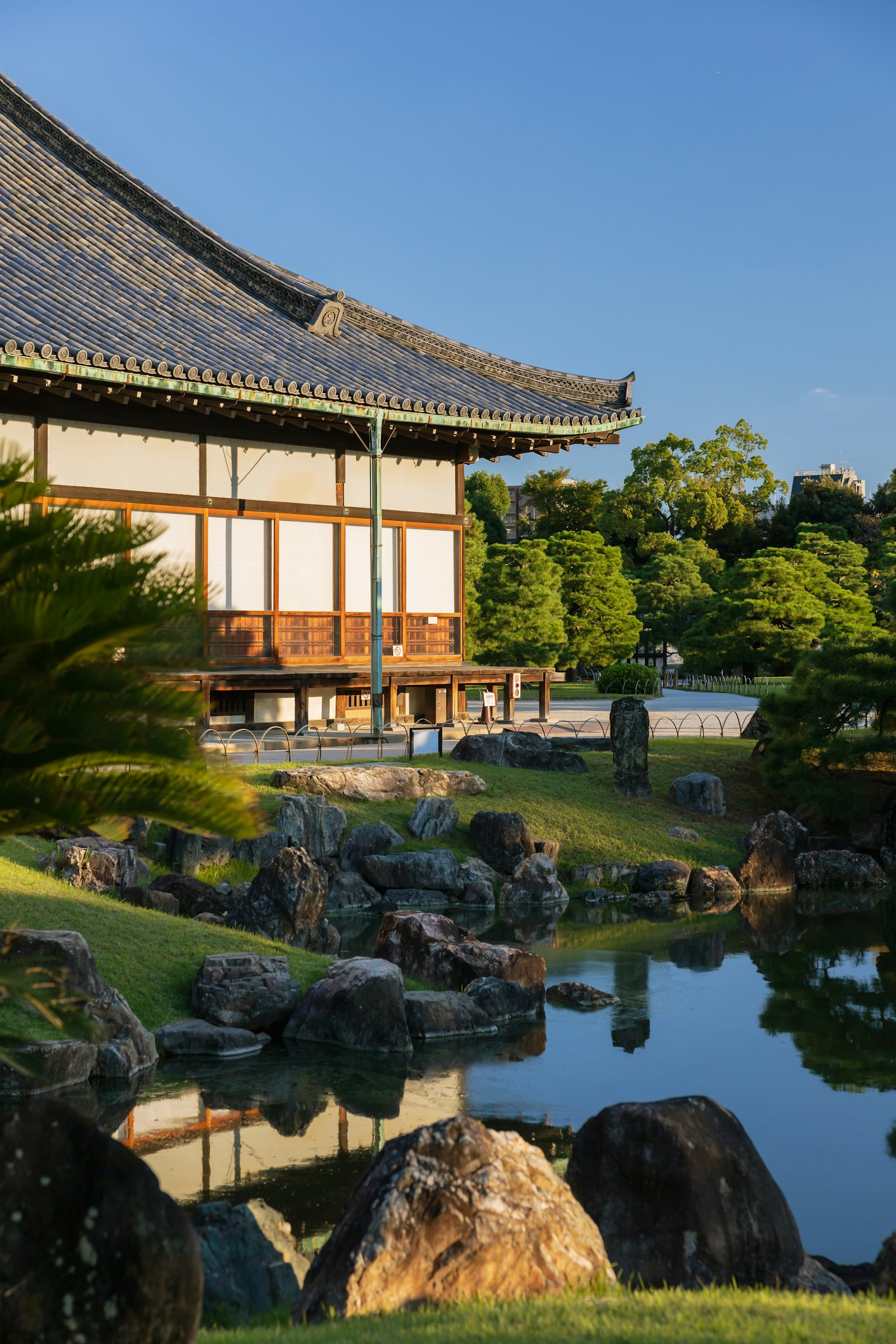
Choose a neighborhood that fits your trip
Central Kyoto works well for restaurants, shopping, and transit connections. Staying near Kyoto Station can simplify arrival and departure, especially with luggage or a planned day trip. Downtown has a livelier evening scene, while Higashiyama puts many traditional streets and temple areas within easier reach. Arashiyama offers a greener setting on the western side, though central sights take longer to reach.
Before booking, check the property’s exact address and walking route. A traditional house may be charming but could have steep stairs, compact rooms, or little sound insulation. Confirm luggage access, check-in instructions, nearby transit, and whether the short-stay accommodation meets local requirements. For a longer visit, a kitchen and laundry access can be more useful than extra decorative features.
A flexible three-day plan
On your first day, keep the schedule light. Walk around the central shopping streets, stop at Nishiki Market if it fits your interests, and choose dinner close to your lodging. Markets are working places as well as visitor attractions, so keep paths clear and ask before photographing vendors.
Use the second day for Higashiyama. Start early, choose a few nearby temples or gardens, and allow time for the sloping stone lanes around Sannenzaka and Ninenzaka. Comfortable shoes matter more here than a packed checklist. Check each site’s official visitor information before going, since hours, photography rules, and seasonal access can differ.
For the third day, decide between Arashiyama and another district that interests you. In Arashiyama, treat the bamboo grove as one stop on a broader walk rather than the whole day. Avoid crossing the city repeatedly; Kyoto’s neighborhoods are more enjoyable when you give each one time.
Make the visit comfortable and considerate
Kyoto’s narrow residential lanes are not public photo sets. Keep voices low near homes, follow signs, and do not enter private property for a picture. At shrines and temples, observe posted guidance and avoid touching objects that are not meant to be handled. Build flexibility into transit connections; a map estimate may not include the time needed to navigate a large station or wait for a bus.
Spring and autumn can bring high demand and fuller streets. If your dates are fixed, book lodging early and plan a quieter alternative for busy outings. In warm weather, walk during cooler hours, carry water, and take indoor breaks. The most satisfying Kyoto itinerary leaves you enough time to notice the city rather than simply move through it.
Set a realistic pace for each day
Kyoto rewards a plan built around compact areas rather than a checklist that jumps from one end of the city to the other. Before leaving your rental, group the places you hope to see by district and choose one or two priorities for the day. A temple visit can take longer than the time spent inside it: walking between gates, pausing in a garden, finding a quiet lunch, and navigating local streets all count. Keep one flexible period in the afternoon so weather, crowds, or a favorite neighborhood can change the plan without making the day feel wasted.
For a first visit, consider pairing the eastern temple lanes with nearby streets instead of trying to add Arashiyama on the same day. If a place is important to you, confirm its current opening details and visitor guidance directly before setting out. Some grounds have seasonal access, one-way routes, or restrictions on photography. A short list of meaningful stops usually creates a calmer day and leaves room for the smaller discoveries that make a city memorable.
Choose accommodation for the way you travel
The best neighborhood depends on what you value most. Kyoto Station can be practical for arrivals, departures, and trips outside the city. Downtown offers easy access to restaurants and evening walks. Higashiyama suits travelers who want to spend more time around historic streets, while Arashiyama may appeal to visitors seeking a greener atmosphere and a slower start. Compare the actual route from each property to the places you expect to visit; a location that looks central on a map may still involve several transfers or a long uphill walk.
Read the full listing before booking and check details that photographs cannot show. Confirm the number of beds, whether the bathroom is private, the availability of laundry, the heating or cooling arrangement, and how late check-in works. Ask how luggage is handled if the arrival time is earlier than access to the room. In an older building, stairs, narrow corridors, and limited sound insulation may affect comfort. These practical details matter more than a decorative feature you may rarely use.
Travel between districts with less friction
Kyoto’s buses, rail lines, and subway serve different parts of the city, so the quickest route depends on where the day begins and ends. Check the route on the day you travel rather than assuming that one pass or one type of transport covers every journey. Leave extra time when changing at a large station, traveling with luggage, or visiting during busy periods. A map app is useful for comparing options, but it cannot always predict how crowded a vehicle will be or how long it takes to reach a platform.
For short distances, walking can be the simplest choice when the route is pleasant and the weather is comfortable. Carry water in warm months and choose shoes suited to uneven paving and sloped lanes. If your plan includes several neighborhoods, avoid repeating long cross-city trips by placing nearby visits together. Keep a backup route for the return journey, especially if you plan to stay out after dinner. Save the address of your accommodation in a form that can be shown to a driver or station staff if needed.
Make room for food and everyday neighborhoods
Food planning can help shape a day without turning it into a schedule of reservations. A market visit works best when you arrive with time to browse, choose a few items, and move respectfully around people who are shopping or working. Look for casual restaurants near the area you are already exploring instead of crossing town for every meal. If you have dietary needs, learn how to explain them clearly and check directly with the restaurant; menus and preparation practices vary.
A small grocery shop near your rental can be useful for breakfast, snacks, or a simple meal after a long day. Check whether the accommodation provides cookware and whether local rules allow cooking in the space. Keep noise low in residential lanes, dispose of waste according to the property’s instructions, and do not block entrances while taking photographs. These small choices help visitors enjoy local streets while respecting the people who live and work there.
Plan for weather, crowds, and seasonal travel
The feel of Kyoto changes with the season, and each period brings its own planning trade-offs. Comfortable walking conditions can make long district walks easier, while hot or rainy weather may call for more indoor breaks and a shorter route. Popular areas can become busy at peak times, so an early start may help with the first stop, but do not count on being alone at a famous landmark. Keep an alternative nearby in case rain, a closure, or a long queue changes your plans.
Pack for the conditions you expect rather than relying on a single forecast checked weeks ahead. A compact umbrella, layers, comfortable socks, and shoes that are easy to remove can be useful for a walking-focused trip. If the visit coincides with a holiday or a well-known seasonal period, compare cancellation terms before paying for accommodation and allow more time between activities. Confirm current conditions with official destination or site information shortly before traveling.
A simple arrival and booking checklist
Before finalizing a stay, compare the full price rather than the nightly headline rate. Review cleaning charges, local taxes, deposits, cancellation deadlines, and any service fees shown at checkout. Make sure the guest count matches the reservation and that the property’s maximum occupancy, quiet hours, and house rules suit your group. Save the host’s contact instructions and the check-in steps somewhere accessible offline, but use the booking platform’s messaging tools for important communication.
For arrival day, note the nearest station or bus stop, the route from there, and the time when you are allowed to enter the property. If the host requires an identity check or a particular key collection process, understand it in advance. Keep one low-effort activity planned for the first evening, such as a walk close to the accommodation or dinner nearby. A smooth first night makes it easier to adjust after a long journey and helps the rest of the itinerary begin at a comfortable pace.
Questions travelers often ask
How many days are enough for a first visit? Three full days can provide a useful introduction if you focus on a few areas and avoid packing each day with distant stops. Travelers who want museum visits, gardens, or day trips may prefer a longer stay. Is it better to change hotels during the trip? Usually, staying in one well-connected base reduces packing and transfer time, unless a longer itinerary specifically benefits from an overnight outside central Kyoto.
Should visitors book every meal and activity in advance? Reserve only what is important or where a confirmed booking is necessary, then leave open time for neighborhood discoveries. Can a rental replace a hotel for every traveler? It depends on the group and the property’s rules, access, and amenities. Compare the total cost and practical needs rather than assuming that one type of accommodation is always better. In every case, verify current local rules and provider details before booking.
More trip-planning help
Use our guide to building a flexible itinerary to leave room for weather and travel time, and review what to check before booking a vacation rental before confirming your stay.