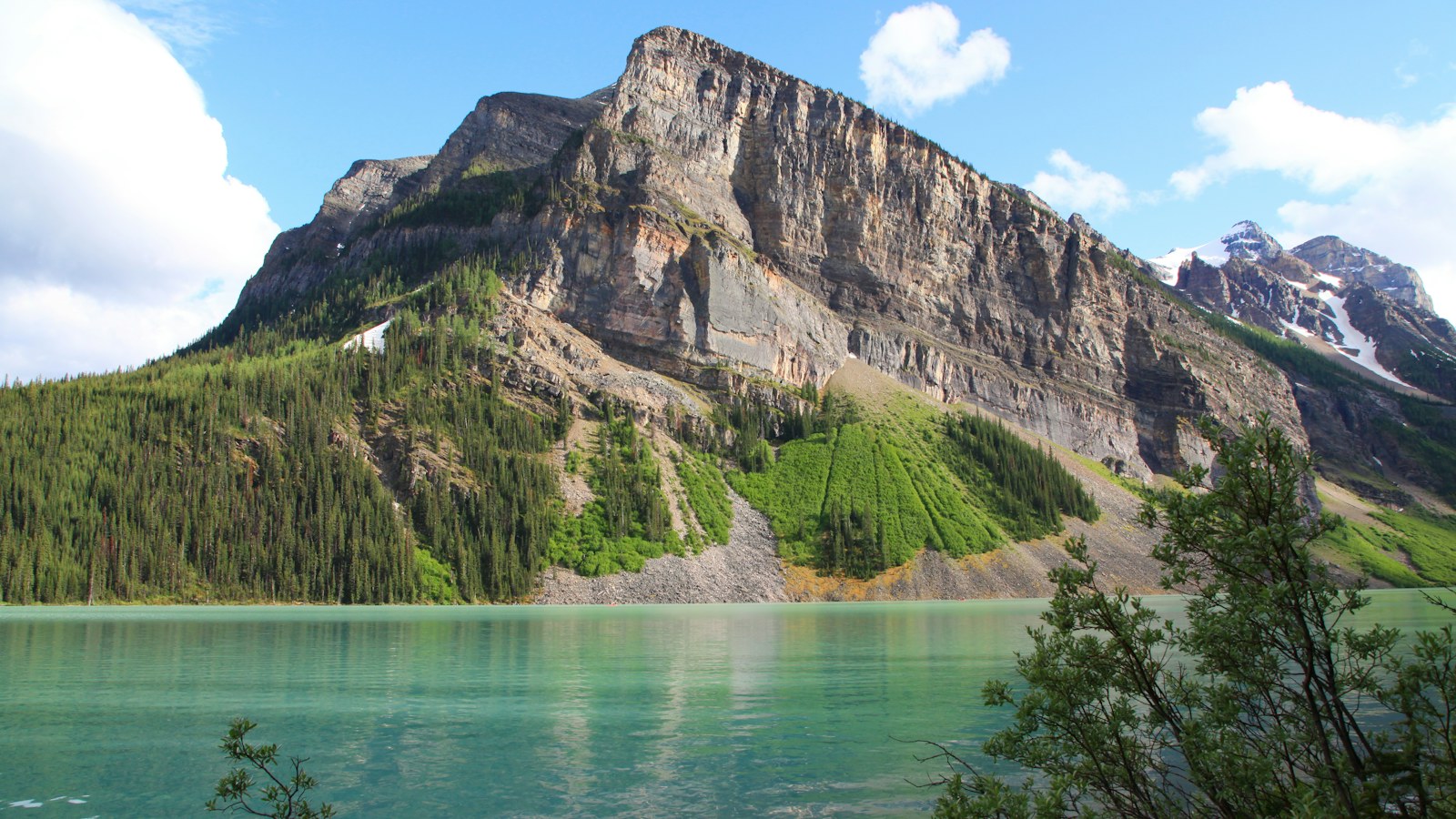
The Canadian Rockies are a region of mountain lakes, forests, glaciers, and small communities. It is tempting to fill every day with distant viewpoints, but drive times, weather, and access rules deserve as much attention as the scenery. A satisfying trip chooses a few areas and leaves room for the journey between them.
Choose a route and a base
Banff is convenient for many well-known sights and has a broad range of services. Canmore offers a town base just outside the national park. Lake Louise is closer to several popular lakes and trails but has fewer services. Jasper opens access to another stretch of mountain scenery and may suit a longer point-to-point trip. Compare actual distances before deciding where to sleep each night.
For a short visit, staying in one area can save time and reduce packing. For a longer trip, two bases may help avoid backtracking. Check the rental’s parking, kitchen, laundry, and access details. In a smaller community, confirm how far it is to groceries and whether winter roads or seasonal services affect your dates.
Build days around one main area
Plan one day around Banff and a nearby walk, another for the Lake Louise area, and a third for a trail or scenic drive that matches your group’s abilities. Popular lakes and trailheads may have parking rules, shuttle systems, or access limits that change by season. Check official Parks Canada and local visitor updates close to travel, and make a backup plan before setting out.
Prepare for mountain conditions
Weather can shift quickly. Bring layers, rain protection, sturdy shoes, and sun protection even for a short outing. Choose a hike suited to the least experienced person in your party, carry water and snacks, and turn back if conditions change. Observe wildlife from a safe distance, never feed animals, and follow park guidance about food storage and trails.
A vehicle can help connect communities, but seasonal shuttles may work for some routes; check current services and fares. Download maps for offline use and allow extra time for road conditions and stops. The Rockies are not a race between famous lakes. A quiet morning walk or unhurried afternoon in town can become the day you remember most.
Choose a Rockies base by the trip you want
The Canadian Rockies cover a wide area, so your first decision is which gateway town best matches the activities you care about. Banff works for travelers who want a walkable town base and access to a range of nearby day outings. Canmore has a more residential feel and may suit a longer stay, while Lake Louise places you closer to certain mountain walks but offers fewer services. Jasper can anchor a northern itinerary, though the drive between regions takes time.
Avoid treating the map as a promise of quick travel. Mountain roads, weather, construction, wildlife stops, and seasonal traffic can affect journey times. Pick fewer bases and leave more nights in each place if you want room for hikes and scenic pauses. When comparing vacation rentals, check parking, kitchen access, laundry, distance to groceries, and whether transit or shuttle options serve the area during your dates.
Plan around access, not only scenery
A scenic lake or trail may require a reservation, shuttle, parking permit, or a particular arrival window. Rules change by season, so confirm access with the relevant park authority before building a day around one attraction. Keep a second choice in the same general area in case parking fills, a trail closes, or conditions change. This small backup prevents a long drive from becoming a frustrating search for an alternative.
For popular areas, start early only when that genuinely improves your visit and your group can manage the timing. Carry layers, food, water, and a route map, especially if mobile service may be limited. Check trail length and elevation against the least experienced person in the group. A shorter walk with time to observe the landscape can be more memorable than a difficult route added solely to reach a famous viewpoint.
Build a balanced day in the mountains
Use one main outdoor activity as the anchor for each day. Pair a morning walk with a relaxed lunch and a nearby viewpoint, rather than trying to cross several valleys before dinner. If your group includes different fitness levels, choose a location where some travelers can enjoy a short stroll while others take a longer route, then meet at a clear landmark.
Leave space for rest in your itinerary. Altitude, sun exposure, and a full day in a vehicle can leave people tired even when the schedule looks light. A flexible afternoon can become a town walk, a picnic, or a quiet hour at the rental. Check current park notices and weather on the day of the outing; mountain conditions can differ from those in town.
Move through the region responsibly
Wildlife sightings are exciting, but animals need room and should never be approached or fed. Follow posted distance guidance, do not stop in unsafe places on roadways, and use designated pullouts for photographs. Keep food and waste secured according to local rules. In fragile alpine settings, stay on marked paths to protect plants and prevent erosion.
If you rent a car, check road conditions and parking requirements before departure. Keep fuel and meal stops in mind when traveling between communities, and do not assume every service stays open late. Public transit and shuttles may work well for some routes, but schedules and service areas vary. Verify the latest route details with the local operator and give yourself a comfortable buffer for transfers.
Prepare for changing mountain weather
Conditions can change quickly, so pack a light insulating layer and rain protection even when the morning appears clear. Sun protection matters at elevation, and sturdy footwear helps on uneven ground. In cooler seasons, confirm whether the rental has suitable heating and whether the access road is maintained for the expected conditions. Do not rely on a host’s general seasonal description as a current road or trail report.
If a route is closed or the forecast turns poor, switch to a lower-risk plan such as a short town walk, visitor centre, or indoor attraction. Tell someone your planned route when taking a longer hike and follow local safety guidance. Treat wildlife and weather notices as part of trip planning, not as optional details. Official park updates are the best place to check current closures and advisories.
Book lodging for practical comfort
For a multi-night stay, a kitchen can help with early breakfasts and packed lunches, while laundry may be useful after outdoor activities. Confirm the number of beds and bathrooms, parking arrangements, quiet hours, and whether the property is close enough to the services you expect to use. A rental farther from town may offer a peaceful setting but can require more driving for groceries and dinner.
Compare the total cost across the trip, including cleaning, taxes, parking, and transportation. Check cancellation terms if your plans depend on weather or seasonal access. Save directions and check-in details before leaving an area with weak reception. For a larger group, agree on a morning departure plan so one slow start does not disrupt a timed shuttle or reservation.
Common questions about a Rockies trip
How many nights should you stay? A week allows a more comfortable introduction to one or two areas; shorter trips work best when they focus on one base. Do you need a car? It depends on your accommodation and planned outings. Some popular areas have seasonal transit or shuttles, but a car may be useful for connecting towns and reaching less-served places. Confirm current transport before choosing a rental.
What should you book first? Secure the accommodation and any required access reservations for dates that are in high demand, then fill in flexible outings. Are all hikes suitable for beginners? No; review distance, elevation gain, terrain, and current conditions rather than relying on a photograph. Use our flexible trip-planning guide to keep a backup option in your schedule.