Costa Rica is often described as a small country, but traveling between forests, volcano areas, and coasts can take longer than a map suggests. Road conditions, weather, and terrain shape the journey. For a more comfortable holiday, choose a few regions that match your interests instead of changing accommodation every couple of nights.
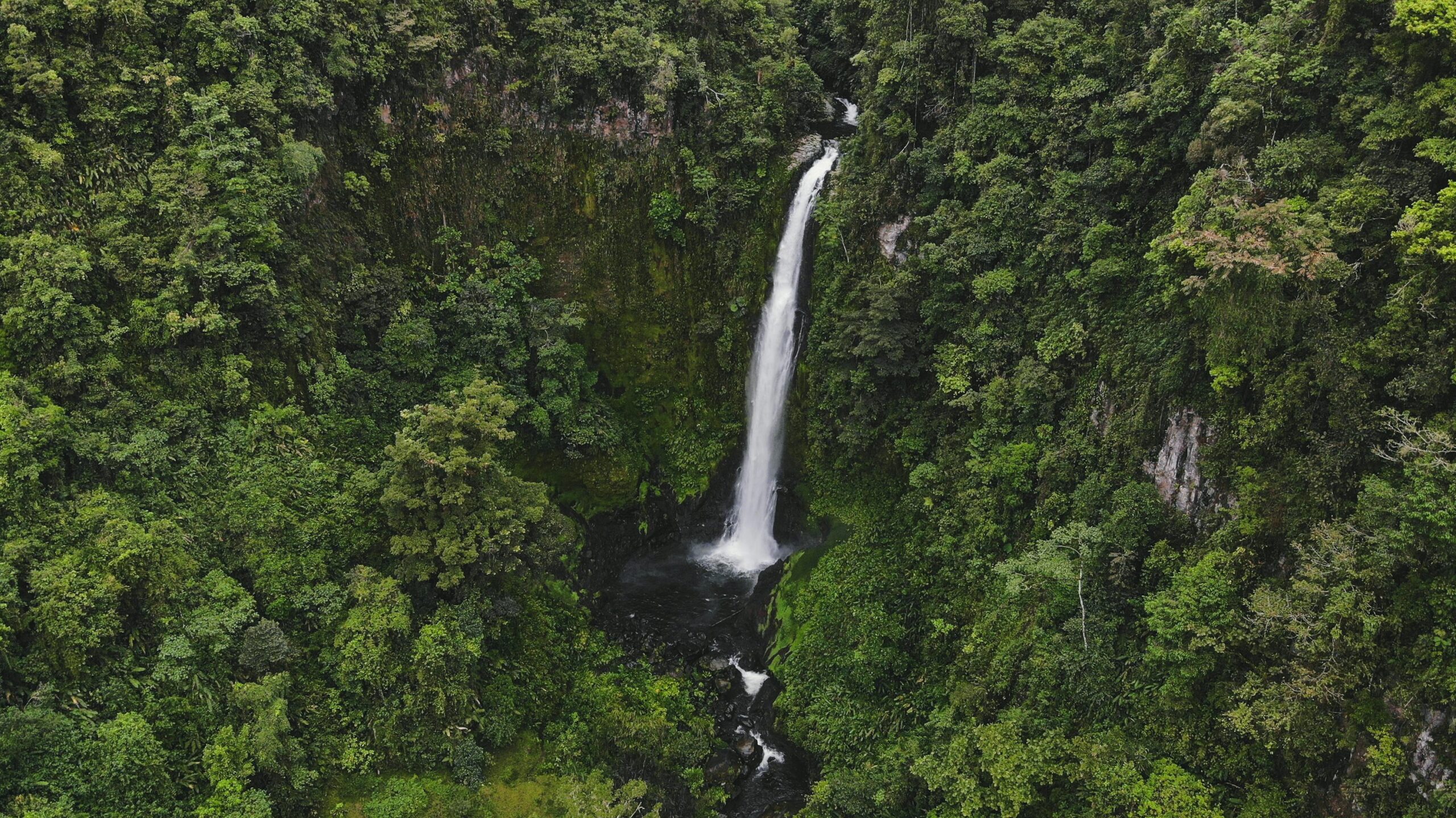
Build a route around what you enjoy
Combine one inland nature stop with either a Pacific or Caribbean coast if your schedule allows. A forest stay can suit guided walks and wildlife watching; a coastal base may be better for beach time and water activities. Estimate door-to-door travel time, including transfers or ferry connections. If you arrive late, consider a first night near the airport rather than setting off on a long drive while tired.
Ask your host about road access, especially if the property sits beyond a paved road. Confirm whether a regular rental car is suitable, whether groceries are nearby, and what happens if weather affects arrival. A lodge can make guided activities and meals easier; a vacation rental may offer more space and a kitchen for a longer stay.
Enjoy wildlife responsibly
Choose a reputable local guide who explains the habitat and keeps visitors on appropriate paths. Wildlife sightings are never guaranteed, and ethical tours do not promise close contact or encourage feeding and handling. Stay on marked trails, keep voices low, and leave no food or rubbish behind. Binoculars and a camera zoom are better tools than approaching an animal.
Keep plans flexible
Rain patterns vary by region and time of year. Check local conditions for each stop, pack a light rain layer and shoes with good traction, and have a shorter walk or relaxed café day as a backup. Before paying for excursions, review weather and cancellation policies. For protected areas, use official visitor information to confirm entry arrangements.
Plan a manageable driving day, keep water and snacks handy, and avoid unfamiliar rural routes after dark where possible. With fewer transfers, thoughtful lodging, and respectful wildlife viewing, Costa Rica can feel both adventurous and restorative.
Choose an area that fits your priorities
Costa Rica offers very different experiences across its coasts, highlands, and inland towns. A Pacific beach base can work well for surfing, sunsets, and wildlife outings, while the Caribbean side has its own pace, food traditions, and weather patterns. The Central Valley can be practical for an arrival or departure night, and mountain areas suit travelers who want cooler air and forest walks. Pick one region at a time if your stay is short; driving between far-apart areas can consume a large part of a day.
Compare a rental’s access as carefully as its location. Ask whether the final road is paved, whether a standard vehicle can reach the property in the expected season, and how far it is from groceries and medical services. Confirm water, power, internet, air conditioning, and mosquito screens if those details matter to your group. A remote cabin may be appealing, but make sure everyone understands the travel time and available facilities.
Keep travel days simple
Road travel can take longer than distance estimates suggest because routes may be winding, wet, or affected by traffic and conditions. Avoid scheduling a major activity immediately after a long transfer. If you are renting a car, check the provider’s insurance terms and the vehicle’s suitability for your route before leaving the airport. Never assume that four-wheel drive is needed everywhere, but do confirm local road advice for remote accommodation.
For longer distances, compare a rental car with shuttle, bus, or domestic flight options. Each has trade-offs in flexibility, price, luggage limits, and departure times. Book only with a clear understanding of what is included and how delays are handled. Save the exact address and offline directions for your stay; the pin on a map may not identify a gate or final turn clearly.
Enjoy nature without overloading the schedule
Choose one main outing each day and allow time for the natural setting. A guided walk in a forest reserve can provide context about plants and wildlife, while a beach day may be best kept flexible around tide, heat, and local conditions. Review the official site’s access information before visiting protected areas, including any reservation, guide, or visitor rules.
Wildlife is best observed at a respectful distance. Do not feed animals, touch them, or use flash where it is prohibited. Bring a reusable water bottle, sun protection, and light rainwear, and use insect repellent according to its label. Follow marked trails and local guidance near rivers, surf, and waterfalls; conditions can be dangerous even when the water looks calm.
Plan for regional weather differences
Costa Rica does not have one uniform climate. Conditions vary by coast, elevation, and season, and rain can influence road access as well as outdoor plans. Check a current forecast for each region rather than relying on a single national summary. If your itinerary crosses multiple areas, pack layers and quick-drying clothing, and protect electronics and important documents during transfers.
During wetter periods, leave extra time on roads and consider a flexible cancellation policy for activities that depend on conditions. In sunnier periods, schedule exposed walks earlier and plan shaded breaks. Confirm that your lodging has the amenities you expect for the season, especially cooling, fans, screened windows, or reliable transport. Ask the host about current access conditions instead of assuming the road is unchanged from an older review.
Choose experiences with care
A locally operated tour can make an outing easier and support people who know the area. Compare the group size, activity length, transport, safety equipment, cancellation terms, and what is included. For wildlife trips, select operators that follow clear animal-welfare practices and do not promise touching, feeding, or guaranteed sightings. A responsible guide should explain how visitors can observe without disrupting the habitat.
For beaches and water activities, check the local conditions and follow lifeguard or operator instructions. Do not enter the water if the surf or currents are beyond your ability. If traveling with children, identify shaded rest spots and the nearest facilities before a long excursion. A shorter, well-matched activity often works better than a full-day tour that leaves the group exhausted.
Book a stay that matches your group
Families may prioritize kitchen space, safe sleeping arrangements, laundry, and a predictable route to food. Couples may prefer a quiet setting, while remote workers need to confirm internet reliability rather than relying on a listing badge. Ask about nearby construction, check-in hours, parking, and what happens if weather delays your arrival. A clear reply from the host before booking can resolve practical questions.
Compare the total nightly cost with transport and meal costs. A low-priced property far from town may become more expensive if you need a car or daily transfers. Review cancellation terms, house rules, guest limits, and any security deposit. Keep booking communication inside the platform and save the address and arrival instructions offline.
Questions travelers ask before going
Is Costa Rica suitable for a first nature-focused trip? Yes, if you choose a manageable region and plan around transport and weather rather than trying to see the whole country. Do you need a car? Some visitors value the flexibility, while others prefer shuttles or organized tours. Compare actual routes, road conditions, and your comfort with driving before deciding.
How many bases make sense? For a week, one or two bases can leave time to enjoy each area; more changes usually mean more packing and transfers. Should you reserve every outing? Book activities that require limited capacity, but keep weather-dependent days flexible. For lodging, our vacation-rental comparison guide can help you evaluate access, amenities, and full cost.