The Sacred Valley brings together Andean scenery, historic sites, markets, and communities with their own rhythms. Many travelers pass through on the way to Machu Picchu, but the valley deserves time of its own. A slower stay can also give you more room to rest and adjust to the altitude.
Choose a base and settle in
For a rental, confirm heating, hot water, Wi-Fi, stairs, and the exact location. Nights can be cool, so ask what bedding and heating are provided. Verify that a taxi or transfer can reach the property. If you plan to use public transport, check current schedules and stop locations rather than relying on an old itinerary.
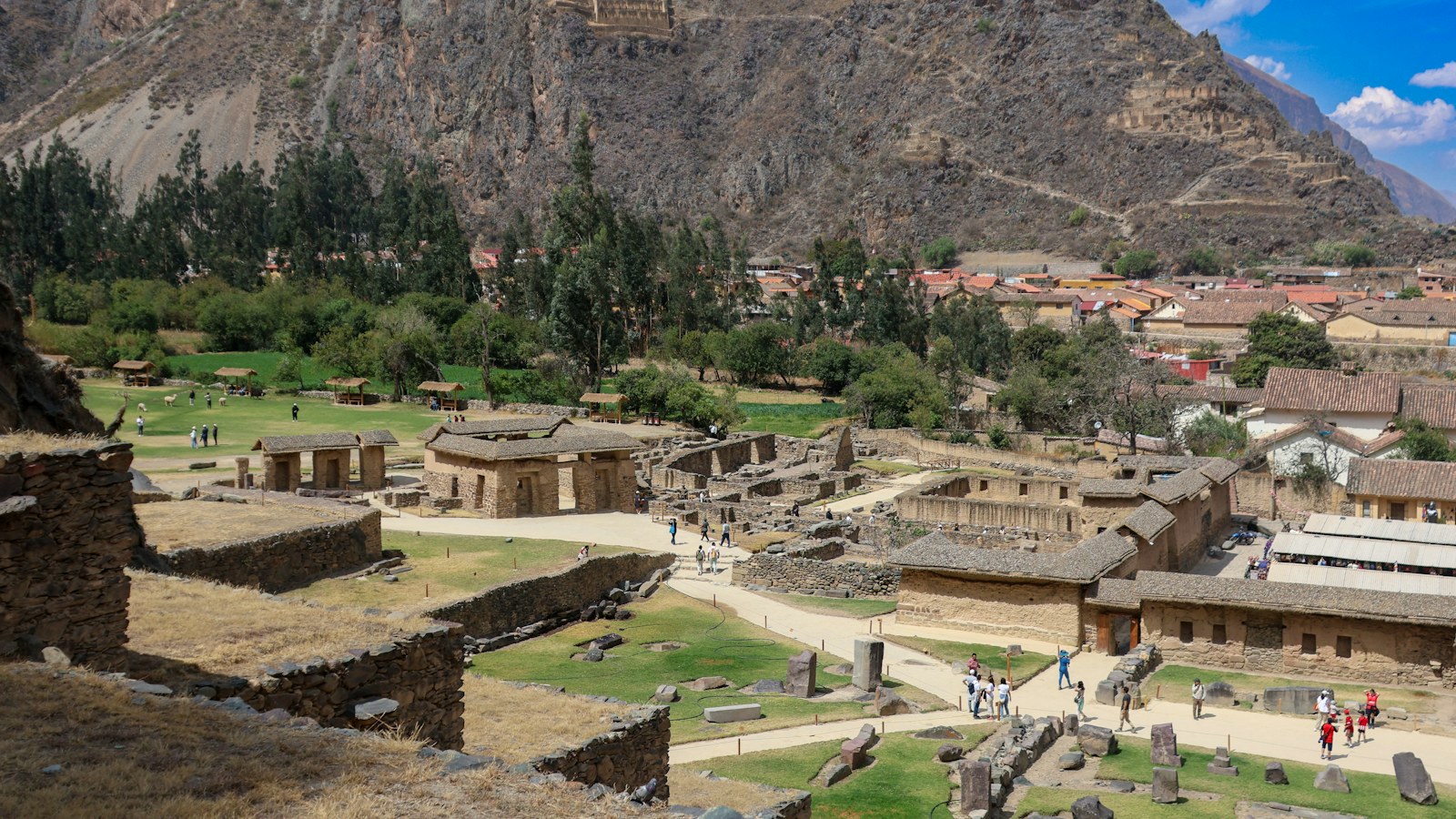
Ollantaytambo offers a historic center and connections used by many travelers. Urubamba has a broader range of services and accommodation, while Pisac can suit visitors interested in its market and surrounding scenery. Compare travel times to the places you plan to visit and decide whether you prefer a town base or a quiet countryside stay. Do not assume a remote property is close to restaurants or transport.
Plan around a few meaningful experiences
Choose one or two archaeological sites or cultural activities for each day, and check official access information and ticket requirements before travel. A market visit pairs well with a relaxed meal and a walk through town. If Machu Picchu is part of your trip, organize entry and transport through official channels well ahead of time, and allow a buffer for connections.
Make lodging and transport work together
Ask before photographing people, respect local customs, and support local guides and businesses where possible. A thoughtful Sacred Valley visit leaves room for acclimatization, meaningful walks, and conversation with people who know the region. Keep the plan flexible and let the landscape set a gentler rhythm.
Altitude affects people differently. Keep your first day light, drink water, and seek qualified medical advice if you have health concerns. Avoid strenuous hikes immediately after arrival and adjust plans if you feel unwell. Ask your host how to arrange reliable transport and where to find nearby services.
Choose a base that matches your plans
The Sacred Valley is a region rather than a single town, and the location you choose shapes how much time you spend on roads. Urubamba can be a practical central base with services, while Ollantaytambo offers a compact historic setting and useful onward connections for some itineraries. Smaller villages may feel quieter but can require more planning for meals and transport. Cusco is a separate high-altitude city that many travelers visit before or after the valley.
Compare travel times and altitude when choosing where to sleep. If anyone in your group is adjusting to elevation, consider a gradual plan and follow advice from a qualified health professional. Check your rental’s heating, hot water, stairs, transport access, and check-in arrangements. Cold nights can feel more pronounced than daytime temperatures suggest, so confirm the bedding and heating setup.
Plan visits around tickets and transport
Some archaeological sites and museums use specific tickets, routes, or entry windows. Confirm current entry rules through official visitor information before buying or arranging a day around a site. If you are connecting to a train or another reservation, allow a generous buffer for road conditions and pickup coordination. A local guide can help explain history and logistics, but agree on the service and cost in advance.
Avoid visiting several distant sites in one rushed day. Select a smaller group of places and give yourself time to walk, ask questions, and rest. For a site with stairs or uneven paths, check accessibility information directly. Keep your ticket, identification, and transport confirmation accessible, and understand what happens if weather or a delay affects your arrival.
Move between towns thoughtfully
The valley is commonly explored by a mix of train, bus, taxi, and prearranged transport. Each option has different routes and schedules, so confirm the exact departure point, luggage allowance, and return plan. If you hire a driver or book a tour, verify what is included and how long the day will last. Avoid leaving transport arrangements until the end of an evening in a smaller town.
For a flexible day, group visits geographically and avoid backtracking. Carry small cash only where appropriate and keep valuables secure during transfers. Save the address of your accommodation and the contact information for your host. If you travel independently, ask your lodging for current local transport guidance, then confirm schedules with the operator rather than relying solely on an old online post.
Prepare for altitude and changing conditions
Altitude affects travelers differently, and the Sacred Valley and Cusco have different elevations. Plan a gentler first day, drink water, eat lightly if that suits you, and do not schedule strenuous hikes immediately after arrival. Anyone with health concerns should seek individualized advice from a medical professional before travel. If symptoms feel serious, stop activity and seek qualified medical help.
Days can be sunny while mornings and evenings feel cool. Pack layers, sun protection, comfortable walking shoes, and rain protection for the season. Check forecasts and site notices close to the visit. If a walk or viewpoint becomes too demanding, choose a shorter route; there is no need to complete every activity in one day.
Learn through local context
The region’s communities, markets, and agricultural landscapes are part of its identity. When visiting a market, ask before photographing vendors and respect that the space serves local residents as well as visitors. If you purchase crafts, ask about materials and how to carry them safely. Consider a locally run guide or workshop when it offers clear terms and a meaningful explanation of the place.
At cultural and archaeological sites, follow marked paths and posted rules. Do not touch or climb structures that are protected, and keep noise low during visits. When a guide shares an explanation, listen and ask questions respectfully. A slower visit that includes time with local context can be more valuable than a long list of stops.
Book accommodation for rest and access
After a day of walking and transfers, a comfortable base matters. Confirm heating, hot water, breakfast or kitchen access, and how to reach the property from the main road. Ask whether the host can arrange a transfer if you arrive with luggage or at a late hour. Check whether there are restaurants or shops within walking distance, especially if you will not have a vehicle.
Compare the complete stay cost, cancellation policy, and house rules. If your itinerary includes an early train, find out how to reach the station and whether breakfast service starts in time. Keep one flexible afternoon for rest or a nearby walk. For broader planning, review our guide to a flexible itinerary and our rental booking checklist.
Questions before traveling to the Sacred Valley
Should you stay in Cusco or the valley? Many travelers use both, but the right sequence depends on altitude, transport, and planned sites. How many nights are useful? Several nights in the region allow a calmer pace and reduce repeated transfers. Do you need a guided tour? A guide can provide context and simplify transport, but compare independent options and current entry requirements.
Can you plan a visit without a car? Yes, but you should confirm how to connect between towns and attractions for your dates. Is the valley suitable for everyone? The elevation, walking surfaces, and travel time should be considered individually. Plan around comfort, ask for help when needed, and verify current local information before booking.