Porto’s tiled façades, steep streets, cafés, bridges, and riverfront reward visitors who slow down. The city is compact enough for a short stay, but its hills and cobbled lanes can make a long day tiring. Choose a base that suits your walking comfort and give each neighborhood time.
Where to stay
Porto is more enjoyable when you leave room for a river walk or an unexpected café stop. A well-located rental, a few neighborhood-focused days, and a realistic walking plan can make the city feel welcoming rather than exhausting.
For a rental, ask about stairs, elevator access, street noise, air conditioning, and luggage drop-off. Older buildings may have compact rooms or steep staircases, so confirm the sleeping arrangement and bathroom details. Check the route from the airport or station and how easy it is to reach the entrance with bags.
A relaxed Porto itinerary
Spend one day exploring the central neighborhoods, choosing a few landmarks and leaving time for cafés and side streets. Another day can focus on the riverfront and a bridge crossing, with an unhurried meal rather than a chain of timed stops. If you want a river cruise or tasting experience, check current schedules and book directly with a reputable operator. A third day might include a garden, museum, or nearby excursion depending on your interests.
Wear shoes with good grip for cobbles and slopes. Transit can help with a longer uphill journey; check current routes and fares before leaving. In warm weather, plan outdoor walks for cooler parts of the day and carry water. In rain, move a garden walk to another time and choose an indoor attraction.
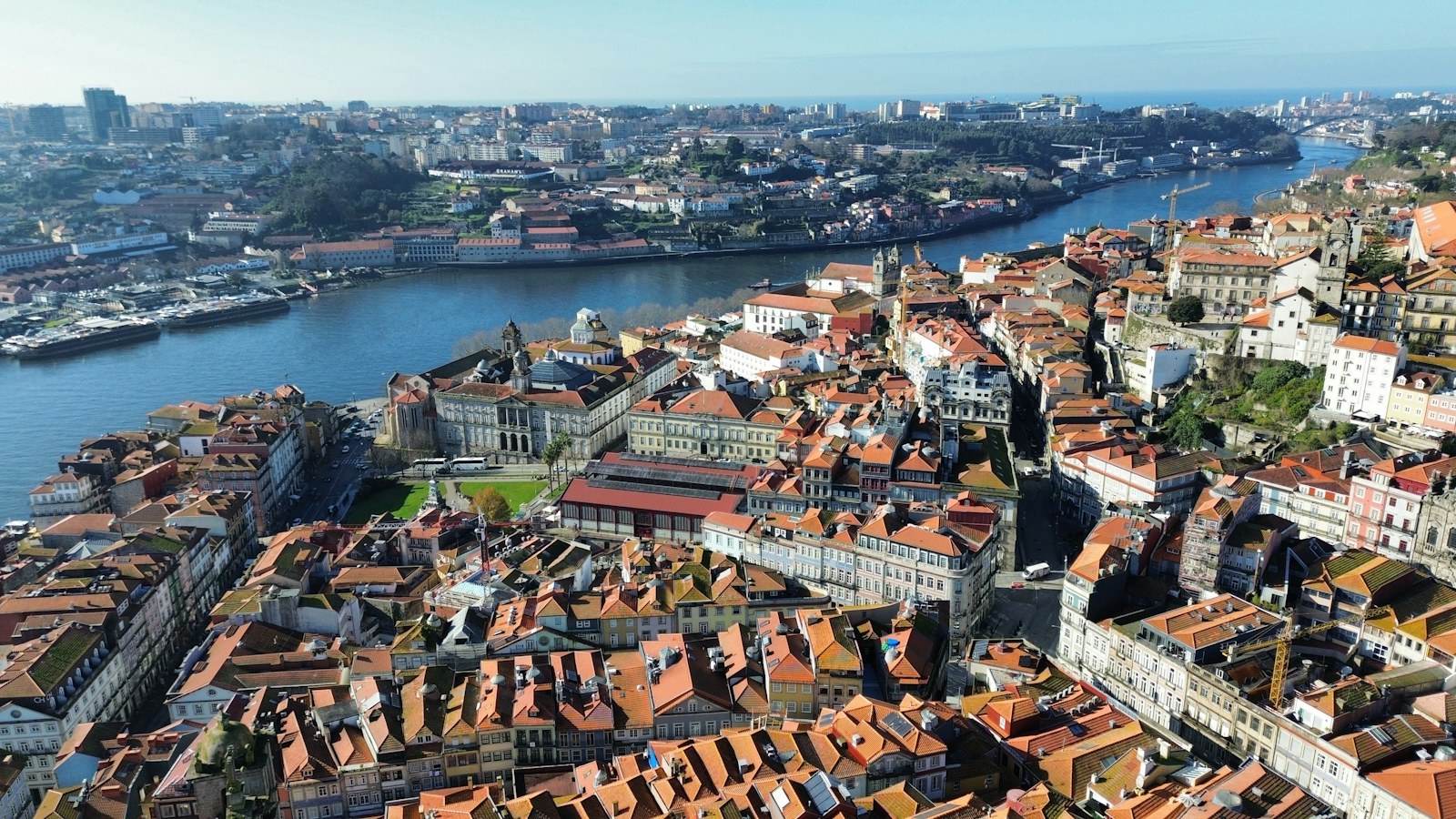
The historic center places many sights and restaurants within reach. Ribeira is atmospheric and close to the Douro, but its streets can be steep and busy. Around Aliados and Bolhão, visitors may find convenient transit and shopping. Across the river in Vila Nova de Gaia, the waterfront offers a different perspective; account for the crossing when planning your days. Compare exact addresses rather than relying on neighborhood names alone.
Choose where to stay along the river
Porto’s hills, bridges, and riverfront create distinct neighborhoods within a relatively compact city. Ribeira places visitors close to the waterfront and historic streets, but its lanes can be steep and busy. Baixa and Aliados are useful for central transit and restaurants, while Cedofeita offers a more residential feel with galleries and cafés. Vila Nova de Gaia, across the river, can provide striking views and a different approach to the city.
Check the exact walking route from your accommodation to the nearest station or river crossing. Elevation matters: a location that looks close may involve a steep climb after a long day. Confirm air conditioning or fans for warm months, heating for cooler evenings, luggage access, and whether the building has stairs. If you arrive by train, compare routes from Campanhã or São Bento to your stay.
Explore the city in manageable areas
Spend time around the historic centre and river on one day, then explore another area such as Cedofeita or Gaia on a separate day. Porto’s streets invite pauses, and the views from bridges and riverside paths often take longer to enjoy than a quick itinerary allows. Choose a few key interiors or museums in advance and check current entry details rather than trying to enter every landmark.
A visit to a wine cellar in Gaia can be an interesting experience, but compare the tour format, language, length, and tasting details before booking. If you are traveling with children or anyone who does not drink, check whether the visit still works for the group. Leave enough time to return across the river and avoid scheduling a reservation too tightly after a tour.
Manage hills, transit, and day trips
Walking is rewarding in Porto but involves slopes and uneven paving. Comfortable shoes with grip make a difference, and a slower pace helps when climbing from the riverfront to higher streets. Metro, buses, and trams can reduce effort on longer routes. Check current fares and service information with the operator and verify which station is closest to the specific attraction or accommodation.
If you plan a day trip, choose one destination and review the departure station, return times, and ticket rules. Do not assume that a late train or bus will be available after dinner. Keep a backup return option and allow time to get to the station across town. A day trip should complement your Porto stay rather than consuming every available day.
Find memorable meals without rushing
Porto has a range of casual cafés, neighborhood restaurants, and traditional dishes. Look for a place that fits the area you are exploring and check the menu and current opening times before making a special journey. For a popular restaurant, reserve if the venue recommends it, but leave some evenings open for a simpler meal near your lodging.
If you have food allergies or dietary requirements, contact the restaurant directly to confirm how dishes are prepared. Markets can be enjoyable for a light lunch or snack, but check seating and opening times. A relaxed meal with time to talk is a better way to experience the city than trying to sample several places in one evening.
Respect the old city and its neighbors
Historic streets can be narrow, and some buildings are homes as well as visitor sites. Keep entrances clear, lower voices late at night, and ask before photographing residents or private spaces. When visiting churches, museums, and cellars, follow posted instructions on dress, photography, and behavior. Use designated crossings and take care near the river and bridge approaches.
The Douro waterfront can be busy, especially around sunset. Choose a safe place to stop for photos rather than blocking a walkway or leaning over barriers. If rain makes polished stones slippery, slow down and choose a route with fewer steep sections. These small practical choices help make a city break more comfortable for everyone.
Pick a rental for a city break
For a short stay, prioritize location, clear check-in, good sleep, and easy access to transit. Ask about noise from bars or street activity if your room faces a busy lane. Confirm whether the building has an elevator, whether the kitchen is equipped for simple meals, and where luggage can be left after checkout. A quiet stay a few blocks from the river may be preferable to a room directly above a late-night street.
Compare the total price, taxes, cleaning fees, and cancellation terms. If your arrival is late, agree on the check-in process in advance. Save the address and arrival directions offline. Our rental selection guide can help you compare amenities with the needs of your group.
Questions for a first Porto visit
How many days are useful? Two or three full days allow time for the historic centre, the river, Gaia, and a slower meal. Add a day if you want an excursion. Is Porto easy to explore on foot? Central sights can be walked, but hills and uneven surfaces matter. Use transit when you want to save energy or return after a long day.
Which side of the river is best for lodging? Porto itself suits travelers who want city streets and transit; Gaia may suit those who want a different view and cellar visits. Can you visit the Douro Valley in one day? A day trip may be possible, but confirm the travel time and tour schedule. Use our weekend itinerary guide to plan enough time between stops.