Hawaiʻi Island, often called the Big Island, is large enough that a single base may not suit every itinerary. Coast, uplands, gardens, and volcanic landscapes are separated by long drives, and weather can differ from one side to another. Choose the experiences that matter most, then decide whether one or two bases make sense.
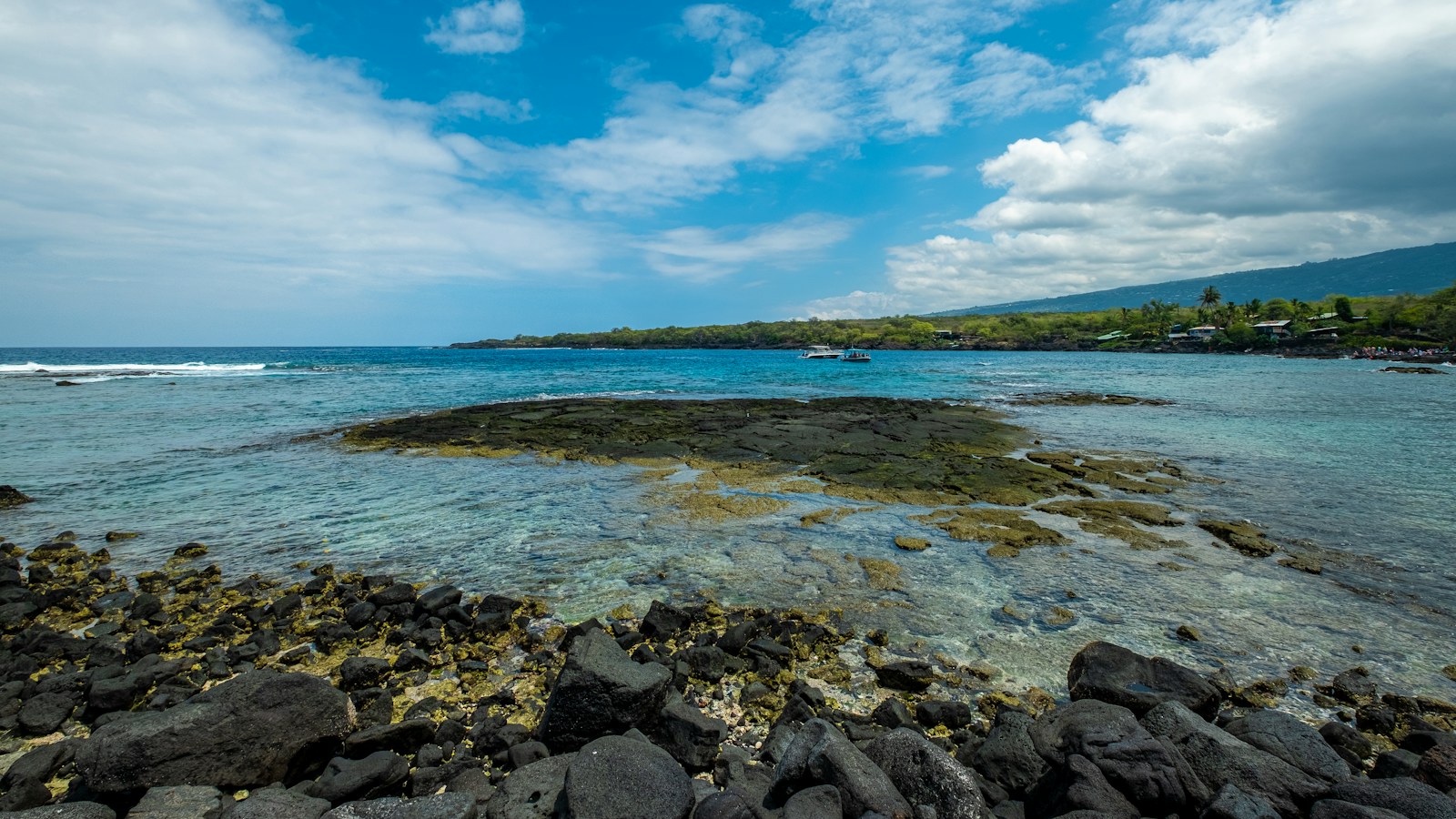
Choose a practical home base
The Big Island is easier to enjoy when you keep driving manageable and leave time for the place where you are staying. Choose a base that supports your priorities, check current conditions, and approach the island with care.
Look for parking, a useful kitchen, laundry access, and sleeping conditions that suit the climate. Confirm the route to the property and whether a car is essential. Ask about water use and check-in instructions, especially if you will arrive after dark or from a long flight.
Kona offers many visitor services and access to coastal activities. Hilo has a greener, rainier feel and is a practical base for gardens and nearby waterfalls. Staying closer to Hawaiʻi Volcanoes National Park can make a visit easier, but lodging and services may be more limited. Check current drive times, weather, and groceries before choosing a rental.
Travel with respect for place
Stay on marked paths, follow closures, and do not remove rocks, sand, or natural materials. Ask before photographing people or private property and follow cultural-site guidance. For swimming, get local advice about currents and conditions; not every beach has lifeguards.
Spend one day near your accommodation, another on a nearby coast or town, and reserve a separate day for a longer drive. Check park conditions, entry information, and road notices through official sources before setting out. For an ocean activity, choose a reputable operator and ask about weather policies, safety equipment, and group requirements.
Choose a base on the island’s different coasts
The Big Island is large, and its regions feel distinct. Kailua-Kona is a convenient base for west-side beaches, restaurants, and many visitor services. Hilo offers a greener, rainier setting on the east side and access to waterfalls and gardens. Volcano Village can suit travelers who want an early start for Hawaiʻi Volcanoes National Park, while resort areas offer easier access to particular beaches and amenities. Pick a base according to your planned days rather than trying to drive across the island repeatedly.
Driving distances can be longer than they appear because roads curve around the terrain and activities are spread out. Decide whether you want to split your stay between two regions; if you do, include the check-out, transfer, and check-in time in the plan. Compare a rental’s location with the beaches, groceries, and services you expect to use. Ask about parking, air conditioning, laundry, and any local house rules.
Plan a volcano visit with current information
The national park is a major highlight, but conditions and access can change. Check official park notices, trail closures, volcanic activity updates, and road information shortly before visiting. Do not assume that a specific feature will be visible on a particular day. Follow all safety barriers and staff guidance, and never enter restricted areas for a closer view.
A park day can involve driving, walking, and time at several stops. Choose a few priorities, bring water and layers, and avoid scheduling a tight return connection. If volcanic gases, weather, or other conditions affect access, follow official guidance and shift to an alternative such as a nearby garden or coastal walk. The landscape is compelling without needing to take risks.
Make beach days fit your group
Beaches vary in access, shade, surf, and facilities. Check current ocean conditions and follow lifeguard advice; waves and currents can be dangerous even when the shore looks calm. If there is no lifeguard, be especially cautious and choose a different activity if you are uncertain. Bring sun protection, drinking water, and footwear for hot sand or rocky entries.
For families or travelers who want an easier swim, look for a location suited to the group’s ability and confirm amenities before driving there. Pack out all waste, avoid disturbing wildlife, and follow rules about protected areas. Allow enough time to rinse off and return to your accommodation before dinner rather than trying to combine several distant beaches in one afternoon.
Respect local culture and the landscape
Hawaiʻi’s communities and sacred places deserve care. Follow posted guidance at cultural sites, ask before taking photographs of people or private spaces, and do not remove rocks, plants, or other natural materials. A visitor can learn more by using interpretive signs, local museums, and reputable guides rather than treating every place as a backdrop.
Support local businesses when possible and plan purchases, meals, and excursions with realistic expectations about distance and availability. If a rental asks guests to conserve water or separate waste, follow the instructions. Keep noise low in residential areas and park only where allowed. These choices help make a visit more respectful and reduce pressure on local resources.
Prepare for microclimates and driving
The island’s weather can differ noticeably between the sunny west, the wetter east, and higher elevations. Check conditions for each planned region rather than relying on one forecast. Bring a light layer and rain protection for upland or east-side outings, even if you start the day in warm sunshine. Confirm whether the roads on your route are open and suitable for your vehicle.
Start long drives with enough daylight and include breaks for fuel, food, and rest. Avoid driving while tired after a full outdoor day. Save offline maps and the location of your accommodation. If you plan a late return, check where parking is available and confirm that your host permits after-hours arrival.
Book a stay that suits the island
For a longer visit, a kitchen can help when restaurants are far apart or your schedule starts early. Confirm cooling, laundry, parking, and the distance to groceries. In resort areas, check what amenities are included and whether there are additional fees. For remote stays, verify the final road, internet, and access to essentials before booking.
Compare the full cost and cancellation policy, especially if your plans depend on park access, ocean conditions, or a specific tour. Read house rules carefully and confirm guest limits. If you are splitting the stay between east and west, choose check-in times that allow a calm transfer day. Our rental selection guide offers a useful checklist.
Questions for planning the Big Island
How many days should you allow? At least several days are helpful because of the island’s size; a longer stay makes it easier to explore both coasts without rushing. Is a car needed? It is useful for reaching many places, but check current transport and tour options if you prefer not to drive. Should you stay in one place? One base can work for a short visit, while a split stay can reduce cross-island driving on a longer trip.
Can you combine a volcano and beach day? It may be possible, but be realistic about distances and driving fatigue. What should you reserve early? Accommodation and any limited-capacity tours important to your dates. Keep the rest of the schedule flexible and use our itinerary planning guide to build in rest and weather alternatives.