New Orleans is a city of distinct neighborhoods, music, food traditions, and architecture. The French Quarter is an important starting point, but it is only one part of the city. A better visit gives each area time and balances lively outings with slower moments in a park, café, or local restaurant.
Build a neighborhood-based itinerary
Ask about street noise, parking, stairs, check-in, and cooling; warm, humid weather makes comfortable sleeping conditions important. Confirm a short-term rental’s current legal status and review all fees. Keep reservation communication on the booking platform.
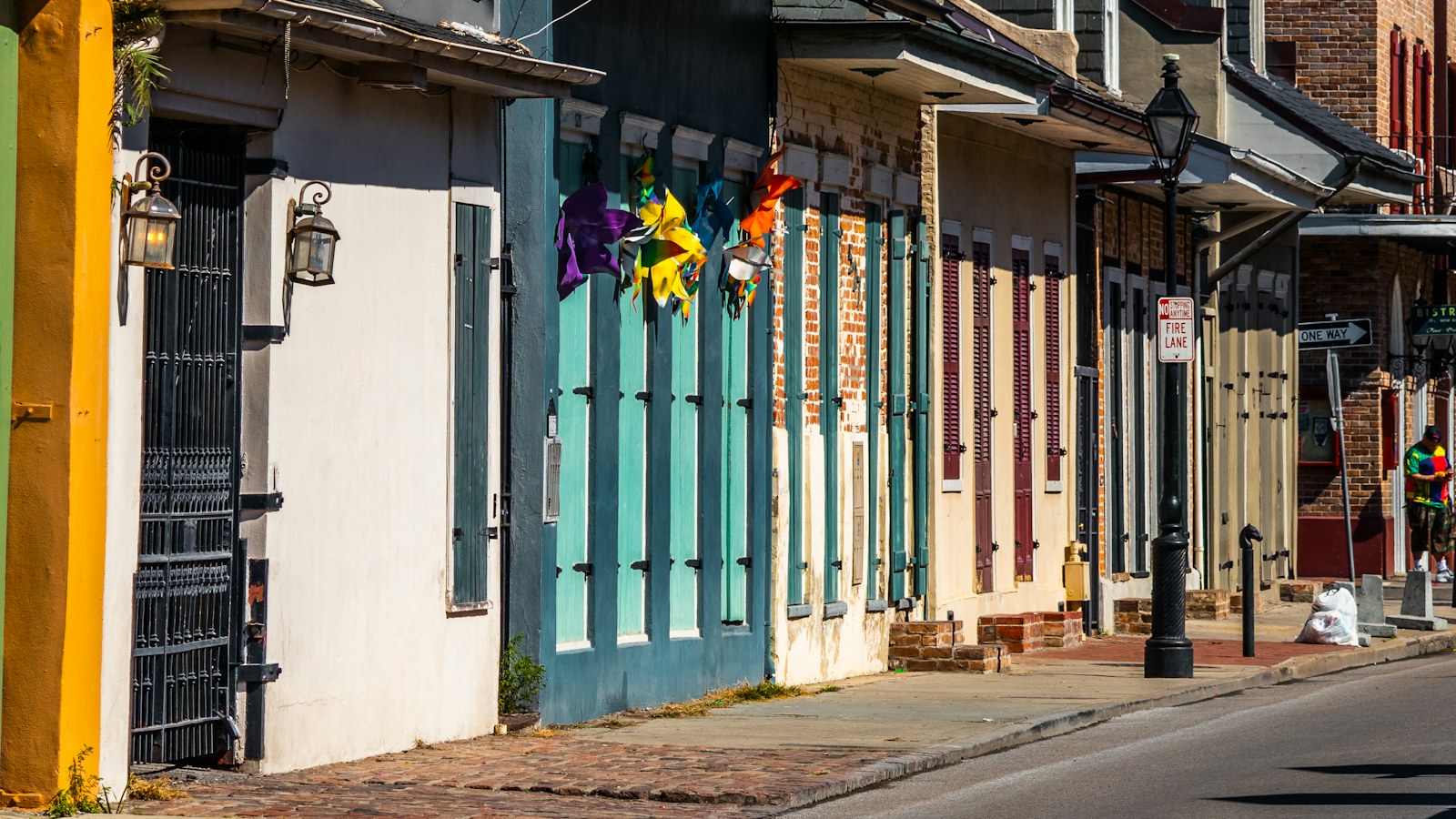
The French Quarter is convenient for historic streets, restaurants, and music venues, though it can be busy late into the evening. The Central Business District offers transit and a different city feel. The Garden District and nearby neighborhoods have leafy streets and notable architecture. Check the exact rental location, recent reviews, evening activity, and route to transit before booking.
A relaxed way to explore
Spend a morning in the French Quarter, taking time for the architecture and a café. Pair it with one museum or a riverfront walk rather than several distant sights. Use another day to explore the Garden District or a market, and choose a reputable tour if you want historical context. For live music, confirm venue details and age policies before heading out.
Enjoy the city respectfully
Try a mix of classic local dishes and neighborhood restaurants. Make reservations where appropriate, and tell staff clearly about dietary needs. Carry water and plan shade breaks in warm weather. If storms are forecast, check official weather and transit updates and move outdoor plans to another time.
Keep noise down on residential streets, ask before photographing people, and use marked crossings on busy roads. A comfortable rental and a few focused days can reveal much more of New Orleans than a packed attraction list. Leave room for music, conversation, and the ordinary details that make each neighborhood feel different.
Stay in a neighborhood that matches your evenings
New Orleans is a city of distinct neighborhoods, and the best base depends on whether you want historic streets, music venues, quiet nights, or easy streetcar access. The French Quarter is central to many first-time sights but can be lively late into the night. The Garden District offers a different residential character, while the Marigny and Bywater appeal to visitors interested in music and local dining. Compare the actual street and transit route, not just the neighborhood label.
Check recent accommodation details for noise, building access, and late-night transport. Confirm whether the property has stairs, secure entry, and clear check-in instructions. A rental near a streetcar line can be convenient, but verify current service and walking distance. If you are attending an event, look at how the neighborhood changes during that period and whether your route back is comfortable.
Build a city itinerary around music and food
A first visit can combine a walk through the French Quarter, a historic or cultural site, and an evening of live music. Choose one major activity in the morning and leave time for a meal and a slower neighborhood walk. Check event schedules and age policies directly with venues before making plans. If a performance is important, review ticket terms and the location of the venue before paying.
New Orleans food deserves more than a rushed stop between attractions. Make a short list of dishes or places you want to try, then choose options near each day’s route. Popular restaurants may need reservations or have long waits, so keep a backup nearby. If you have food allergies, ask staff directly about ingredients and preparation.
Understand transport and weather comfort
Walking works well in some central areas, but the city is spread out beyond them. Streetcars, buses, taxis, and rideshare can help, but routes and service hours vary. Check current information for the exact trip and avoid assuming a late-night return will be easy from every venue. If you plan to visit farther neighborhoods, decide how you will return before leaving.
Warm, humid weather can make long walks tiring, while heavy rain may affect streets and travel time. Carry water, choose breathable clothing, and plan indoor breaks. Check local weather alerts and official guidance, especially during storm season. If conditions change, shift to an indoor activity and avoid flooded streets; do not walk or drive through standing water.
Explore respectfully and safely
New Orleans is a living city with residential blocks, local businesses, and historic sites. Keep noise low outside nightlife areas, respect private property, and ask before photographing people. At cemeteries and places of worship, follow posted rules and consider a guided visit where access requires it. Support local businesses and avoid entering restricted areas for a photograph.
As in any city, keep personal belongings secure and stay aware of your surroundings, especially at night or in crowded settings. Choose well-lit routes, use transport when a walk feels uncomfortable, and keep your accommodation address accessible. If you are unfamiliar with the area, ask your host or a venue for current, practical advice rather than relying on a vague online recommendation.
Plan for festivals and busy dates
Major festivals can transform the city’s pace, increase accommodation prices, and affect transportation. If your dates overlap with a large event, reserve lodging early and check cancellation terms. Look at the official event schedule and expected street closures before arranging transfers. A location near the activities can be convenient but may also be noisy and crowded.
If you prefer a calmer city break, compare dates outside the busiest periods and check what will still be open. For an event trip, leave time between performances and meals, and keep a simple meeting point for your group. Do not assume that regular transit or parking arrangements will apply unchanged during a parade or festival.
Choose accommodation with a practical plan
Compare the total price, taxes, cleaning fees, deposits, and house rules. Confirm the number of beds, air conditioning, bathroom arrangement, and how check-in works after an evening arrival. If your group will use a kitchen, ask what equipment is included. Read recent comments for information about noise and parking, then verify essential details directly with the host.
For a stay outside the French Quarter, consider how you will get to dinner or music and return afterward. Ask about nearby transit, rideshare pickup, and safe walking routes. Save the property address and contact instructions. If traveling during warm months, reliable cooling and a quiet bedroom can make a meaningful difference in rest.
Frequently asked questions
How many days are useful? Three or four days allow time for a few neighborhoods, music, food, and one or two cultural visits. Is a car necessary? Many visitors can rely on walking and transit in central areas, but a car may be useful for specific excursions and can create parking costs. Is the French Quarter the best base? It is convenient for some plans but may be noisy; compare the trade-offs.
Should you book music in advance? Reserve a particular show or event that matters to you, but leave other evenings flexible. How can you plan around weather? Check forecasts close to travel and have indoor alternatives. Use our weekend getaway guide to balance activities with downtime.