Mexico City is expansive and layered, with museums, historic streets, parks, and neighborhoods that each have their own pace. For a first visit, focus on a few areas and plan one major outing each day. The city’s altitude and traffic can affect energy and travel time, so a relaxed schedule is more comfortable.
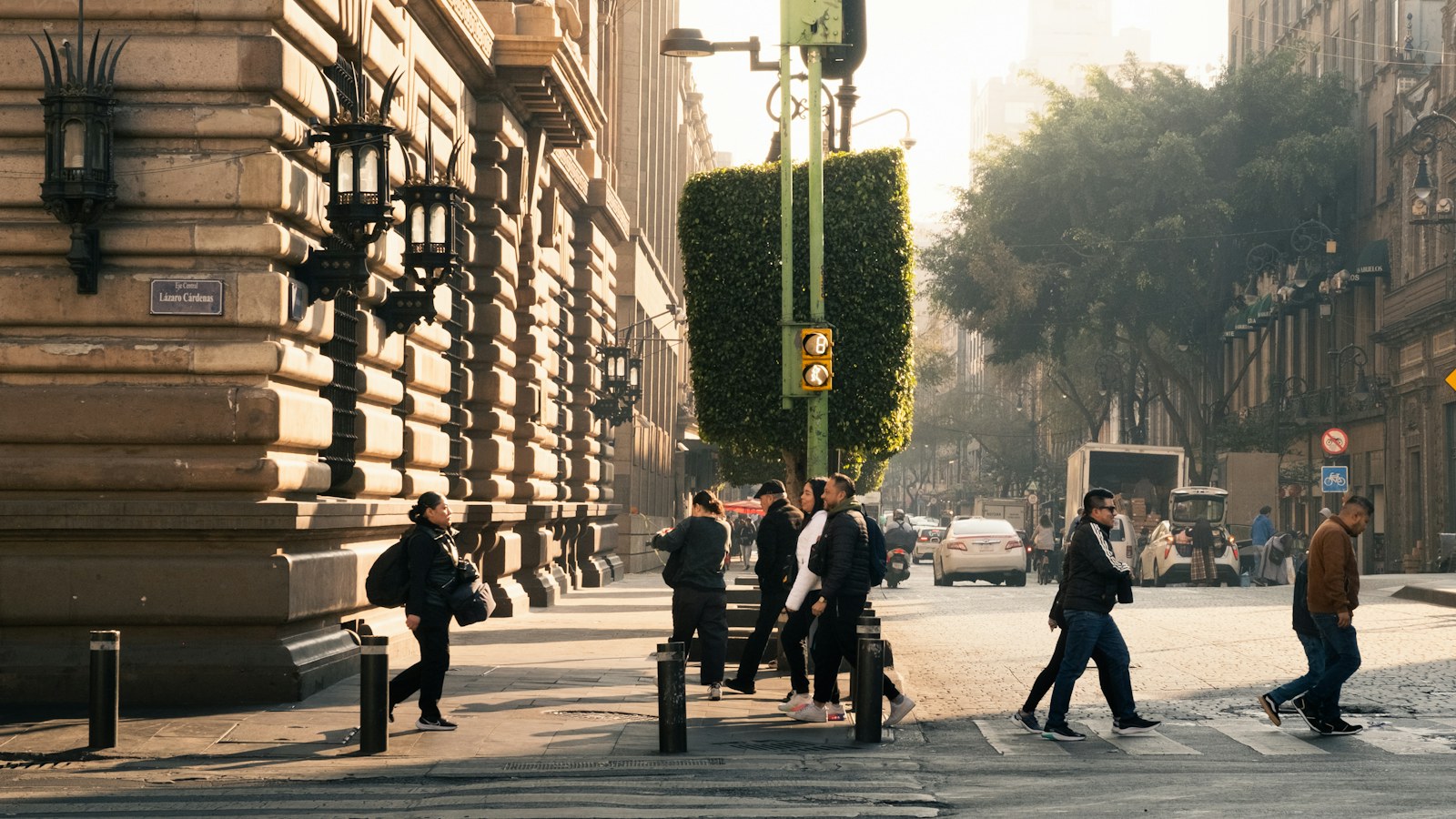
Choose a neighborhood base
Give yourself time to adjust to altitude, drink water, and keep the first day light. Traffic can make short distances slow, so group activities by location and choose reliable transport options. Check current routes and payment methods before using transit. Keep important addresses available offline and use well-lit routes at night.
Mexico City rewards curiosity, but it is easier to appreciate when every hour is not booked. Choose a convenient base, leave time for a long meal, and let one neighborhood lead naturally to the next.
Plan for comfort
Roma and Condesa suit visitors who want cafés, parks, and walkable streets. Centro Histórico places you near major landmarks and museums. Coyoacán offers a quieter residential atmosphere, though it is farther from some central sights. Check the exact rental location, transit options, noise, and building access. Use current local information to confirm the short-stay listing is permitted.
Plan one day around the historic center, checking museum hours and ticket details before leaving. Use another day for a neighborhood walk and a park, then reserve a separate visit for Coyoacán or a cultural site. For food, try a mix of established restaurants and local spots; communicate dietary needs clearly.
Choose a neighborhood that fits your visit
Mexico City is vast, and a good base can save significant time. Roma and Condesa offer cafés, parks, and walkable streets; Centro Histórico places visitors near major historic sites; Polanco is known for museums and shopping; and Coyoacán provides a different, more neighborhood-focused atmosphere. Compare transit access, evening plans, and the exact address before booking, since travel across the city can take longer than expected.
Check the route to a Metro or Metrobús stop and whether the property has an elevator, cooling, and clear check-in instructions. If you are sensitive to noise, ask about nearby nightlife or traffic. Confirm that the room has the sleeping setup you need and review cancellation terms. A central-looking map pin does not always mean quick access to every district.
Plan around altitude and a slower first day
Mexico City sits at high elevation, and visitors may feel the difference, especially after a long flight. Keep the first day gentle, drink water, and avoid scheduling strenuous exercise or a packed walking route immediately after arrival. Anyone with health concerns should seek personalized medical advice before travel. If symptoms are severe, stop activity and seek qualified assistance.
The city’s scale also affects pacing. Group nearby sights and avoid crossing from one end to another for a single meal or photo. A relaxed first day can include a neighborhood walk, a simple dinner, and time to rest. That makes it easier to enjoy the following days without feeling rushed.
Explore historic and cultural areas thoughtfully
The historic center has important landmarks, museums, and plazas that can fill a day. Check current opening details and security rules before visiting. If you want to explore an archaeological site or a major museum, allow enough time for entry and walking across the grounds. Pair nearby places rather than attempting to add several distant districts.
Coyoacán, Chapultepec, and other neighborhoods each offer a distinct experience. Check transport and hours before traveling there. Be respectful when photographing vendors, residents, or religious spaces. A guided tour can add context, but agree on the route, duration, and cost in advance and use a provider with clear information.
Get around with transit and realistic buffers
The Metro and Metrobús can cover many routes, but crowded conditions and service changes affect travel time. Check current transport information and plan an alternate route for important bookings. Use a taxi or rideshare when it makes sense for your group, but verify the pickup point and expected traffic. Save the address of your accommodation and destination offline.
Leave extra time for airport transfers and trips across the city. Do not schedule a tight connection between a museum visit and a reservation in a faraway district. If you travel at peak times, consider moving a meal or activity closer to your current location. This simple adjustment can make a day feel much calmer.
Enjoy local food safely and comfortably
Mexico City’s food culture ranges from markets and street stalls to long-standing cafés and modern restaurants. Choose places that suit your comfort level, and if you have allergies, ask directly about ingredients and preparation. For a popular restaurant, check whether reservations are needed and keep a nearby alternative in mind.
Markets can be lively and rewarding, but they are working spaces for local residents. Ask before photographing people and keep aisles clear. Drink water and take breaks from spicy or unfamiliar foods if needed. A meal close to your accommodation can be a good option on the first evening while you adjust to the city.
Choose a stay that helps you rest
Reliable cooling or ventilation, comfortable bedding, and a quiet room can matter after full days of walking. Check the building’s stairs, elevator, water arrangements, and noise. If you need internet for work, confirm its reliability. Ask how late check-in works and whether luggage can be stored before access to the room.
Compare the full cost and house rules, including guest limits, cleaning fees, and cancellation terms. Choose a location that makes your most important activities practical by transit. Our rental selection guide and budget planning guide can help you compare the whole stay.
Common questions for a first trip
How many days are enough? Four days can introduce a few central areas, a museum, and a neighborhood meal; a longer visit allows more districts. Is a car useful? For most city sightseeing, transit or rideshare can be simpler than driving and parking. Which area should you visit first? Start near your accommodation and add farther neighborhoods once you understand local travel times.
How should you plan for altitude? Keep the first day lighter and pay attention to how you feel; seek medical advice for personal health questions. Should you book every museum? Reserve timed entry for high-priority visits, but keep space for changes. Use our flexible trip-planning guide to leave room for rest.
A manageable three-day start
On your first day, keep the route close to your accommodation and allow time to adjust to the altitude and travel. The second day can focus on a historic area and one museum or cultural visit. Use the third day for another neighborhood or park after checking the forecast and transit time. This order gives you an easy start and keeps the longest transfers from dominating the trip.
Carry water and take breaks, especially during warm afternoons or long walks. If a restaurant or museum is far away, check current transit conditions and leave extra time. A calm evening close to your base can be more useful than another cross-city trip. Adjust the plan to how you feel rather than keeping a schedule that no longer suits the group.