Sydney offers harbor scenery, beaches, museums, and neighborhoods with very different personalities. The distances between them are manageable with planning, but a day spent moving across the city can be tiring. Choose a base with useful transit and group activities by area.
Pick a base that suits your days
The central area is convenient for harbor sights and public transport. Surry Hills offers restaurants and a neighborhood feel, while Bondi suits visitors who prioritize coastal walks and the beach. Compare the exact rental address, stairs, air conditioning, transit connections, and late-night access. Read the cancellation terms and full price before booking.
A relaxed way to explore
Use current public transit information for routes and payment. Leave extra time for connections and avoid filling every day with reservations. Bring sun protection and water, especially for outdoor walks. If anyone in your group has mobility needs, verify station access and the path to the rental before booking.
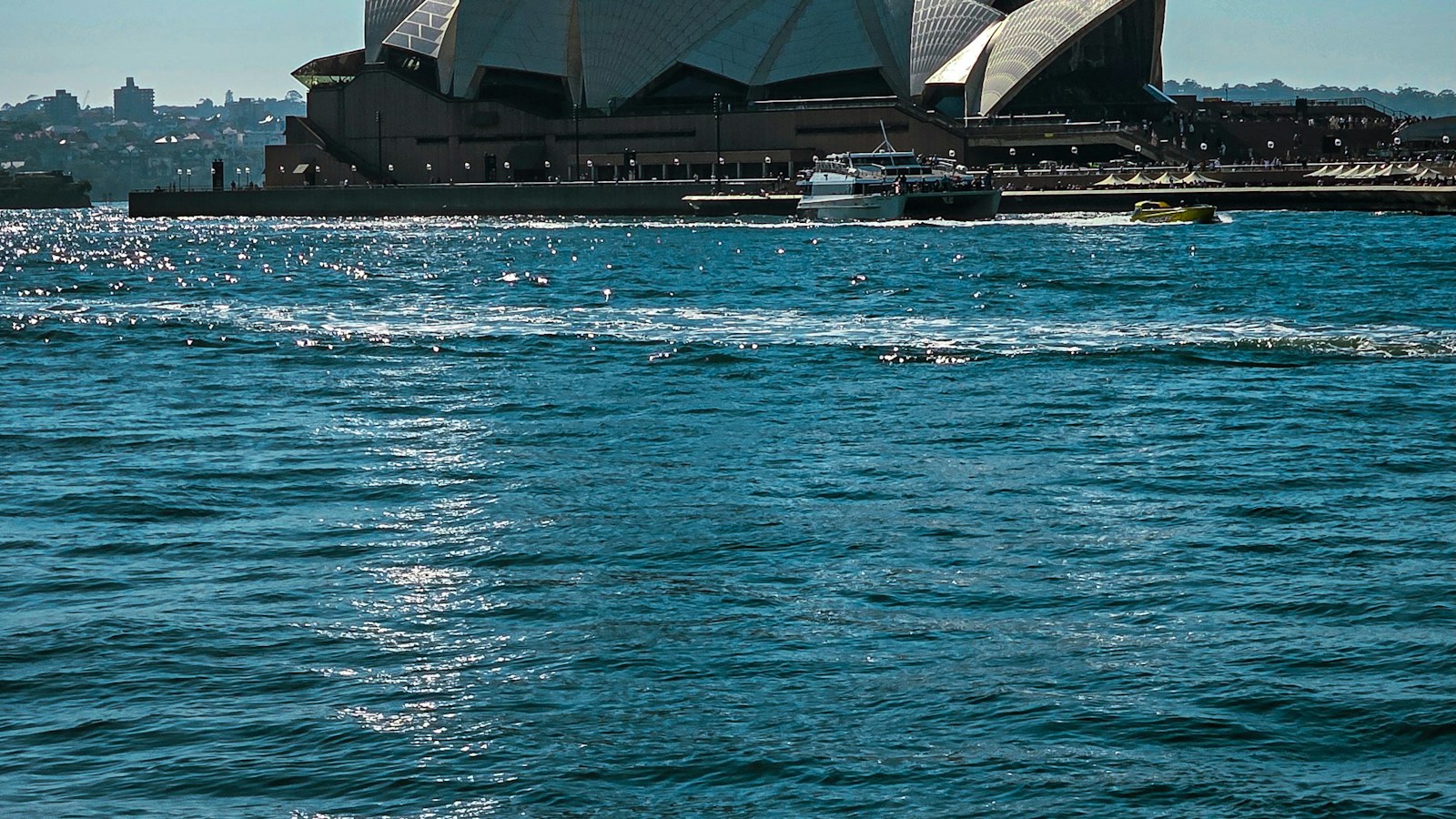
Sydney is easier to enjoy when city and coastal plans have their own days. Choose lodging near the experiences you value, keep a weather backup, and allow time to watch the harbor rather than only move around it.
Plan a harbor day with a ferry or waterfront walk, then reserve another day for a beach and coastal path. Choose a museum or garden for a change of pace, checking current opening information. Ocean conditions can be hazardous; swim at patrolled beaches where available, follow posted flags and lifeguard guidance, and check local surf information.
Choose a Sydney base for your priorities
Sydney’s neighborhoods make different trips possible. The CBD and Circular Quay are convenient for major sights and ferries, while Surry Hills offers dining and a lively local feel. The eastern suburbs suit beach-focused visits, and the inner west can work well for cafés and a more residential stay. Compare the route to the places you expect to visit, not just the neighborhood’s reputation.
Check the actual walking distance to a train, light rail, or bus stop and whether the route includes steep streets. Confirm air conditioning, noise, parking, and check-in arrangements. A beachside location can be wonderful, but it may add time to city activities. For a short stay, a well-connected base can make it easier to balance harbor visits and beach days.
Build a balanced city-and-beach itinerary
A first trip can divide time between the harbor, central neighborhoods, and a beach day. Group nearby sights so you are not crossing the city repeatedly. A ferry ride can double as transportation and a scenic activity, but check the departure wharf and return schedule. If you plan to visit the Opera House or a museum, confirm current tour times and ticket rules directly.
Choose one beach that suits your group’s swimming ability and comfort. Check surf conditions, lifeguard information, facilities, and transport before heading out. If the water is rough or the weather is poor, swap the beach for a coastal walk or indoor activity. Leave time for the return journey and a meal near your accommodation.
Use transport with a clear return plan
Sydney’s trains, buses, ferries, and light rail can connect major visitor areas, but the best choice depends on the start and end point. Check current routes, fares, and service alerts with the transport authority. For a day trip or evening event, confirm the last service and the distance between a stop and the venue.
Walking is rewarding around the harbor and neighborhoods, but distances between districts can be significant. Wear comfortable shoes and allow extra time for hills and large stations. If using a taxi or rideshare, check the pickup zone and traffic. Save your lodging address and keep your phone charged for navigation.
Find local food and slower neighborhoods
Sydney’s dining spans casual cafés, seafood, and a wide range of international cuisines. Choose meals near the day’s planned area and check opening hours or reservations. A market or neighborhood bakery can be an easy lunch stop, while a relaxed dinner gives you time to enjoy a district rather than rushing back across town.
If you have dietary needs, ask restaurants directly about ingredients. For popular areas, book a table when necessary but keep one evening open for a casual meal. Exploring a residential neighborhood can provide a different view of the city; be considerate of residents, keep noise down, and ask before photographing people or private homes.
Plan for sun, rain, and ocean safety
Sydney’s weather and water conditions affect outdoor plans. Check the forecast and beach safety information on the day, especially if swimming or surfing. Follow lifeguard advice and use designated swimming areas. Pack sun protection and water, and plan for shade during warmer hours. A cloudy or windy day can still be enjoyable with a walk or museum visit.
If a coastal route is exposed or the surf is high, choose a shorter walk or another activity. Avoid taking risks for a photograph near cliffs or waves. Keep a flexible schedule so a weather change does not disrupt a timed booking. For outdoor excursions, check the return transport before leaving central areas.
Choose accommodation that works for the stay
Confirm the sleeping setup, cooling, bathroom, laundry, parking, and distance to transit before booking. If your group plans early beach mornings, ask about check-out or luggage storage on the final day. Check the property’s house rules and whether there are quiet hours. A smaller apartment near a station may be more convenient than a larger one with a lengthy commute.
Compare the complete price, including cleaning, taxes, deposits, and cancellation conditions. Save arrival instructions and the host’s contact details. For planning, read our vacation-rental checklist and itinerary guide to account for transit and weather.
Questions for a first Sydney visit
How many days should you allow? Four days can cover the harbor, a few neighborhoods, and a beach outing, though a longer stay allows day trips. Is a car necessary? Not for many city-focused visits, but it can help for regional excursions. Should you stay by the beach? It depends on how much time you want for swimming versus city sights.
Can you combine the harbor and a beach in one day? It may work if the route is simple, but avoid packing too many distant stops. What should you reserve? Timed tours and accommodation for busy dates. Use our short-break planning guide to leave room between activities.
A practical four-day outline
Use one day for the harbor and central sights, then dedicate another to a beach or coastal walk. A third day can focus on a neighborhood such as Surry Hills or the eastern suburbs, and a final day can be left for a ferry ride, museum, or favorite return visit. This gives your trip a rhythm without requiring a long transfer every day.
Check ocean conditions and transport before committing to a beach outing. If the weather is poor, switch to a museum or a relaxed meal near your base. Keep a buffer before flights and evening tickets, and avoid booking a faraway restaurant immediately after an activity. These small gaps make a busy city feel more manageable.
A final check before heading out
Before leaving your accommodation, check the official beach or park information for the conditions that matter that day. Save a return route and a backup indoor activity in case the weather changes. If traveling by ferry or train, confirm the correct wharf or station and the time of the last convenient service. Carry a light layer because conditions near the water can feel cooler than inland.
If a beach outing takes longer than expected, keep dinner simple and close by. On a city day, group a museum, meal, and walk in the same area to reduce transport time. These small choices help preserve energy for the next activity and make a short trip feel more like a vacation than a race.