London is best understood as a collection of neighborhoods connected by the River Thames, public transport, and long walking routes. A first visit can focus on famous landmarks, but the city’s character becomes clearer when you move beyond the central postcard views. One district may be shaped by theatres and museums; another by markets, parks, canals, or local food. A useful itinerary balances the major sights with enough open time to notice how the city changes from one area to the next.
Use neighborhoods to organize your visit
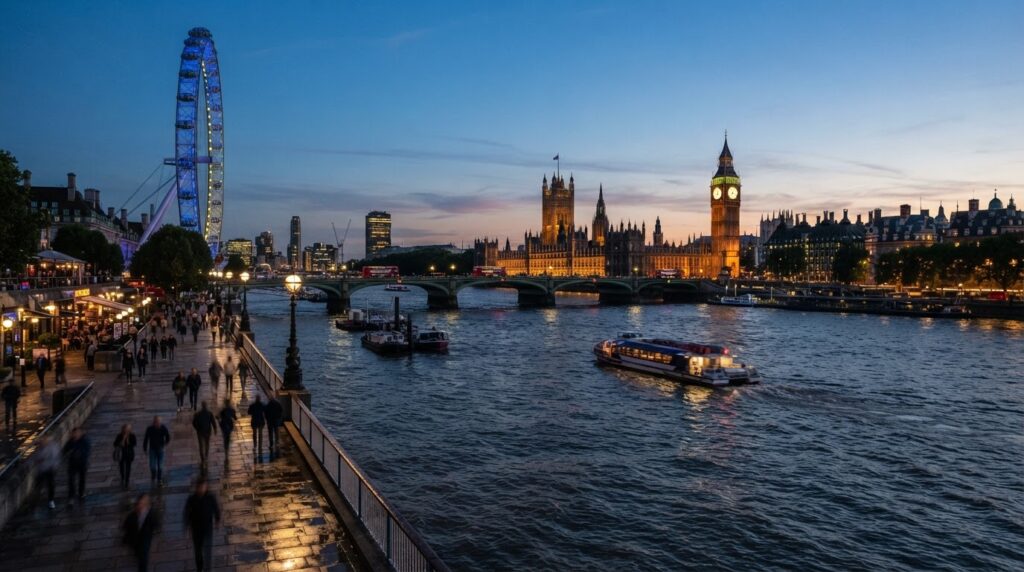
Central London contains many of the best-known landmarks, but it is not the whole city. Westminster and the South Bank bring visitors close to historic buildings, cultural venues, and river views. Covent Garden and Soho are associated with theatres, restaurants, shops, and busy streets. The City of London has a distinct blend of ancient history and modern architecture, while Greenwich offers maritime heritage, green space, and broad views across the river.
Further north, south, east, and west, neighborhoods have their own identities. Camden is known for markets and music history; Notting Hill for colorful streets and independent businesses; Hackney and Shoreditch for creative spaces and nightlife; Richmond for riverside walks and green surroundings. The right area depends on your interests and the time you have. Plan by clusters rather than trying to cross the city repeatedly in one day.
Pair landmarks with context
London’s famous sights are easier to appreciate when you connect them with nearby history. A walk from Westminster toward the South Bank follows a stretch of the Thames with civic architecture, bridges, cultural buildings, and public spaces. Around the City, historic churches, markets, gardens, and contemporary towers sit close together. Greenwich links maritime history with a hilltop park and views across east London.
Maps can help you choose a route, but check official visitor and transport information for current access, construction, events, or closures. Major attractions often require more time than a quick photograph. Choose one or two anchors for the day, then add nearby places that fit your group’s energy and interests.
Make room for museums and culture
London has museums and galleries covering art, natural history, design, science, transport, and local heritage. Rather than trying to visit several large museums in a single day, select one that genuinely interests you. Many collections are extensive, so decide in advance which galleries or subjects you want to see. A shorter focused visit can be more memorable than spending hours moving through rooms after your attention has faded.
Theatre, music, architecture, and local festivals extend the city’s cultural life beyond museums. Areas such as the West End are known for performance venues, while neighborhoods across London host independent cultural spaces and community events. Check official venue pages for schedules, access, and current visitor requirements. If you are not attending a performance, the surrounding streets can still be interesting for a walk and a meal.
Find parks and green routes
Green space is one of London’s strengths. Royal parks such as Hyde Park, St James’s Park, and Greenwich Park offer paths and places to rest. Larger areas farther from the centre, including Richmond Park and Hampstead Heath, provide a more expansive outdoor experience. Smaller gardens and pocket parks can make a welcome pause during a city day.
Walking routes help link these green spaces with neighborhoods and river views. The Thames Path and local trails offer ways to explore on foot, though route length and surface conditions vary. Plan for weather, daylight, and the abilities of everyone in your group. Keep dogs under control where required, follow posted signs, and leave parks clean for local communities and other visitors.
Explore the River Thames at your own pace
The Thames is both a landmark and a way to orient yourself. Bridges, riverside paths, historic docks, parks, and cultural venues create a sequence of different scenes. The South Bank is lively and central, while areas such as Greenwich and Richmond feel more open. A riverside walk can be more flexible than a tightly timed attraction, and it provides changing views of the city’s architecture.
River services and walking routes can help visitors connect places, but operating details change. Check current information with official transport providers before relying on a particular route. If you prefer not to walk long distances, combine a short riverside stretch with public transport and a nearby rest stop.
Plan days that work for your group
For a first visit, group nearby sights and keep the schedule modest. One day could combine Westminster with a section of the South Bank; another might focus on the City and a museum; a third could explore Greenwich. Families may want breaks at parks and child-friendly museums, while visitors interested in history may prefer fewer places with more time to read and explore.
London’s transit network is extensive, but stations, step-free routes, fares, and service arrangements can change. Use current official TfL information to plan journeys, and confirm accessibility details before traveling. Give yourself extra time at interchange stations and during busy periods. A flexible plan makes it easier to adapt when weather or crowds shift your day.
Be a considerate visitor
London is a large residential city. Keep entrances and pavements clear, be mindful of noise in residential neighborhoods, and follow signs in parks, museums, and religious spaces. Ask permission before photographing people at close range. Support local cafés, markets, and independent businesses when possible, and avoid leaving rubbish on streets or river paths.
Visitor information, attraction access, transport schedules, and event arrangements may change. Use official sources shortly before your trip. This article is independent travel information and does not book hotels, tickets, or tours.
Frequently asked questions
How many neighborhoods should I visit in one day?
One or two nearby areas are usually enough for a comfortable day, especially if you include a museum or major attraction. The city is large, and travel between districts takes time.
Is London a good city for walking?
Many central districts are enjoyable on foot, and walking often reveals details missed from a vehicle. Combine walking with public transport for longer distances and check route accessibility.
What should I check before visiting a London attraction?
Review the attraction’s official website for current opening hours, entry information, access details, and temporary changes. Check official transport updates for planned journeys.
Official resources
Plan London by transport zones and neighborhoods
London is too large to cover efficiently by treating every attraction as a separate trip. Group visits by area: central museums and parks can pair well, while riverside walks and markets fit another day. Check current opening times, ticket requirements, and public transport service updates before leaving. A short itinerary with a few priorities usually feels more rewarding than spending the day on trains between distant sights.
Choose accommodation near a convenient transport connection and check the walk to the station, luggage access, and evening atmosphere. Compare the full fare and the time needed for each route, especially when visiting outside central London. For a relaxed stay, leave space for a neighborhood café or park and keep one indoor option for rain. The official London maps and visitor resources linked in this guide can help you confirm current route and area information.