Rome can feel like several cities sharing the same streets. Ancient stonework appears beside busy traffic; a quiet church opens onto a lively piazza; a neighborhood bakery sits a short walk from a monument known around the world. This closeness is part of Rome’s character, but it can also tempt visitors to plan too much. The best way to experience the city is to give its layers room: choose a few places, connect them on foot when practical, and pause often enough to notice how old and new life meet.
Understand Rome through its layers
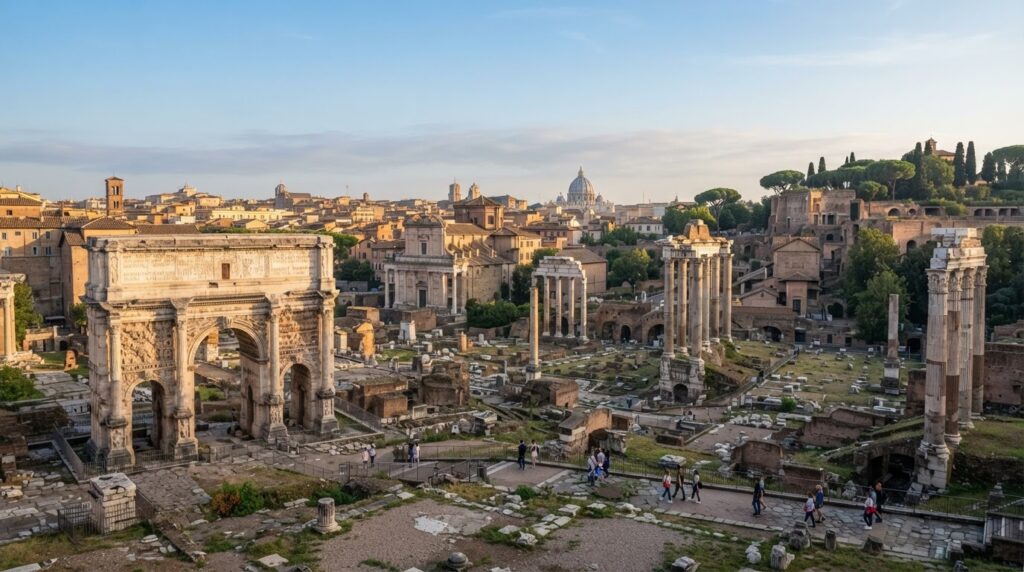
The historic centre is not a single open-air museum. It is a working urban area with different eras visible at once. The Colosseum and Roman Forum are among the most recognized ancient sites, yet their meaning becomes clearer when you learn how roads, public spaces, temples, and political buildings shaped daily life. Nearby, the Capitoline area and other archaeological sites provide different perspectives on the city’s history.
Rome’s later periods are just as present. Baroque fountains and church interiors transform ordinary routes into art experiences. Renaissance palaces and narrow lanes sit close to ancient ruins. The Vatican area has its own cultural and religious significance and merits thoughtful planning. Rather than trying to see every landmark in one sweep, decide which period or subject interests you most and build a day around it.
Plan archaeological visits with care
Large archaeological complexes require time, comfortable shoes, and attention to current access rules. Surfaces can be uneven, shaded areas limited, and distances greater than they look on a map. Check official ticket and entry information before visiting. If you are particularly interested in the Forum or Colosseum, reading a short introduction in advance can help you recognize what you are seeing and keep the site from feeling like a series of disconnected ruins.
Consider pairing a major archaeological visit with a quieter activity. After several hours among ancient stones, a garden or café break may be more enjoyable than immediately crossing the city to another crowded attraction. Rome’s pace rewards transitions. A short walk along the Tiber or through a nearby public square can help the day feel less like a timetable.
Let the neighborhoods shape your itinerary
Trastevere is known for winding lanes and a lively evening atmosphere. The area around the Jewish Ghetto offers a different mix of history, religious heritage, and food traditions. Testaccio has a strong connection to everyday Roman life and food culture. These districts are best explored respectfully: they are homes and workplaces, not just visitor zones.
Campo de’ Fiori, Piazza Navona, and the Pantheon area are central and convenient for combining historic landmarks with a walk. The Spanish Steps connect elegant streets and public spaces, while the streets around Monti have a more intimate scale and independent shops. Each neighborhood works well as a loose theme. Choose a few streets, look for a local market or small church, and allow time for an unplanned stop.
Make time for gardens and viewpoints
Rome’s green spaces offer relief from the density of monuments. Villa Borghese is a large park with paths, gardens, and cultural attractions; its scale makes it worthwhile to plan a route rather than wander without direction. The Orange Garden on the Aventine is a compact viewpoint over the city. The Pincian Terrace provides another perspective across rooftops and domes. These places are especially appealing around softer morning or evening light, though weather and crowd conditions vary.
A viewpoint is most rewarding when it is part of a walk, not a race to take a photograph. The climb to a hilltop, a quiet route through a garden, or a riverside path can provide context between famous sights. Bring water, take shade breaks in warm weather, and check local conditions before setting out for a long day outdoors.
Eat with curiosity and consideration
Roman food is closely tied to local ingredients and traditions, but there is no single dish or restaurant that defines the whole city. Markets, bakeries, small trattorias, and contemporary kitchens all form part of its food culture. Instead of choosing a place only because it is beside a landmark, walk a little farther and look for a menu and setting that suit your group. Ask about ingredients if you have dietary needs, and remember that meal times and service customs can differ from what you are used to.
Food can also be a way to understand neighborhood character. A quick pastry and coffee, a market lunch, and a leisurely evening meal create different rhythms. Reservations and opening arrangements vary, so verify details directly when they matter. Avoid assuming that every traditional-looking restaurant represents local practice; thoughtful research and recommendations from trusted local sources can make choices more informed.
Build a practical Rome day
Start with one major site that benefits from an early visit or timed entry, then add places within the same area. For example, a day in the ancient centre might combine an archaeological visit with a nearby viewpoint and a walk toward the river. Another day could focus on piazzas, churches, and neighborhoods around the historic centre. A Vatican-focused day should allow time for the scale and significance of its museums and religious sites.
Leave generous gaps between plans. Rome’s heat, cobblestones, crowds, and walking distances can slow a schedule. Public transportation can help with longer connections, but routes, service, and accessibility should be checked using current official information. If you travel with children, older relatives, or anyone with mobility needs, select fewer stops and confirm surface conditions and step-free access with the relevant venue.
Be a considerate visitor
Many sites are active religious spaces or protected heritage. Follow signs about clothing, photography, food, and quiet. Do not climb on monuments or remove stones and plants. Keep pathways clear, dispose of rubbish properly, and avoid loud groups in residential lanes. If a piazza or fountain is crowded, appreciate it briefly and make space for others.
Before visiting, check current opening hours, ticket rules, closures, and transit updates through official channels. These details can change. The links below provide reliable starting points for visitor planning. RentalsVacations.com is an independent travel information website and does not provide bookings.
Frequently asked questions
How can a first-time visitor avoid rushing?
Pick one main area each day, choose a single major attraction, and keep the rest of the schedule flexible. Walking between nearby sites often reveals more than adding another distant stop.
Are Rome’s historic sites easy to explore on foot?
Many central landmarks are walkable, but distances, uneven paving, heat, and crowds can make routes demanding. Plan breaks and check accessibility information for each site.
Should visitors book major attractions ahead?
Entry procedures differ and can change. Check the official site for each attraction before your visit and follow its current guidance.
Official resources
A thoughtful pace for the Eternal City
Rome rewards visitors who give each area time. Pair the Colosseum and nearby ancient sites on one day, then focus on another neighborhood or museum on the next. Check current ticket rules, entry times, and closure notices directly before booking. Walking between historic sites can involve uneven paving and sun exposure, so plan water and rest stops rather than treating every landmark as a quick photo stop.
Choose accommodation near the part of the city you most want to explore, then confirm transit access and the walk home after dinner. A central address can be convenient but may be noisy or expensive; compare the entire stay and the building’s stairs, air conditioning, and check-in arrangements. Use our rental checklist to review the details that a listing’s photographs cannot show.