Jordan offers ancient sites, desert scenery, and welcoming towns, but the distances between them make route planning important. Petra can take more time and energy than a quick stop suggests, while Wadi Rum and the Dead Sea require separate arrangements. Give each place enough time rather than trying to fit everything into a rushed itinerary.
Choose a practical home base
In Wadi Musa, compare lodging by distance to the visitor entrance, stairs, and meal options. For a desert camp, ask what is included, how sleeping and restroom arrangements work, and how transfers are handled. Choose an operator that explains its local and environmental practices clearly.
Plan a manageable route
Jordan is best experienced with a route that leaves room for rest. Choose a few meaningful stops, use reliable local information, and respect the landscapes and communities that make the journey memorable.
Many travelers combine Amman, Petra, and a desert stay, but the best order depends on arrival and transport. Confirm current entry rules, tickets, and site hours through official channels. At Petra, wear supportive shoes, carry water, and choose a route that fits your group. You do not need to cover every trail in one day.
Travel with respect and care
Dress appropriately for the setting, ask before photographing people, and follow guidance at religious and historic sites. Protect yourself from sun and heat, and check weather and road conditions before a long drive. If using a driver or guide, agree on the route and total cost in advance.
Plan Petra with a comfortable base
Petra is best approached as a major outing rather than a quick stop between distant destinations. Wadi Musa is the practical base for nearby access, meals, and accommodation. Check the route from your lodging to the visitor entrance and ask about early entry arrangements, luggage, and transport. If you are combining Petra with Amman, Wadi Rum, or the Dead Sea, include realistic transfer time and avoid stacking multiple long drives in one day.
Choose accommodation according to the number of days you plan to spend at the site and the amount of walking your group can comfortably manage. Confirm stairs, heating or cooling, breakfast timing, and secure luggage storage. If you need transport to another Jordanian destination, agree on the pickup location and terms before the travel day.
Set expectations for the site visit
Petra is extensive, and the visit involves walking over uneven ground, sometimes in heat or dust. Review official ticket, route, and visitor information shortly before arrival. Decide which areas are priorities and ask about current access, especially for longer or higher routes. A short, well-paced visit can be satisfying; there is no need to attempt every trail in one day.
Wear supportive footwear, carry water, and take breaks in shaded places when available. Check the weather and daylight hours and avoid beginning a strenuous route too late. If a guide offers a longer hike, understand the distance, elevation, return plan, and cost before agreeing. Choose the route based on your group’s experience and energy.
Respect the site and local communities
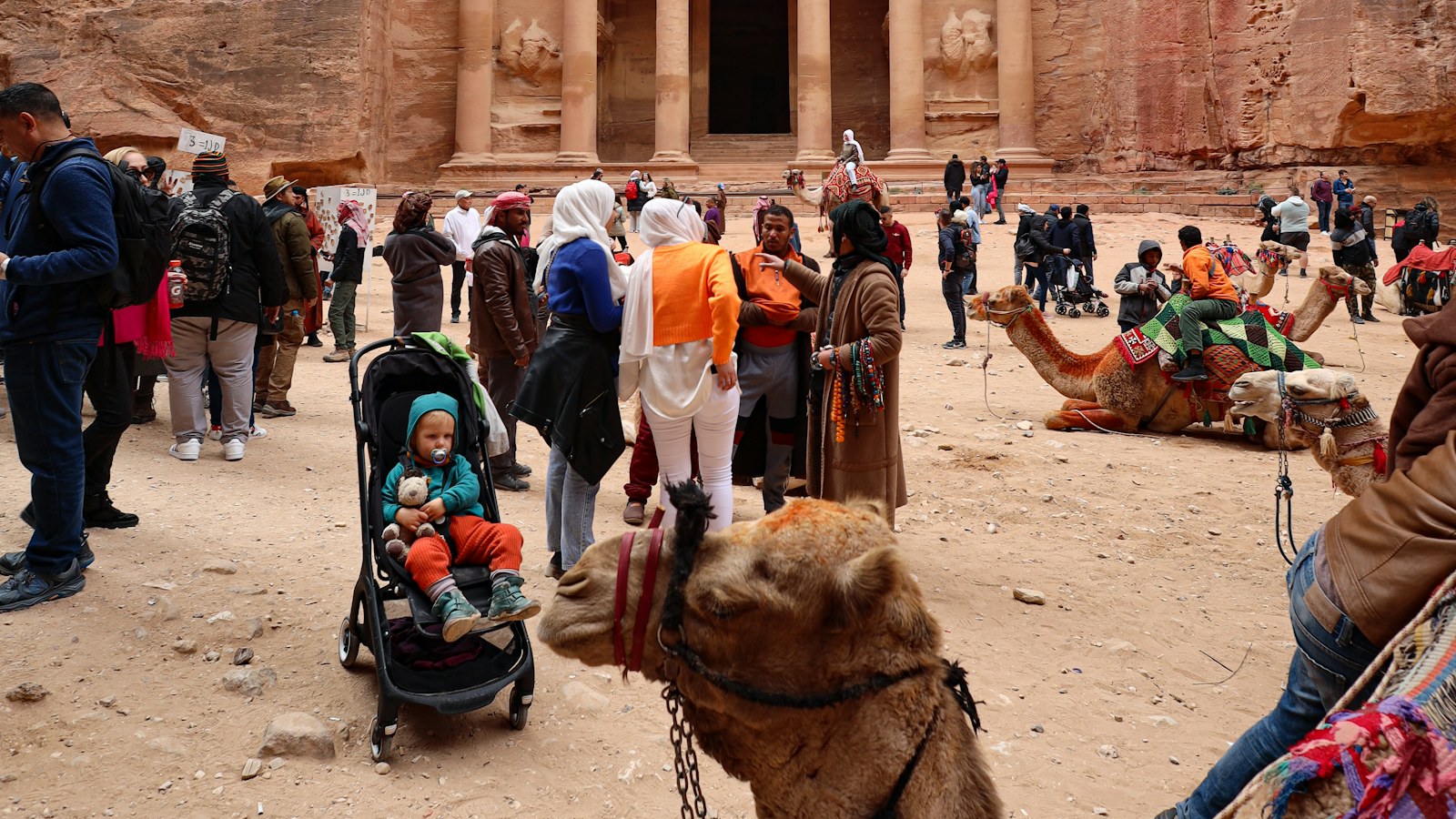
Petra is a protected cultural landscape, not a place to climb on monuments or leave waste. Follow marked routes and staff instructions, and never enter restricted areas for a better view. Ask before photographing local residents or workers, and do not assume that an animal ride is suitable or humane; consider the animal’s condition and choose an alternative when uncertain.
A local guide can offer historical context and help with navigation. Verify the guide’s credentials or use a trusted provider, agree on the route and price, and be clear about what the service includes. Buy food or crafts from local businesses when practical, but keep the site clean and leave historic features untouched.
Plan transport across Jordan carefully
Road distances between Petra, Amman, Wadi Rum, and other destinations can take time. Compare bus, private transfer, and rental-car options for your dates. Confirm departure points, luggage rules, and how changes or delays are handled. If you are driving, check insurance coverage, road conditions, fuel stops, and whether the route is comfortable for your experience.
Avoid relying on a last connection after a full day at Petra. Arrange the next transfer in advance and keep a contact method available offline. If the itinerary includes multiple overnight stops, pack so luggage transfers are manageable. A more relaxed route with fewer daily miles often leaves more energy for the destination itself.
Prepare for climate and physical demands
Conditions vary with season and time of day. Check a current forecast and carry sun protection, water, and a light layer for cooler mornings or evenings. If rain is expected, verify whether trails or access routes may be affected. Anyone with medical concerns, mobility limitations, or heat sensitivity should plan the route carefully and seek personalized advice if needed.
Take frequent rests and know where the route can be shortened. If someone in your group feels unwell, stop and seek assistance rather than continuing to meet a schedule. Bring only what you can comfortably carry. The site experience is more enjoyable when the group has enough time to walk at its own pace.
Book lodging with a recovery day in mind
After a long site visit, a comfortable evening matters. Check whether meals are available nearby, whether the property serves breakfast early, and how to arrange transport to the entrance. Confirm heating or cooling, hot water, and the sleeping arrangement. If your visit includes an early start, discuss check-in and departure logistics with the host in advance.
Compare total cost and cancellation terms, especially if your itinerary depends on multiple long-distance transfers. Keep one flexible period in the schedule for rest, weather, or a delayed journey. Our vacation budget guide and itinerary guide can help you plan transportation and downtime.
Questions about visiting Petra
How many days do you need? One full day gives a first visit, while two days can allow a slower pace or a longer route if current access permits. Is a guide necessary? Not for everyone, but a knowledgeable guide can add context and help with logistics. Can you combine Petra and Wadi Rum in one day? It may be possible for some itineraries, but it can create a long and tiring day; verify actual travel time and arrangements.
What should you reserve early? Accommodation, transport on a tight itinerary, and any guided experience that is important to you. Is the site accessible to all visitors? Terrain and distance can be demanding; review current access details and choose a route suitable for your group. Confirm ticketing and safety information with official providers before traveling.
A two-day Petra plan
Use the first day for the main entrance route and the areas that matter most to your group. Start at a time that allows a comfortable pace, take breaks, and check current site guidance before choosing an additional trail. If you have a second day, use it for a slower revisit or another route only if conditions and access are suitable. Avoid trying to fit every viewpoint into one long visit.
Before each day, check the forecast, ticket details, and return transport. Keep water and snacks with you, wear supportive shoes, and carry only what you can manage over uneven ground. If anyone feels unwell or fatigued, shorten the route and seek assistance when needed. A thoughtful visit respects both the site and the limits of the group.