The Swiss Alps are best enjoyed with enough time to look around. Mountain trains, lakeside paths, and villages make the region easy to explore, but weather, elevation, and seasonal service changes still shape each day. Choose one valley or area as a base before adding excursions.
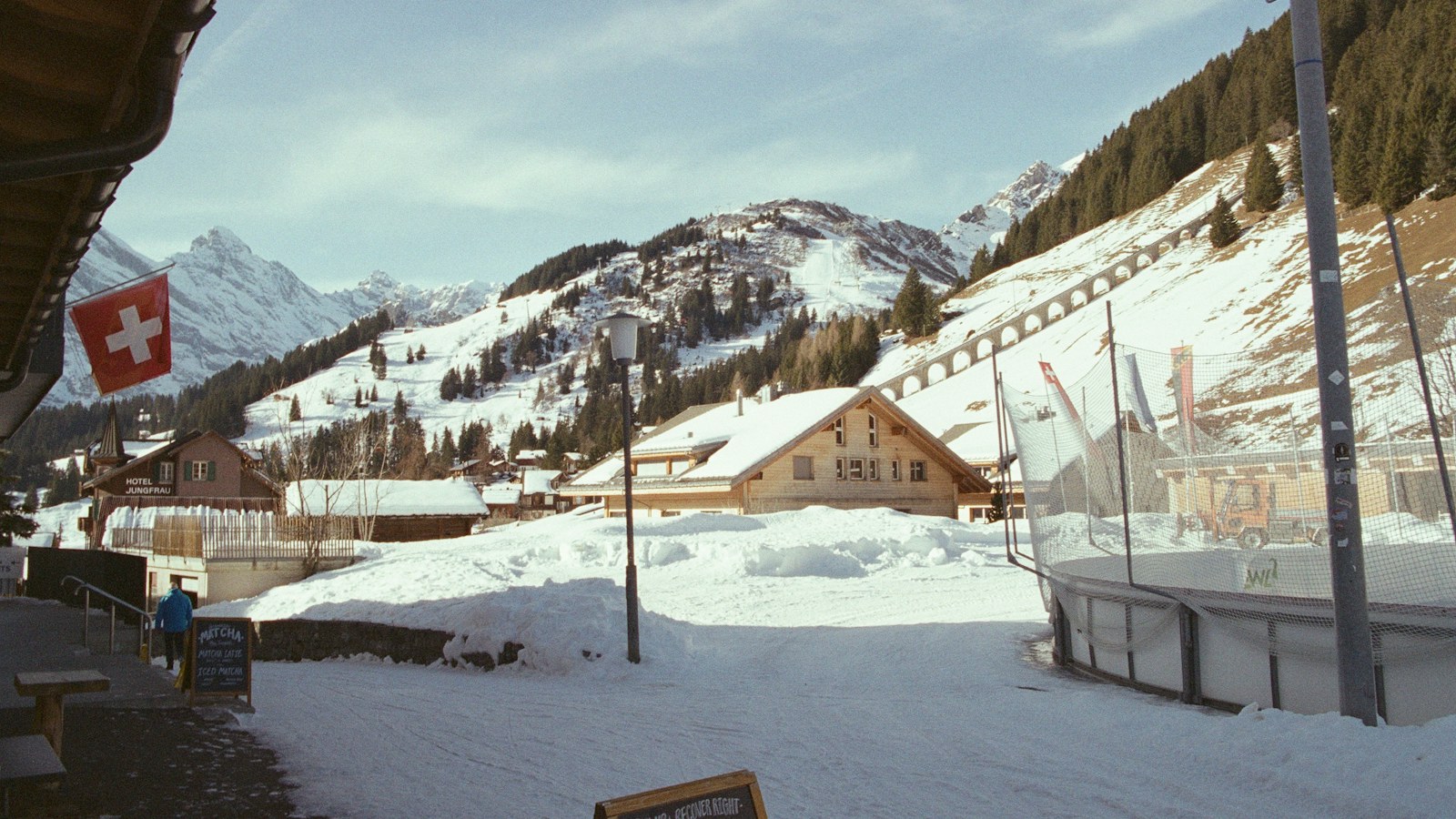
Choose a home base
A comfortable base, current transport information, and a flexible plan help the mountains feel like a place to stay, not simply a backdrop between connections. Give yourself enough time to enjoy the view.
For accommodation, confirm whether the building has a lift, how heating works, whether linens are included, and how late check-in is handled. In smaller villages, check which shops and restaurants operate during your dates. A kitchen can make early starts easier and give you more flexibility when choices are limited.
Plan around weather and ability
Rather than fitting several lifts and distant trails into one day, choose a main outing and leave time for a village walk or meal. Stay on marked paths, respect private land and livestock, and avoid stepping into fragile alpine vegetation for a photograph.
Use official rail, cable-car, and visitor information for the dates of your visit; services can change by season or weather. Check trail notices before setting out and choose a route that suits the least experienced person in your group. Pack layers, rain protection, sturdy shoes, and water. If clouds or storms move in, choose a lower-elevation walk or an indoor stop.
Interlaken can be a useful hub for comparing nearby outings. Lauterbrunnen or Grindelwald may place you closer to particular scenery and walks, while Zermatt has a distinctive mountain setting and its own transport considerations. Check the exact route from the station to your rental and the distance to groceries, restaurants, and trail access.
Choose a Swiss Alps base with realistic travel times
The Swiss Alps include resort towns, valleys, and villages linked by different rail and road routes. A base in a larger town can offer more restaurants and services, while a smaller village may feel quieter and closer to walking trails. Before booking, check how the accommodation connects to the station, lift, or bus stop you expect to use. A short map distance can involve a steep climb or a transfer that changes the whole day.
If you plan to visit several valleys, compare the time needed to move between them and consider limiting hotel changes. Switzerland’s transport network can make car-free travel practical on many routes, but service patterns differ by season and route. Confirm current timetables and ticket options with the operator. If you rent a car, check parking, winter equipment, road access, and whether the property’s location is suitable for the vehicle.
Plan mountain outings around current conditions
Mountain lifts, trails, and scenic routes may operate seasonally or close because of weather. Confirm opening dates and conditions shortly before travel, especially if one ride or hike is central to your plans. A clear forecast in the valley does not guarantee the same conditions at higher elevations. Carry layers, water, sun protection, and footwear suited to the route.
Choose trails according to the group’s experience, fitness, and the current surface. Review distance, elevation gain, expected time, and the return option. If conditions change, take the easier route or return early. It is better to have a safe half-day outdoors than to continue simply because a route was on the original plan.
Use rail and lift connections efficiently
Rail journeys are part of the Swiss experience, but connections can still require a station change, platform walk, or reserved seat. Plan enough time when traveling with luggage and check whether your ticket covers the intended route and mountain transport. Avoid booking a tight final connection after a long scenic journey, and keep your accommodation informed if an arrival is delayed.
If you are considering a regional or national travel pass, compare the routes and activities you expect to use. A pass is valuable only when it fits your actual itinerary. Keep tickets accessible offline and verify any seat reservation requirements. For a day with several lifts, confirm the operating hours and last descent so you are not left with an unexpected transport problem.
Balance high viewpoints with village time
A dramatic viewpoint can be memorable, but the towns and valleys below are also worth exploring. Consider a morning excursion followed by a relaxed meal and a walk near your base. This helps reduce fatigue and gives you an alternative if visibility is poor. On cloudy days, choose a lower route, local museum, or scenic town activity rather than paying for a view that may not appear.
The pace of mountain travel is affected by altitude, sun, and repeated elevation changes. Take breaks and follow local safety signs around lakes, cliffs, and snowfields. Keep a warm layer for the descent even when the valley feels mild. A flexible plan lets you choose the best window for a high viewpoint.
Check seasonal details before booking
Winter and summer bring different transport, trail, and accommodation patterns. Some villages are easier to reach in one season, while other services may be limited outside peak periods. Check the calendar for planned closures and local event dates before purchasing nonrefundable lodging. Confirm what remains open during your travel week rather than relying on a general description of the destination.
In colder months, ask whether your rental has reliable heating, secure ski or equipment storage, and access from the station or parking. In warmer months, confirm whether trail access and lift service match your interests. Pack layers for changeable conditions, and check the local forecast for each mountain area you plan to visit.
Choose lodging for the group’s needs
A rental with a kitchen can help manage meals in expensive resort areas, while laundry may be useful on a longer trip. Confirm bed sizes, bathroom count, elevator access, and the distance from the property to public transport. If you plan to carry skis or hiking gear, ask whether secure storage is available. Read house rules and quiet hours before booking.
Compare the full price with cleaning charges, local taxes, transport, and any resort fees. Check cancellation terms if your plans depend on snow or lift operation. For a multi-generation group, prioritize access and walkability alongside the view. Our guide to choosing a vacation rental can help you compare practical features.
Questions about an Alps vacation
Do you need a car? Many visitors can use trains and local transport, but remote accommodation or specific trailheads may require another option. Is a mountain pass worth it? Compare the routes and lifts included with your planned days. How many bases should you use? A single base works well for a short visit; longer trips can add another valley if transfers make sense.
How do you plan for weather? Keep a low-level alternative for each high-mountain day and confirm conditions on the morning of travel. What should you book early? Accommodation and any limited-capacity transport or tours important to your itinerary. For pacing, use our flexible itinerary guide.
A sample day without rushing
Start with one major mountain excursion, after checking weather and operating information for the specific route. Keep the first part of the day flexible in case visibility is poor, then choose a nearby village walk or a lower-elevation activity for the afternoon. If traveling by train, note the return timetable before you leave and avoid depending on the final service of the day.
For dinner, stay near your base rather than adding a long cross-valley transfer after a full day outside. This gives you time to dry clothing, review conditions for tomorrow, and rest. If the forecast changes, swap the order of your outings instead of canceling the whole plan. A flexible sequence makes it easier to use the clearest day for a viewpoint and save sheltered activities for less favorable weather.