Explore the outdoors responsibly
Choose walks that match your group’s experience. Check weather and track notices before leaving, bring layers and water, and stay on marked paths. Conditions can change quickly, so keep a shorter alternative in mind. Respect wildlife and conservation signs, and avoid disturbing fragile areas for a photograph.
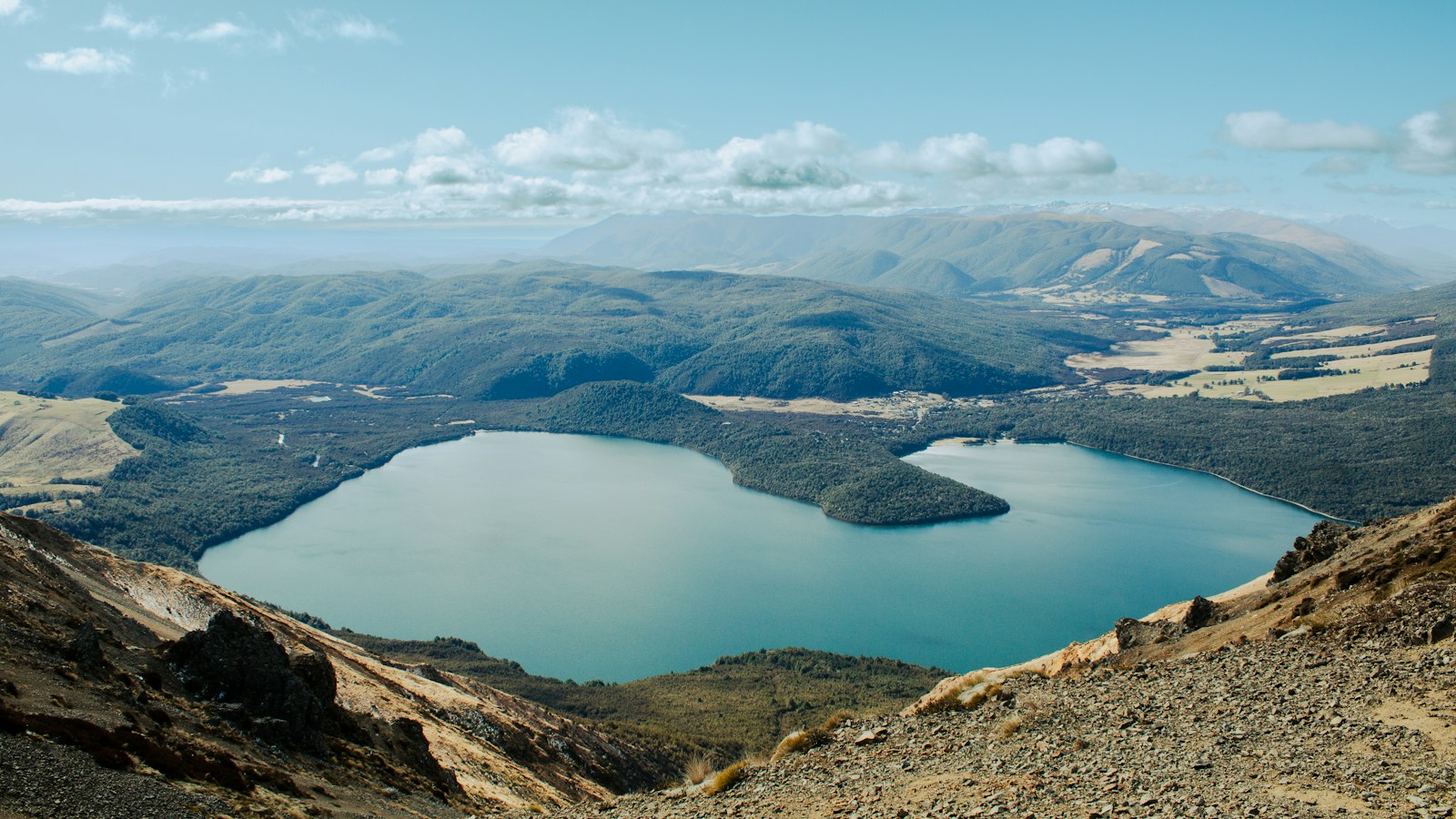
With a focused route, safe driving breaks, and a comfortable place to return to, the South Island becomes more than a series of viewpoints. Leave room for a lakeside morning, a local café, or a stop you did not plan. A slower trip is often the one that feels most complete.
The South Island’s lakes, mountains, coast, and small towns can make every road turn feel like a photo stop. The distances between regions are still substantial, and weather can reshape a day’s plan. Choose a few areas that matter most to you and allow time to enjoy the drive rather than treating it as dead time.
Choose a route you can enjoy
For a short visit, focus on one region or a simple route between two bases instead of trying to circle the island. Queenstown and Wānaka suit travelers drawn to mountain scenery and outdoor activities; Christchurch can be a practical arrival or departure point; coastal towns offer a different pace. Compare actual driving times and road conditions for your dates, since winding routes can take longer than they look.
Leave a rest day after a long transfer and avoid scheduling a major timed activity immediately after a drive. Check official road updates before setting out, especially in winter or after heavy weather. If you rent a vehicle, confirm what insurance is included and whether your accommodation has parking.
Book a base for everyday comfort
A kitchen, heating suited to the season, laundry, and secure gear storage can be helpful after outdoor days. Ask whether the approach road is suitable for your vehicle and how far you are from groceries. In small towns, plan meals ahead and check check-in instructions for late arrivals. Read recent reviews for notes about noise, stairs, and parking.
Explore the outdoors responsibly
Choose walks that match your group’s experience. Check weather and track notices before leaving, bring layers and water, and stay on marked paths. Conditions can change quickly, so keep a shorter alternative in mind. Respect wildlife and conservation signs, and avoid disturbing fragile areas for a photograph.
With a focused route, safe driving breaks, and a comfortable place to return to, the South Island becomes more than a series of viewpoints. Leave room for a lakeside morning, a local café, or a stop you did not plan. A slower trip is often the one that feels most complete.
Choose a South Island route that leaves time to stop
The South Island is large enough that a road trip can become a sequence of long driving days if you try to visit every well-known place. Begin with the experiences that matter most, such as alpine scenery, a lake stay, coastal wildlife, or a quieter town, then connect a manageable number of regions. Add nights rather than extra stops when you can; time for viewpoints, meals, and changing weather is part of the trip.
Check drive times for the exact route and season, and allow more time than a basic map estimate suggests. Mountain roads, roadworks, photo stops, and weather can slow travel. Avoid a long drive followed by a timed activity or an evening arrival at a remote rental. If your itinerary includes a ferry or flight, keep a comfortable buffer and know your backup option.
Build a practical sequence of places
A first trip might connect Christchurch with the Mackenzie area and Queenstown, or focus on a shorter coastal loop, depending on available days. The best sequence is the one that avoids repeated backtracking and gives each base more than one rushed night. If you add Milford Sound, check current access and tour transport rather than assuming the drive is a simple out-and-back day.
Use a central base for nearby walks and viewpoints, then move only when the next region offers a genuinely different experience. Put grocery stops and fuel into your plan in smaller communities where services may be limited. Save accommodation addresses and directions offline because mobile coverage can vary outside towns.
Prepare for road conditions and weather
Conditions can change quickly in alpine areas, and a road that is easy in clear weather may feel very different in rain, snow, or strong wind. Check official road and weather information before leaving, especially for mountain passes and remote routes. If warnings appear, adjust the itinerary rather than pushing through to preserve a booking.
Choose a vehicle suitable for your route and comfort level, and understand the rental agreement for gravel roads, insurance, and roadside assistance. Keep fuel above the minimum you think you need, carry water and snacks, and stop only in safe pullouts. If you are not used to driving on the left, give yourself time to adjust and avoid long night drives.
Mix outdoor activity with recovery time
A scenic drive is not automatically a restful day. Break longer journeys into realistic sections and plan a meal or short walk along the way. On hiking days, check distance, elevation, daylight, and current trail notices. Choose a route appropriate for the group and carry basic supplies; do not rely on a photo or a brief social post as a safety assessment.
A quieter day near your accommodation can be an important part of a road trip. Use it for laundry, a lakeside walk, or a relaxed meal instead of filling every hour. This makes the trip more resilient if weather cancels an excursion. The landscape is often most enjoyable when you have time to pause and observe it.
Select accommodation by access and service
In towns, look for easy parking, restaurants, and grocery access. In remote areas, confirm the route, check-in instructions, heating, cooking facilities, water, and whether mobile service is available. Check if the accommodation provides secure parking and whether there are quiet hours. Read the full cancellation policy when a stay depends on road access or a specific weather-sensitive tour.
If a rental is outside a town, plan dinner and breakfast before arriving. Ask the host about the condition of the final road and whether a standard vehicle is suitable. For a group, confirm bed configuration and bathroom count. Compare a remote view with the practical cost of extra driving and limited services.
Common road-trip questions
How many days do you need? A week allows a useful introduction to part of the South Island; two weeks can support a more varied loop with rest days. Should you book every night in advance? Popular towns and peak dates benefit from early planning, but avoid a route so rigid that one delay ruins the next day. Is a campervan always more flexible? It can be, but campsites, driving comfort, and seasonal weather still need planning.
What should you reserve first? Secure any high-demand accommodation, tours, and transport that are essential to your dates, then keep ordinary days flexible. For your driving schedule, use our flexible itinerary guide; for your stay, use our rental booking checklist.