Lisbon is a city of hills, river light, tiled façades, and neighborhoods that can feel distinct even when they are only a short distance apart. Its streets invite exploration, though the slopes and older paving call for comfortable shoes and realistic plans. A good visit balances landmark architecture with time for viewpoints, museums, local squares, and the waterfront. The city is most rewarding when you allow the route to change with the terrain and the weather.
Read the city through its hills
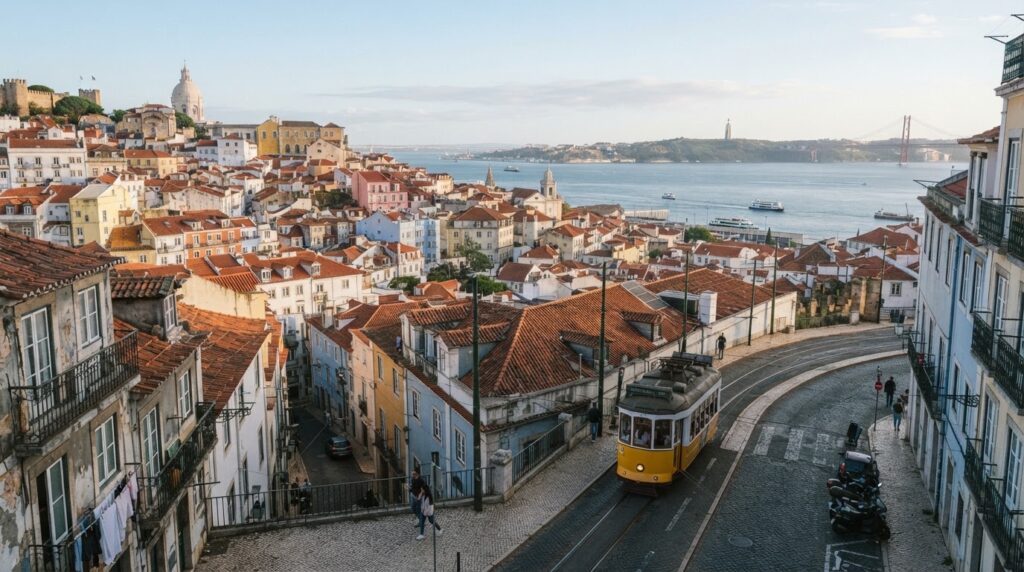
Lisbon’s geography shapes the way people experience it. The historic centre rises and falls between the Tagus River and surrounding hills, creating viewpoints and winding routes. Alfama is known for narrow streets, historic layers, and views toward the river. Graça offers hilltop perspectives and neighborhood life. Baixa, rebuilt after the 1755 earthquake, has a more regular street plan, while Chiado and Bairro Alto bring shopping, culture, cafés, and evening activity.
These districts do not need to be treated as boxes to tick. Select one or two for a day and notice the transitions between them: a stairway, a small square, a tile-covered façade, or a sudden view of the water. Historic trams are part of Lisbon’s identity, but they can be crowded and routes or services may change. Check current transport information and be considerate of residents who rely on local services.
Find viewpoints that suit your pace
Lisbon’s miradouros, or viewpoints, offer different perspectives over rooftops and the Tagus. Some are lively gathering places; others are small gardens or terraces where visitors pause on a walk. Senhora do Monte and Graça are among the well-known hilltop viewpoints, while Santa Catarina and Portas do Sol provide other ways to look across the city. Each viewpoint is shaped by its surroundings, so the experience includes the walk there as much as the view itself.
Plan for steep streets and warm weather. Carry water, use shade breaks, and avoid setting a schedule that depends on rushing from hill to hill. If your group includes anyone with limited mobility, look for routes that reduce stairs and confirm transport access in advance. The same district can feel very different depending on whether you arrive on foot, by transit, or at a quieter time.
Spend time in Belém and along the river
Belém lies west of the central districts and is strongly associated with Portugal’s maritime history, major monuments, and museums. The riverside setting gives the area a more open feel than the tight streets of the old centre. Visitors often combine historic sites with a museum or a walk beside the water. Because major attractions can be popular, check official opening information and allow enough time for movement between sites.
The wider riverfront offers another view of Lisbon’s development. The area around Parque das Nações shows a modern side of the city, with contemporary architecture and waterside public space. It can make a useful contrast to a day in Alfama or Baixa. Choose a walk or museum based on your interests, and avoid trying to cover both ends of the city in a single rushed afternoon.
Explore museums, music, and everyday culture
Lisbon’s cultural life includes art collections, tile history, maritime stories, contemporary architecture, and fado music. A museum visit can give useful context to what you see on the street, from azulejos to the city’s relationship with the sea. Fado is often associated with neighborhoods such as Alfama and Mouraria, but performances and venues vary. Learn about the tradition respectfully and choose an experience that treats musicians and local culture with care.
Food is another way to understand Lisbon, from neighborhood bakeries and markets to restaurants serving Portuguese dishes. The city has changed rapidly in recent years, and no single café or pastry can represent it all. Try local specialties, ask about ingredients if you have dietary requirements, and make room for casual stops rather than planning every meal around a famous address.
Build a realistic day in Lisbon
Start with one district, then follow a route downhill or along the river where practical. A morning in Alfama might pair with a viewpoint and a nearby museum; an afternoon in Baixa and Chiado can include architectural details, shops, and a slower meal. Belém works better as its own half-day or day, depending on how many museums or monuments you choose. Leave time for transport and rest.
Lisbon’s hills, cobblestones, and summer sun can make short distances feel long. Wear shoes with grip, plan shade breaks, and check the forecast. Public transport can reduce uphill walking, but current lines, accessibility, and operating information should be confirmed with official providers. Travelers with strollers or mobility needs may want to choose fewer steep routes and research step-free access before arriving.
Respect the neighborhoods you visit
Lisbon’s historic districts are homes, not open-air stages. Keep noise low in residential lanes, avoid blocking doorways, ask before photographing people, and follow signs at churches and monuments. Stay on marked paths at viewpoints and do not climb on walls or structures for a photograph. Choose local businesses thoughtfully and dispose of rubbish properly.
Opening hours, public transport arrangements, and attraction access change. Check official city and tourism resources before setting a schedule. This article offers independent travel information; it does not sell tickets or take lodging reservations.
Frequently asked questions
Is Lisbon difficult to explore on foot?
Central areas are walkable, but steep hills, stairs, and uneven paving can make routes tiring. Group nearby sights, take breaks, and use current transport options where appropriate.
Which part of Lisbon should a first-time visitor explore?
Baixa, Alfama, Chiado, Graça, and Belém each offer different experiences. Choose based on whether you are most interested in historic streets, views, museums, or riverside landmarks.
When should visitors check attraction information?
Check official pages shortly before your visit for current opening hours, ticket procedures, closures, and access details.
Official resources
Make the hills part of the plan
Lisbon’s viewpoints are rewarding, but the city’s hills and paving affect how much ground you can comfortably cover. Group nearby sights and use public transport for the steepest or longest connections. Check current tram and metro information, especially if a historic route is central to your plan. Comfortable shoes with grip are useful on sloped streets, and a slower pace makes it easier to enjoy the views.
Choose a base that matches your daily routes. Baixa and Chiado are convenient for central walks, while other neighborhoods may offer quieter evenings or a different atmosphere. Confirm the route from the nearest stop to your accommodation, along with stairs, luggage access, and late check-in. Leave time for a meal close to your final activity instead of crossing the city at the busiest hour.
Making Lisbon’s Hills Easier
Lisbon’s steep streets are part of its character, but they deserve practical planning. Choose comfortable shoes with reliable grip, carry water, and check the route elevation before setting out. A route that looks short can include long climbs or uneven paving. Use public transport for the steepest sections when it suits your itinerary, and check current service information before relying on a particular lift, tram, or funicular.
Consider the feel of each area when selecting a rental. Baixa and Chiado provide central access to shops and transport; Alfama offers historic lanes and viewpoints, but may involve stairs and more evening sound; Príncipe Real and Estrela can suit visitors seeking a quieter residential atmosphere. Look closely at the property’s exact access details: historic buildings may have narrow staircases, limited lifts, or sloping floors. Ask the host about luggage access if that matters to your group.
Plan one or two nearby activities each day and leave space for a long meal or an unplanned viewpoint stop. Lisbon’s light changes quickly along the river, and a slower schedule makes it easier to enjoy the city without turning every hill into a race. In residential lanes, keep voices low at night and follow local recycling and rubbish instructions.