Provence invites a slower kind of trip. Village squares, countryside roads, markets, and shaded terraces are easier to enjoy when you stay in one area long enough to settle in. Rather than moving accommodation every night, choose a base that fits your interests and make a few well-planned outings from there.
Choose the right base
A larger town can simplify groceries, dining, and transit. Avignon can suit visitors interested in history and rail links; Aix-en-Provence offers a lively town atmosphere; a smaller village may be better for quiet evenings and countryside walks. Compare the exact location with the places you hope to see, and do not assume a rural rental is near shops or public transport.
If you plan to drive, confirm parking and road access. Ask how far the property is from the nearest grocery shop and whether the approach road is narrow or unpaved. For a longer stay, a kitchen, laundry, and shaded outdoor seating can matter more than a panoramic photo. Read the cancellation terms and clarify whether a pool or terrace is private or shared.
Plan a relaxed visit
A comfortable rental and a focused route make Provence feel more personal. Leave time for a market morning, a simple meal at home, and a walk without a timetable. That slower rhythm is often what guests remember most.
Check local market schedules before setting out; days and hours vary by town and season. Arrive early if you want to browse produce and crafts, and bring a reusable bag. Pick one cluster of nearby villages for a day, then return to your base for an unhurried evening. On another day, choose a museum, garden, or historic site, checking current opening information directly.
Warm months bring long outdoor days but also hot afternoons and higher demand. Plan walks earlier or later, carry water, and take shade breaks. Spring and autumn can feel gentler, though weather and business hours still vary. Keep an indoor or low-key alternative for a very hot or rainy day.
Enjoy local life respectfully
Small villages are residential places, not only scenic backdrops. Keep noise down at night, park only where permitted, and ask before photographing people or private homes. Support local shops and restaurants when you can, and be patient if the pace is slower than in a city.
Pick a home base for the pace you want
Provence covers villages, market towns, countryside, and larger urban centers, so choosing a base shapes the whole trip. Aix-en-Provence and Avignon can offer useful services and rail connections, while smaller villages may provide a quieter setting and a closer feel for local routines. If you plan to visit several villages, staying near the routes you want to explore can reduce long daily drives. Do not select a rental solely because its photographs look isolated and peaceful.
Check the property’s distance from groceries, restaurants, and transport, and whether a car is essential. Confirm parking, access roads, heating or cooling, kitchen equipment, and the process for arriving outside typical check-in hours. In rural areas, verify how far you need to travel for dinner or essentials. If anyone in your group prefers not to drive, compare train, bus, and taxi availability for the exact dates.
Use markets as a guide to local life
Markets are enjoyable when you have time to look around rather than rushing through with a fixed shopping list. Check the current market day for each town because schedules can vary by place and season. Arrive with a reusable bag, browse produce and local specialties, and be mindful that residents use the market for everyday shopping. Ask before photographing vendors or their stalls.
A market visit can anchor a morning, followed by a walk through the historic centre and a relaxed lunch. If you are staying in a rental with a kitchen, check whether it has basic cookware before buying ingredients. Some properties may have limited storage or rules about cooking. Keep refrigerated goods safe during warm weather and respect local guidance about waste and recycling.
Build an itinerary around clusters
Rather than trying to cover all of Provence in a day, choose a small cluster of nearby places. A morning in one town can pair with a nearby museum, abbey, or countryside walk. Leave room for stops that catch your attention and time for parking or public transport. If you are crossing a larger region, avoid adding several timed visits along the route.
A car can make rural exploration easier, but it brings responsibilities: narrow roads, parking, fuel stops, and respecting village centers that are not designed for through-traffic. If you prefer not to drive, base yourself in a town with good transport and book day tours from reliable providers. Confirm seasonal bus routes and service times before depending on them.
Travel in the right season for your interests
Spring and autumn can be comfortable for walking and exploring towns, while warmer months bring longer days and more visitors. Rural accommodation and restaurants may have their own seasonal schedules, so check what is open around your travel dates. If a regional event or festival is important to you, confirm its official schedule before booking non-refundable lodging.
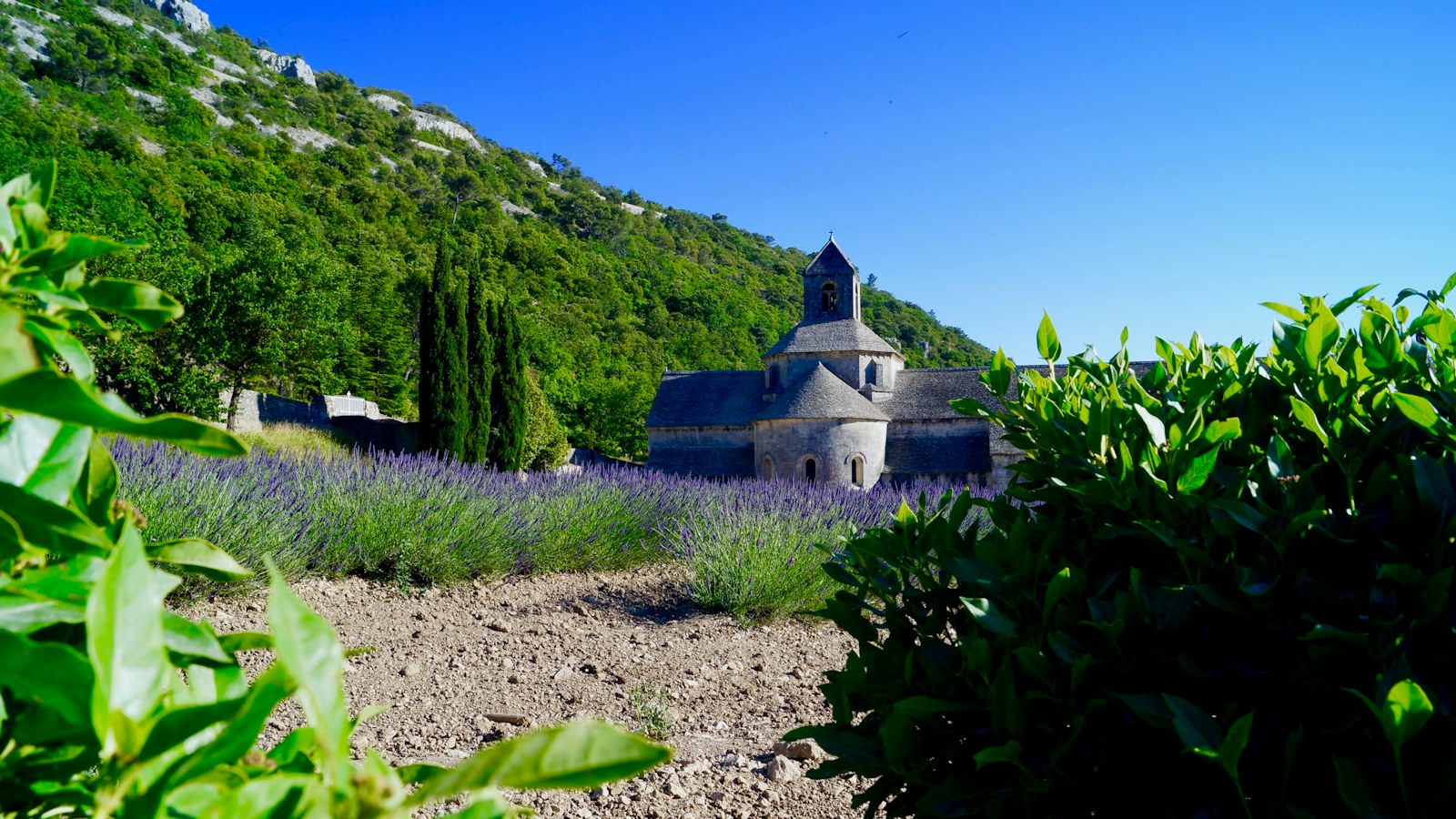
The well-known lavender landscapes are seasonal and vary by location and weather, so do not plan a trip around a guaranteed bloom date. Check current local information shortly before traveling and have a second activity in mind. For warm days, schedule outdoor walks earlier, carry water, and take breaks in shaded places. In cooler months, confirm that your rental has dependable heating.
Enjoy villages respectfully
Small villages are communities first and visitor attractions second. Park in designated areas, keep entrances clear, lower noise at night, and follow signs around private property. If you stop for photographs, avoid blocking narrow streets or driveways. A short café stop or shop purchase can support local businesses and make a visit feel less like a quick photo circuit.
Walking is often the best way to see a village, but surfaces may be uneven and slopes can be steep. Choose footwear accordingly and consider mobility needs before committing to a route. If you visit a church or other cultural site, check opening arrangements and follow posted guidance. Give yourself time to sit, observe, and appreciate the place without rushing to the next pin on a map.
Book a countryside stay with practical details
A rural rental can be a wonderful base if its everyday logistics are clear. Ask how far the nearest shop is, whether a car is needed, where to park, and whether the property has reliable internet and mobile coverage if those matter. Confirm check-in instructions and the best route to the entrance. If arriving after dark, ask about lighting and whether someone will meet you.
Compare the full price and house rules, including cleaning, linens, pool access, quiet hours, and any deposit. If a swimming pool or outdoor area is a major reason for booking, verify the dates it is open and whether safety requirements apply. Read recent reviews for information about access and noise, but confirm critical details directly with the host.
Common questions about a Provence visit
Is a car necessary? It helps for rural villages and flexible countryside stops, but a car-free trip can work if you choose a rail-connected base and plan excursions. How many bases should you use? One or two is often enough for a week; changing accommodations too often costs time. Should every market or village be scheduled? No; pick a few priorities and let weather and opening times shape the rest.
How can you avoid overplanning? Keep one major outing per day and allow time for meals, parking, and rest. For lodging decisions, see our rental listing checklist and use our vacation budget guide to account for transport and local costs.