California’s Central Coast offers dramatic cliffs, beaches, small towns, and scenic drives. It can be a lovely family destination when you keep driving days manageable and spend enough time in each stop. Choose a small number of bases rather than changing accommodation every night.
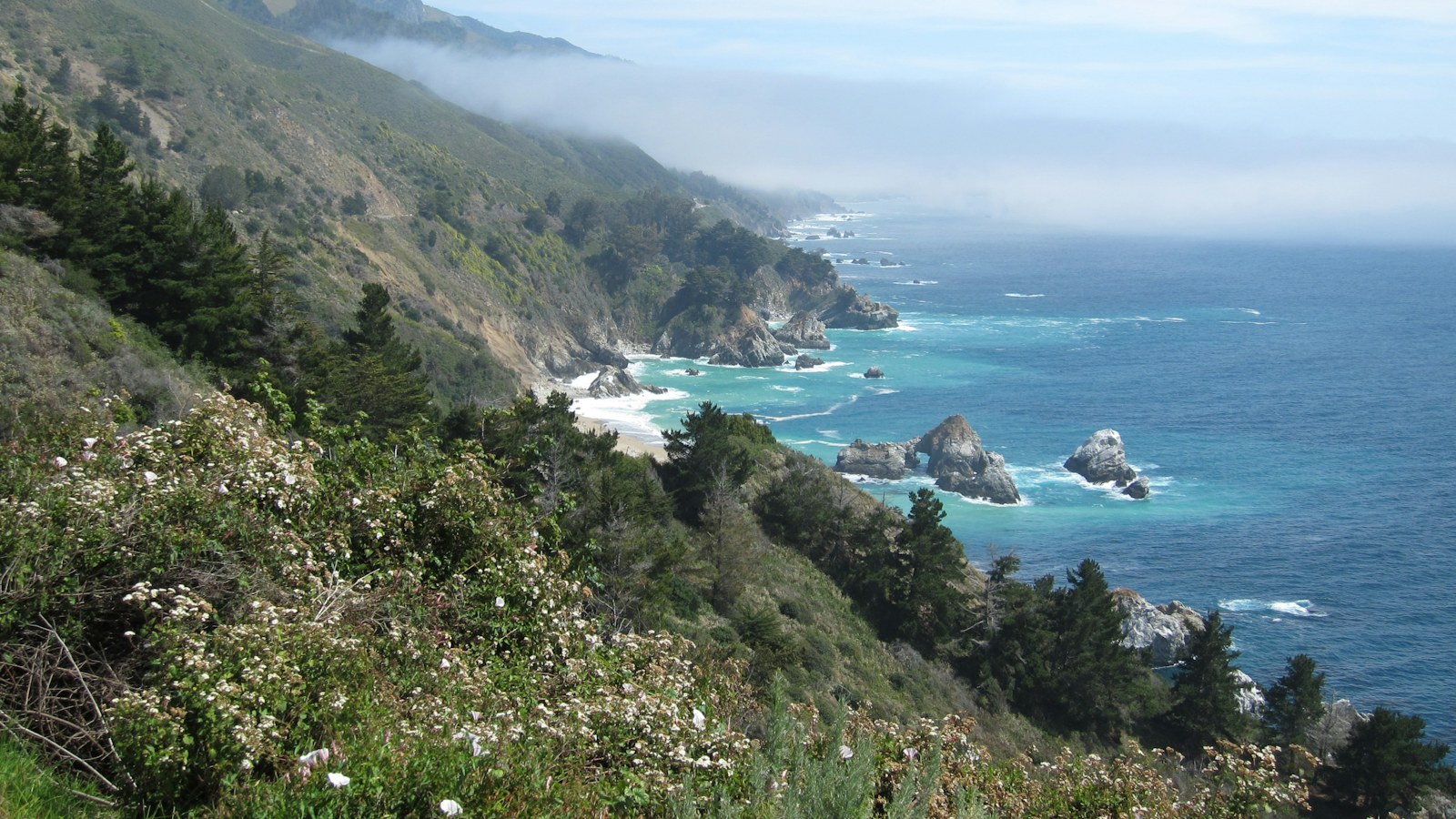
Choose stops that fit your route
For a rental, confirm bed arrangements, kitchen equipment, laundry, parking, and safety details such as stairs, balconies, and pool access. Ask how close groceries and urgent services are. Review cancellation terms and the full price before booking.
A relaxed way to explore
A family road trip works best when each day has one main activity and time to unwind. Leave room for changing weather, choose lodging that supports easy meals, and let the coastline set a slower pace.
Pick a coastal town that matches your arrival point and interests, then decide whether a second base farther north or south is worth the move. Check actual driving times and road conditions. A scenic pullout may be perfect for a short pause but not a substitute for an activity planned around children’s needs. Look for accessible walks, gardens, aquariums, or small museums, and confirm current hours.
Keep outdoor days safe
Beach conditions vary from one location to another. Follow local warnings, stay away from unstable cliffs, and do not assume every beach is safe for swimming. Bring layers because coastal weather can be cool even on a sunny day. Pack water and snacks for the car and plan rest stops between longer drives.
Choose a base along the Central Coast
California’s Central Coast is a long stretch of communities, beaches, and inland routes, so your lodging choice determines how much time the family spends driving. San Luis Obispo can be a practical base for services and day trips; Pismo Beach offers easy access to the coast; Morro Bay provides a harbor setting; and Cambria can suit a slower northern stay. Decide which experiences matter most and avoid treating every town as a short stop.
Check the distance between the accommodation and the beach, grocery store, and restaurants. A coastal address can still require a drive or a steep walk to the water. Confirm parking, kitchen access, laundry, sleeping arrangements, and whether the property has safe outdoor space for children. For a longer trip, a washer and an easy meal setup can be more valuable than extra decorative amenities.
Plan shorter driving days for families
A family itinerary works better with one main destination per day and time for snacks, restrooms, and unplanned stops. Group nearby beaches, parks, or town visits rather than crossing the region repeatedly. If you have young children, check facilities and shaded areas before setting out. Leave time for the return drive, especially when traffic or sunset affects the route.
Build a flexible plan around the ages and energy of the group. A beach morning can pair with a quiet afternoon at the rental, while a longer scenic drive may need a break at a playground or picnic area. Keep a low-effort activity in reserve in case weather or fatigue changes the schedule.
Choose beaches and outdoor activities safely
Coastal conditions vary by beach and day. Check local signage, lifeguard information, tides, and surf before swimming, and stay within the group’s ability. Some beaches are better for walking or tide pools than for swimming. Bring layers because ocean breezes can make the shore cool even when inland temperatures are warm.
For tide pools and wildlife areas, follow posted rules and avoid disturbing animals or removing natural materials. Use sun protection and carry water, especially for children. If a beach is crowded or conditions are rough, choose a different park or coastal walk. Safety and comfort matter more than reaching one specific photo spot.
Make meals and stops family-friendly
Vacation rentals can make family meals easier, especially for breakfasts and snacks before an outing. Check kitchen equipment and grocery access before arrival. If you plan to eat out, choose restaurants close to your day’s activity and check children’s menus, seating, and reservation policies. A casual lunch can be more convenient than a long dinner after a full day outdoors.
Pack a small day bag with water, sunscreen, extra clothing, and snacks. Keep a backup indoor option for fog or rain, such as a museum, aquarium, or library, and confirm current hours before driving there. This reduces the stress of changing plans when a beach day does not work out.
Travel between towns without overloading the trip
Highway routes connect many Central Coast towns, but traffic, roadworks, and scenic stops affect journey time. Check current road information and avoid planning a long drive immediately before a timed tour. If your family is splitting a trip between two bases, choose a transfer day with a simple stop rather than a packed schedule.
Before traveling, save the accommodation address and check-in instructions, and confirm whether early arrival or luggage drop-off is possible. If you are visiting a popular attraction, review parking and ticket details. Keep a comfortable return time so children are not navigating unfamiliar roads late at night.
Book a family rental with clarity
Confirm the number of beds, bedroom layout, bathroom count, stairs, safety features, and maximum occupancy. Ask whether a crib or high chair is available and whether there are additional fees. Check the property’s house rules about noise, outdoor spaces, and parking. Read reviews for cleanliness and access, but verify details directly with the host.
Compare the full cost, including cleaning charges, local taxes, deposits, and cancellation terms. A rental with a kitchen and laundry may help families reduce food and packing stress. Use our family-trip planning guide and rental checklist when evaluating options.
Common questions about a family Central Coast trip
How many days do families need? Three or four days allow a relaxed introduction to one or two towns; longer stays make room for more beaches and breaks. Should you change accommodation? One base is simpler for young children, while two bases can reduce long drives on an extended trip. Is the coast warm enough for swimming? Conditions vary, so check local ocean information and pack layers.
What should you book in advance? Accommodation and any limited-capacity family activity for fixed dates. How can you keep the trip flexible? Plan one main activity per day and keep a quiet afternoon available. Use our itinerary guide to create a manageable schedule.
A family-friendly day rhythm
Start each day with one main outing, such as a beach morning or a short coastal walk, and leave the afternoon flexible for rest. For children, identify restroom access, shade, parking, and nearby food before leaving. A short picnic stop can be easier than searching for a restaurant when everyone is tired. Check the drive back to your rental and allow enough time for traffic.
If the beach is too windy or the water conditions are not suitable, swap in a museum, aquarium, or town visit. Pack a change of clothes, water, sunscreen, and simple snacks. Keep the schedule adjustable so a nap, longer lunch, or unexpected stop does not make the rest of the day stressful.
Make the rental part of the family plan
Set up the accommodation on arrival so essentials are easy to find: snacks, water, sunscreen, towels, and any child-specific items. Review the property’s safety features and house rules with the group, including stairs, balconies, fireplaces, and pool access if present. Identify the nearest grocery store and a simple dinner option before everyone is tired from travel.
If the property is farther from town, plan one grocery stop and avoid assuming that a late-night store will be open. Ask the host about waste disposal, parking, and quiet hours. A calm arrival and an organized first evening can make the next morning much easier, especially with young children.